


x
迅速な制作と多彩な仕上げオプションを備えた、ミュージアムクオリティのジークレーまたはキャンバスプリント。 ( 手描きの絵画を購入 画像を購入)





























作品のオリジナル比率に合わせた、当店の規定サイズからお選びください。

特定のフレームやスペースに合わせて、ご自身でサイズを指定することも可能です。選択されたサイズが元の画像の比率と一致しない場合、作品をトリミングするか、鏡面反射または単色での塗りつぶしによって画像を拡張いたします。制作を開始する前に、ご確認用のデジタルモックアップをお送りいたします。
画面上のプレビューには、実際のトリミングや拡張は反映されませんのでご注意ください。最終的な構図を正確に確認できるのは、モックアップのみとなります。
カスタムサイズも承っておりますが、元の比率を維持するためには、あらかじめ用意されたリストからサイズを選択することをお勧めいたします。

The Persian
複製画のサイズ
Georges Braque's “The Persian” is more than just a depiction of flowers; it’s a pivotal moment in the evolution of modern art, a tangible expression of the anxieties and explorations that defined the early years of Cubism. Painted around 1910-1913, during his intensely collaborative period with Pablo Picasso, this still life reveals Braque's meticulous approach to dissecting form and presenting multiple perspectives simultaneously. The painting’s subject – a collection of vases brimming with vibrant yellow flowers alongside greenery – is rendered not as a straightforward representation but as an intellectual puzzle, inviting the viewer to actively participate in its reconstruction.
Braque’s technique in “The Persian” is remarkably precise, reflecting his background as a house painter and decorator. He employed oil paints with a controlled layering method, building up the image through thin glazes that create an almost velvety texture. This meticulousness is crucial to understanding the painting's impact; it wasn't simply about applying color but about manipulating light and shadow to suggest volume and form. The artist’s use of impasto – thick application of paint – particularly in the vases, adds a tactile quality, grounding the abstract explorations within a tangible reality. The subtle variations in tone and texture contribute significantly to the painting’s depth and complexity, demonstrating Braque's mastery of traditional oil painting techniques while simultaneously pushing them towards new expressive boundaries.
“The Persian” emerged during a period of profound artistic upheaval. Braque, along with Picasso, was at the forefront of a movement that challenged centuries of representational tradition. Influenced by Paul Cézanne’s emphasis on geometric forms and his exploration of multiple viewpoints, Braque began to break down objects into their constituent parts, presenting them from various angles within a single composition. This approach, known as Cubism, aimed to capture not just the appearance of an object but its underlying structure – its essence. The painting's fragmented planes and overlapping perspectives directly reflect this revolutionary aesthetic, foreshadowing the radical changes that would transform the art world.
While seemingly a simple still life, “The Persian” carries a subtle symbolic weight. The abundance of flowers – particularly the dominant yellow hue – often associated with joy, optimism, and enlightenment, suggests a desire for clarity and understanding amidst the intellectual turmoil of the time. The deliberate distortion of form and space evokes a sense of unease and disorientation, mirroring the anxieties of a rapidly changing world. Ultimately, “The Persian” is a powerful testament to Braque’s artistic vision – a bold experiment in perception that continues to resonate with viewers today, inviting us to contemplate the nature of reality itself.

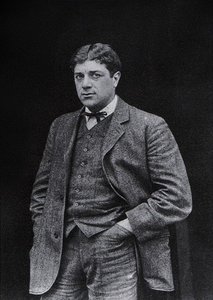
1882 - 1963 , フランス

Explore the revolutionary evolution of Cubist still life. From deconstructed forms to the mastery of Braque and Picasso, discover how this movement redefined modern art through an expert historical lens.

Explore the revolutionary world of Cubism. Discover how Pablo Picasso and Georges Braque dismantled perspective to redefine modern art through geometric innovation and analytical mastery. An essential guide for art students, collectors, and history enthusiasts.


最新の美術ニュース、限定オファー、そしてインテリアのアイデアをいち早くお届けします。
お客様のプロジェクトについてお聞かせください。当社の美術専門家が、お客様に合わせた3つのパーソナライズされた芸術提案をご提供いたします。
あなたにぴったりの3作品を無料で厳選いたします


 プレビュー
プレビュー
 シェアする
シェアする シェアする
シェアする
 詳細を見る
詳細を見る

 ダウンロード
 似ている作品
 X線調査
X線調査 スライドショー

 詳細を見る
詳細を見る









 ガラスオプションは、110cm未満のサイズでのみご利用いただけます。


