


x





























作品のオリジナル比率に合わせた、当店の規定サイズからお選びください。

特定のフレームやスペースに合わせて、ご希望のサイズをご入力いただけます。選択されたサイズが元の画像の比率と異なる場合、アートワークをトリミングするか、手描きで要素を追加して絵画を拡張いたします。デジタルモックアップ を制作し、制作開始前にご確認(承認)をいただきます。
画面上のプレビューは、実際のトリミングや拡張を正確に反映しているものではありません。最終的な構図は、モックアップによってのみ正確にご確認いただけます。
カスタムサイズもご利用いただけますが、元の比率を維持するためには、あらかじめ用意されたリストからサイズを選択することをお勧めいたします。

untitled (3777)
複製画のサイズ
Georges Braque’s “Untitled (3777)” presents a deceptively simple scene – a modestly furnished room bathed in the stark contrast of black and white. Yet, within this apparent stillness lies a complex interplay of form, perspective, and human presence, hallmarks of the artist's pivotal role in developing Cubism alongside Pablo Picasso. The painting isn’t merely a depiction of an interior; it’s a carefully constructed puzzle designed to challenge our perception of space and reality, inviting us to actively engage with its fragmented composition.
The central focus is undeniably the chair, positioned deliberately near the viewer's eye line, anchoring the scene. However, Braque doesn’t offer a straightforward representation. Instead, he deconstructs the object into geometric planes – sharp angles and overlapping forms that suggest multiple viewpoints simultaneously. This technique, characteristic of Cubism, dismantles traditional notions of depth and perspective, forcing us to reconsider how we see the world. The two figures within the room—a man and a woman—are similarly rendered with an emphasis on their constituent parts, their bodies fragmented and reassembled into abstract shapes. They are not presented as unified individuals but rather as elements contributing to the overall spatial arrangement of the scene.
Created around 1927, “Untitled (3777)” sits firmly within a transitional period in Braque’s artistic development. It showcases elements of his earlier work with the Fauves – particularly the bold use of color and expressive brushstrokes—while simultaneously foreshadowing the more rigorous geometric explorations that would define Cubism. The subdued palette, dominated by grays and blacks, creates an atmosphere of quiet contemplation, a deliberate shift from the vibrant hues of his Fauvist phase. The meticulous attention to detail in rendering the furniture – the texture of the couch, the sheen of the clock – reveals Braque’s continued mastery of technique, even as he pushes against established artistic conventions.
Notably, the inclusion of everyday objects—a dining table, a book, a vase—elevates the scene beyond mere architectural study. These items become symbols of domesticity and routine, subtly hinting at the lives of those within the room. The clock, in particular, introduces an element of temporal awareness, suggesting that time itself is being fragmented and reconfigured by Braque’s artistic vision.
While seemingly objective in its monochrome presentation, “Untitled (3777)” possesses a subtle emotional depth. The arrangement of the figures and objects creates a sense of contained tension—a quiet stillness punctuated by the implied presence of human interaction. The fragmented forms can be interpreted as representing the complexities of modern life, where individuals are often isolated within their own thoughts and experiences. The painting’s ambiguity invites viewers to project their own interpretations onto the scene, fostering a personal connection with the artwork.
Braque's exploration of geometric abstraction in this piece anticipates the broader artistic movements of the 20th century, solidifying his position as a key innovator in modern art. Reproductions of “Untitled (3777)” offer a unique opportunity to experience firsthand the intellectual and aesthetic rigor that defined Braque’s groundbreaking work – a testament to the power of fragmentation and the enduring appeal of a meticulously constructed visual puzzle.

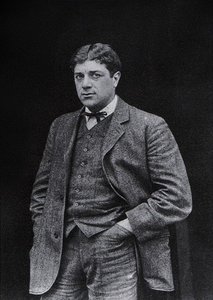
1882 - 1963 , フランス

Explore the revolutionary world of Cubism. Discover how Pablo Picasso and Georges Braque dismantled perspective to redefine modern art through geometric innovation and analytical mastery. An essential guide for art students, collectors, and history enthusiasts.

Explore the revolutionary world of Cubism. Discover how masters Pablo Picasso and Georges Braque dismantled reality through geometric abstraction to redefine modern art history.

Master the complexities of Cubism with our expert guide. Explore how Picasso and Braque revolutionized modern art through fragmentation, multiple perspectives, and geometric innovation. Perfect for art students and collectors seeking deep historical insight.

Explore the revolutionary world of Cubism. From Picasso's analytical deconstruction to Braque's geometric forms, master the history of fragmentation and modern art through this expert guide for students and collectors.

Master the complexities of Analytical Cubism with our expert guide. Explore how Picasso and Braque revolutionized art through fragmented perspectives, geometric deconstruction, and simultaneous viewpoints. A definitive resource for art students and collectors seeking deep historical insight.


最新の美術ニュース、限定オファー、そしてインテリアのアイデアをいち早くお届けします。
お客様のプロジェクトについてお聞かせください。当社の美術専門家が、お客様に合わせた3つのパーソナライズされた芸術提案をご提供いたします。
あなたにぴったりの3作品を無料で厳選いたします


 プレビュー
プレビュー
 プリントを購入
 シェアする
シェアする シェアする
シェアする
 詳細を見る
詳細を見る

 ダウンロード
 似ている作品
 X線調査
X線調査 スライドショー
 詳細を見る
詳細を見る









 ガラスオプションは、110cm未満のサイズでのみご利用いただけます。


