


x
オンラインプレビューをはるかに凌ぐ、高解像度で鮮明なデジタル画像をご購入いただけます。
各ファイルは、社内の専門家が高度なツールと熟練した手作業によるレタッチを用いて、細心の注意を払って準備されています。すべての画像において、卓越した鮮明度、正確な色彩再現性、そして繊細なディテールを保証いたします。
最終ファイルは、プロフェッショナルな編集・印刷環境ですぐにご利用いただけるよう最適化された状態で、72時間以内にメールにてお届けいたします。これは、一流のデザインスタジオ、出版社、ギャラリーから信頼されているものと同等の品質です。
Most-Famous-Paintings.com を選ぶことは、単に画像を手に入れることではありません。それは、プロの手によって精密に仕上げられ、満足保証が付いた高品質なデジタルアートワークを受け取ることを意味します。ご注文いただいた際に自動的に付随する内容は、以下の通りです:

ご注文から72時間以内に、高解像度のデジタル画像ファイルがメールでお手元に届きます。すぐにそのままご利用いただけます。

お客様の作品は、高度なAIツールと専門家による手作業の編集を組み合わせてプロフェッショナルに最適化されており、細部のディテール、鮮明さ、そして正確な色再現性を最大限に引き出しています。

ファイルを誤って削除したり、紛失してしまったりしましたか?ご安心ください。いつでも無料で再送いたします。

関税や手数料、配送料を気にすることなく、お気に入りのアートワークをすぐにお楽しみいただけます。デジタルダウンロードは常に免税です。

プロ仕様のツールとカラーマネジメント技術を用いることで、デジタル画像が元の色を最大限に忠実に再現することを保証いたします。

ご購入いただいたデジタル画像にご満足いただけない場合は、60日以内であれば、修正または100%の返金(理由を問う必要はありません)をさせていただきます。

ご満足いただけない場合は、デジタルファイルを受け取ってから60日以内であれば、理由を問わず全額返金いたします。

3枚購入で10%OFF - 5枚購入で15%OFF - 10枚以上購入で20%OFF。クリエイティブなプロジェクト、ギャラリー、エージェンシーに最適です。
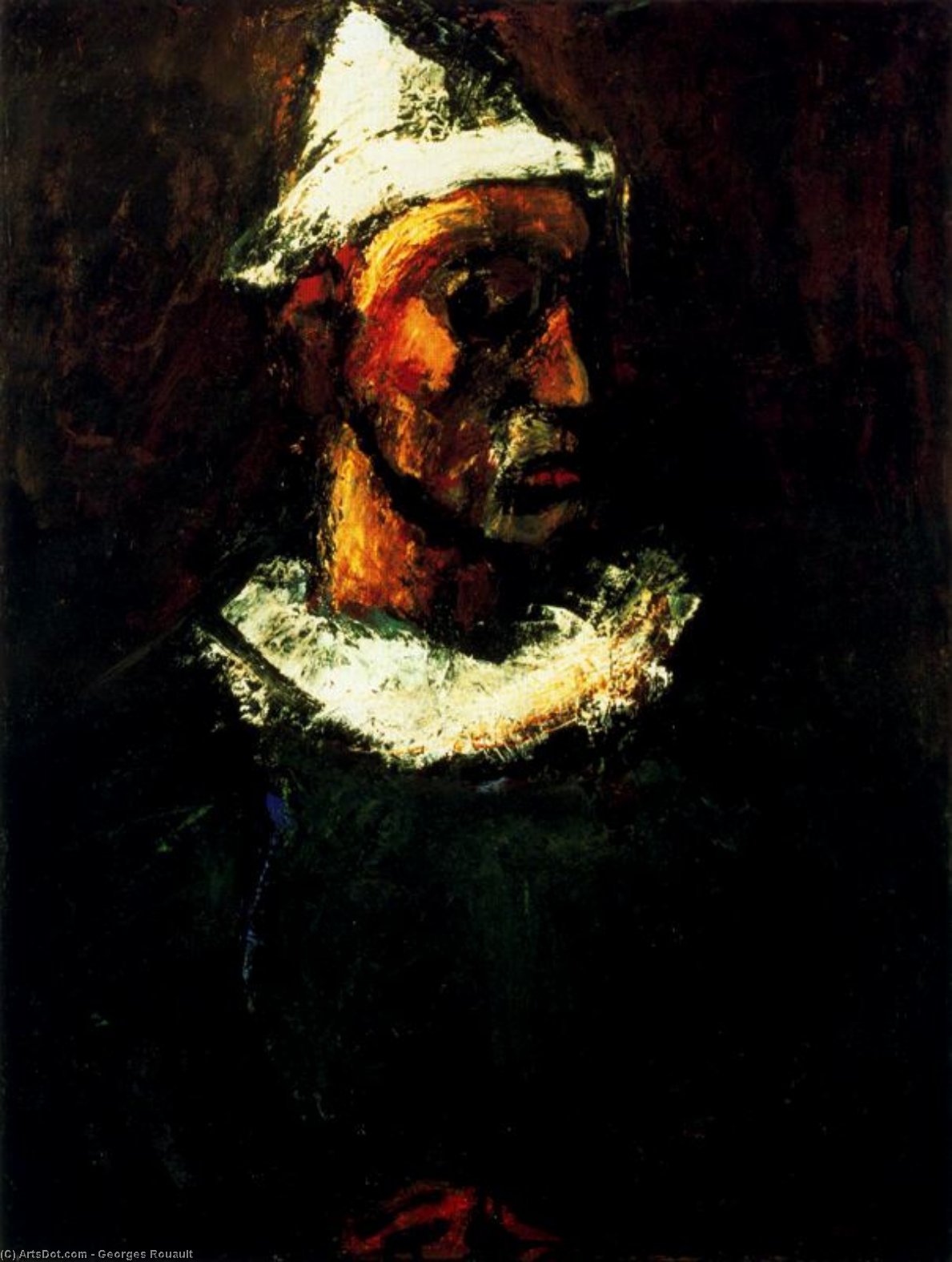
Georges Rouault’s “Tragical Landscape” is not merely a depiction of a scene; it's an immersion in profound sorrow and contemplation, a testament to the artist’s deeply rooted empathy for human suffering. Painted around 1936, this work exemplifies Rouault’s distinctive style – a potent blend of Fauvist color theory and Expressionist emotional intensity – offering a glimpse into the soul of a man wrestling with weighty themes. The painting immediately commands attention through its bold, almost jarring, palette: dark, brooding backgrounds punctuated by flashes of red, suggesting both danger and perhaps a desperate yearning for light or redemption. This deliberate contrast is characteristic of Rouault’s approach, designed to evoke a visceral response in the viewer rather than simply offering a realistic representation.
At its heart, the painting centers on a solitary figure – a man wearing a white hat or head covering – positioned within this turbulent landscape. The figure's downturned mouth and thoughtful gaze speak volumes of quiet despair, a sense of isolation amplified by the vastness and darkness surrounding them. Rouault’s masterful use of loose brushstrokes contributes significantly to the painting’s emotional impact; they aren’t meticulously rendered details but rather expressive marks that convey movement, feeling, and an underlying current of unease. The ambiguity of the landscape itself – a metaphorical “tragical landscape” rather than a literal one – adds another layer of interpretation. It could represent the internal turmoil of the individual, or perhaps a broader commentary on human vulnerability and loss.
Understanding Georges Rouault’s artistic process is key to appreciating “Tragical Landscape.” His early apprenticeship as a glass painter profoundly shaped his style. As detailed in numerous sources, including the Metropolitan Museum of Art's collection notes, this experience instilled within him a fascination with luminous color contained within dark outlines – a technique reminiscent of stained glass. This influence manifests powerfully here; the heavy black contours framing the vibrant color fields create a dramatic tension, drawing the eye to the central figure while simultaneously emphasizing the surrounding darkness. It’s a deliberate strategy that echoes medieval artistry and adds a layer of spiritual depth to the work.
The use of red, particularly in the upper left corner, is not accidental. Rouault frequently employed this color to represent passion, sacrifice, or even blood – potent symbols within his deeply Catholic worldview. The subtle reflection hinted at by the red could be interpreted as a glimmer of hope amidst the gloom, or perhaps simply the harsh glare of an unforgiving light.
"Tragical Landscape" was created during a period of significant artistic experimentation in France. Rouault’s work aligns with both Fauvism – known for its unrestrained use of color – and Expressionism, which prioritized emotional expression over objective representation. While he initially embraced the boldness of the Fauves, his later works demonstrate a more profound engagement with the psychological intensity championed by Expressionists like Van Gogh. As documented in Wikipedia, Rouault’s childhood experiences, including witnessing the bombardment of Paris during the Commune, undoubtedly informed his artistic vision and fueled his empathy for the marginalized.
The painting's creation coincided with Rouault's deepening spiritual convictions, further enriching its symbolic resonance. His exploration of themes related to suffering, faith, and human nature cemented his legacy as one of the 20th century’s most poignant and emotionally resonant artists. The Robert Lehman Collection acquisition in 1975 ensures this powerful work continues to captivate audiences today.
"Tragical Landscape" is more than just a beautiful painting; it's an invitation to contemplate the complexities of human emotion and experience. Rouault’s masterful use of color, composition, and brushwork creates a truly immersive work that resonates with viewers on a deeply personal level. Whether you are an art collector seeking a significant piece of 20th-century history or an interior designer looking for a statement artwork to evoke contemplation and emotion, this painting offers a unique opportunity to own a piece of artistic genius.


1871 - 1958 , フランス


最新の美術ニュース、限定オファー、そしてインテリアのアイデアをいち早くお届けします。
お客様のプロジェクトについてお聞かせください。当社の美術専門家が、お客様に合わせた3つのパーソナライズされた芸術提案をご提供いたします。
あなたにぴったりの3作品を無料で厳選いたします


 プレビュー
プレビュー
 プリントを購入
 シェアする
シェアする シェアする
シェアする
 詳細を見る
詳細を見る

 ダウンロード
 似ている作品
 X線調査
X線調査 スライドショー

 詳細を見る
詳細を見る


![Study For A Portrait [looking Left], — フランシス・ベーコン, Expressionistic](/media/artworks/images/thumbnails/55/93/559376aaba45440ca6d145436a73df64.jpg)


