x
 Oil On CanvasWallArtNorthern Renaissance
 1515Renaissance
 141.0 x 100.0 cm
 国立博物館群




























作品のオリジナル比率に合わせた、当店の規定サイズからお選びください。

特定のフレームやスペースに合わせて、ご希望のサイズをご入力いただけます。選択されたサイズが元の画像の比率と異なる場合、アートワークをトリミングするか、手描きで要素を追加して絵画を拡張いたします。デジタルモックアップ を制作し、制作開始前にご確認(承認)をいただきます。
画面上のプレビューは、実際のトリミングや拡張を正確に反映しているものではありません。最終的な構図は、モックアップによってのみ正確にご確認いただけます。
カスタムサイズもご利用いただけますが、元の比率を維持するためには、あらかじめ用意されたリストからサイズを選択することをお勧めいたします。

Crucifixion
複製画のサイズ
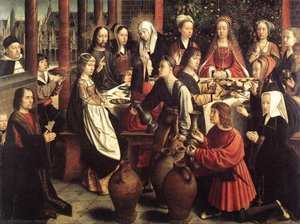
Gerard David's "Crucifixion," completed in 1515, is more than just a depiction of a biblical event; it’s an immersive experience of sorrow and spiritual contemplation. This oil on panel painting, measuring 141 x 100 cm, transcends the limitations of its time to offer a remarkably poignant portrayal of Christ's suffering, firmly rooted in the traditions of Northern Renaissance art. Housed within the Staatliche Museen in Berlin, this work immediately captivates with its masterful use of light and shadow – a technique known as chiaroscuro – that dramatically shapes the scene and evokes a powerful emotional response. David’s skill lies not just in his technical prowess but in his ability to imbue the figures with an almost palpable sense of grief and humanity, making this iconic image eternally relevant.
Created during a period of intense artistic innovation, “Crucifixion” exemplifies the hallmarks of Flemish painting. David’s meticulous attention to detail is immediately apparent in the rendering of each figure – from the delicate folds of the mourners' robes to the expressive anguish etched on Christ’s face. The figures are not idealized; they possess a startling realism that reflects the era’s fascination with observation and human anatomy. The composition itself, while classical in its arrangement—Jesus at the center surrounded by grieving figures—is infused with the Northern Renaissance preference for emotional intensity and psychological depth. This is further evidenced by the play of light and shadow, reminiscent of Jan Van Eyck's work, which creates a sense of volume and draws the viewer’s eye directly to the central figure.
The painting is rich with symbolic meaning, reflecting the profound religious beliefs of the time. The cross itself, naturally, represents Christ's sacrifice and redemption – a cornerstone of Christian theology. Beyond this core symbolism, David incorporates subtle visual cues that deepen the narrative. The women surrounding the cross are often interpreted as representing Mary Magdalene and other female followers, their grief mirroring the universal sorrow associated with loss and suffering. Even the landscape—rolling hills and a distant town—contributes to the overall mood, grounding the scene in a specific geographical context while simultaneously elevating it to a realm of spiritual significance. The use of light, particularly its directional quality, is not merely aesthetic; it’s seen as a symbol of divine enlightenment, echoing interpretations found in works like Alonso Cano's "Cristo en El Limbo."
Gerard David (1450-1523), born in Oudewater, Netherlands, was a pivotal figure in the development of Northern Renaissance art. His career spanned several decades and included leadership roles within workshops in Antwerp and Bruges – vibrant centers of artistic production during his time. Though his reputation waned somewhat in the 17th century, he was later rediscovered by 19th-century art historians who recognized his unique contribution to the movement. “Crucifixion” stands as a testament to David’s enduring legacy, showcasing not only his technical skill but also his profound understanding of human emotion and religious symbolism. It remains a powerful reminder of the timeless themes explored within this iconic work.


1450 - 1523 , オランダ

Explore the profound history and technical brilliance of oil on panel painting. From Renaissance masters to modern techniques, discover why this rigid support offers unparalleled precision and permanence for fine art lovers and collectors.

Explore the profound mastery of Northern Renaissance art. Discover the technical brilliance of Flemish oil painting, the intricate symbolism of Bosch and Bruegel, and the revolutionary realism that redefined European art history through an expert historical lens.


最新の美術ニュース、限定オファー、そしてインテリアのアイデアをいち早くお届けします。
お客様のプロジェクトについてお聞かせください。当社の美術専門家が、お客様に合わせた3つのパーソナライズされた芸術提案をご提供いたします。
あなたにぴったりの3作品を無料で厳選いたします


 プレビュー
プレビュー
 プリントを購入
 シェアする
シェアする シェアする
シェアする
 詳細を見る
詳細を見る

 ダウンロード
 似ている作品
 X線調査
X線調査 スライドショー
 詳細を見る
詳細を見る









 ガラスオプションは、110cm未満のサイズでのみご利用いただけます。