x


 Oil On CanvasWallArtContemporary Realism
 2000Modern
 51.0 x 46.0 cm
オンラインプレビューをはるかに凌ぐ、高解像度で鮮明なデジタル画像をご購入いただけます。
各ファイルは、社内の専門家が高度なツールと熟練した手作業によるレタッチを用いて、細心の注意を払って準備されています。すべての画像において、卓越した鮮明度、正確な色彩再現性、そして繊細なディテールを保証いたします。
最終ファイルは、プロフェッショナルな編集・印刷環境ですぐにご利用いただけるよう最適化された状態で、72時間以内にメールにてお届けいたします。これは、一流のデザインスタジオ、出版社、ギャラリーから信頼されているものと同等の品質です。
Most-Famous-Paintings.com を選ぶことは、単に画像を手に入れることではありません。それは、プロの手によって精密に仕上げられ、満足保証が付いた高品質なデジタルアートワークを受け取ることを意味します。ご注文いただいた際に自動的に付随する内容は、以下の通りです:

ご注文から72時間以内に、高解像度のデジタル画像ファイルがメールでお手元に届きます。すぐにそのままご利用いただけます。

お客様の作品は、高度なAIツールと専門家による手作業の編集を組み合わせてプロフェッショナルに最適化されており、細部のディテール、鮮明さ、そして正確な色再現性を最大限に引き出しています。

ファイルを誤って削除したり、紛失してしまったりしましたか?ご安心ください。いつでも無料で再送いたします。

関税や手数料、配送料を気にすることなく、お気に入りのアートワークをすぐにお楽しみいただけます。デジタルダウンロードは常に免税です。

プロ仕様のツールとカラーマネジメント技術を用いることで、デジタル画像が元の色を最大限に忠実に再現することを保証いたします。

ご購入いただいたデジタル画像にご満足いただけない場合は、60日以内であれば、修正または100%の返金(理由を問う必要はありません)をさせていただきます。

ご満足いただけない場合は、デジタルファイルを受け取ってから60日以内であれば、理由を問わず全額返金いたします。

3枚購入で10%OFF - 5枚購入で15%OFF - 10枚以上購入で20%OFF。クリエイティブなプロジェクト、ギャラリー、エージェンシーに最適です。
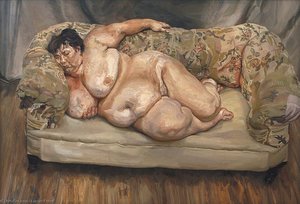
Gerhard Richter’s 2000 painting, “Moritz,” isn’t a portrait in the traditional sense. It’s an invitation to contemplate the elusive nature of memory and identity, rendered through Richter’s signature blend of photographic realism and abstract expressionism. The image depicts a young child, partially obscured by a deliberate haze of paint, seated within a high chair – a scene both familiar and profoundly unsettling. The blurred features, the soft focus, and the muted palette evoke a sense of detachment, as if we are observing a fleeting moment captured from a dream or a faded photograph. This isn’t an attempt to depict a specific child; rather, it's a distillation of childhood itself – its vulnerability, its inherent mystery, and its inevitable passage into the unknown.
Richter’s technique is central to the work’s power. He employs a layering process, building up thin washes of oil paint that are then repeatedly scraped, smudged, and reworked. This creates a surface texture that is both tactile and ethereal, mirroring the way memories can feel – simultaneously vivid and fragmented. The deliberate blurring isn't simply an aesthetic choice; it’s a key element in Richter’s exploration of representation itself. He questions the very act of seeing and recording, suggesting that any attempt to capture reality inevitably involves distortion and loss.
Understanding Gerhard Richter requires acknowledging his deeply personal and historically-charged artistic journey. Born in Dresden in 1932, Richter's childhood was profoundly shaped by the upheavals of post-war Germany – displacement, political uncertainty, and the lingering trauma of Nazi persecution. His father, a schoolteacher, navigated the complexities of life under authoritarian rule, while his mother fostered a love for literature and music within their family. This duality—a pragmatic acceptance of circumstance alongside a yearning for cultural expression—became a recurring theme in Richter’s work.
The late 1990s and early 2000s, the period encompassing “Moritz,” marked a shift in Richter's artistic focus. He increasingly explored photographic sources – not as direct copies, but as starting points for his own abstract compositions. This approach is evident in "Moritz," which can be seen as a meditation on the process of translation—the transformation of a visual image into an entirely new work of art. The photograph itself, likely a source for this piece, becomes merely a catalyst, prompting Richter to engage with the underlying themes and emotions rather than replicating the original scene.
The high chair itself is a potent symbol. It represents childhood, nourishment, and the transition from dependence to independence. However, in “Moritz,” this familiar image is imbued with ambiguity. The child's face is obscured, suggesting a loss of innocence or a detachment from experience. The bottle present in the background further reinforces this sense of vulnerability – a symbol of sustenance that may not be enough to satisfy the child’s needs.
The overall mood of the painting is melancholic and contemplative. It doesn't offer easy answers or resolutions; instead, it invites viewers to confront their own memories and anxieties about the passage of time. Richter’s masterful use of color and texture creates a visual experience that is both beautiful and unsettling, prompting us to consider the fragility of human existence and the enduring power of the past.
Most-Famous-Paintings offers meticulously crafted hand-painted reproductions of Gerhard Richter’s “Moritz,” allowing you to bring this iconic work into your home or office. Our skilled artists replicate Richter's unique technique with exceptional precision, capturing the subtle nuances of color, texture, and blurring that define the painting. Available in a range of sizes, our reproductions are printed on archival-quality canvas using vibrant pigments, ensuring long-lasting beauty and authenticity.
Whether you’re an art enthusiast, a collector, or simply seeking to add a touch of intellectual depth to your décor, “Moritz” is a compelling choice. It's more than just a painting; it’s a meditation on memory, identity, and the complexities of human experience – a timeless masterpiece brought to life through Most-Famous-Paintings’s dedication to artistic excellence.

1932 - , ドイツ


最新の美術ニュース、限定オファー、そしてインテリアのアイデアをいち早くお届けします。
お客様のプロジェクトについてお聞かせください。当社の美術専門家が、お客様に合わせた3つのパーソナライズされた芸術提案をご提供いたします。
あなたにぴったりの3作品を無料で厳選いたします


 Preview
 プリントを購入
 シェアする
シェアする シェアする
シェアする
 詳細を見る
詳細を見る

 ダウンロード
 似ている作品
 X線調査
X線調査 スライドショー
 詳細を見る
詳細を見る