


x
迅速な制作と多彩な仕上げオプションを備えた、ミュージアムクオリティのジークレーまたはキャンバスプリント。 ( 手描きの絵画を購入 画像を購入)





























作品のオリジナル比率に合わせた、当店の規定サイズからお選びください。

特定のフレームやスペースに合わせて、ご自身でサイズを指定することも可能です。選択されたサイズが元の画像の比率と一致しない場合、作品をトリミングするか、鏡面反射または単色での塗りつぶしによって画像を拡張いたします。制作を開始する前に、ご確認用のデジタルモックアップをお送りいたします。
画面上のプレビューには、実際のトリミングや拡張は反映されませんのでご注意ください。最終的な構図を正確に確認できるのは、モックアップのみとなります。
カスタムサイズも承っておりますが、元の比率を維持するためには、あらかじめ用意されたリストからサイズを選択することをお勧めいたします。

Self Portrait
複製画のサイズ
Giorgio de Chirico's 1960 “Self Portrait” is not merely a depiction of an aging artist; it’s a profound meditation on the anxieties and alienation that defined his entire oeuvre. The painting, executed in oil on canvas with a meticulous attention to Neo-Baroque detail, immediately confronts the viewer with a figure – a man distinguished by stark white hair, a vibrant red shirt, and a somber black vest – whose gaze is both direct and unsettlingly distant. This isn’t a portrait of vanity; it's an embodiment of existential unease, rendered with the precision and psychological depth that cemented de Chirico’s place as a pivotal figure in the development of Surrealism.
Born in Volos, Greece, to Italian parents, Giorgio de Chirico's artistic trajectory was shaped by a complex interplay of influences. His early training in Athens exposed him to traditional techniques, but it was his time in Munich that truly unleashed his visionary imagination. He absorbed the haunting landscapes of Arnold Böcklin and the symbolic imagery of Max Klinger, artists who explored the subconscious through meticulously crafted scenes. However, de Chirico transcended mere imitation; he synthesized these influences with a deeply philosophical outlook, informed by the writings of Nietzsche, Schopenhauer, and Weininger. This fusion resulted in a style characterized by unsettling juxtapositions, dreamlike settings, and a pervasive sense of melancholy – hallmarks of his Neo-Baroque approach.
“Self Portrait” is laden with symbolic weight, reflecting de Chirico’s preoccupation with themes of isolation, memory, and the subjective nature of reality. The dark background, devoid of any recognizable features, represents the unconscious mind – a realm where logic dissolves and anxieties take form. The man's serious expression suggests a burden of knowledge, perhaps a recognition of the futility of human endeavor. The red shirt, often associated with passion and vitality, here seems muted, hinting at a suppressed or lost desire. The overall effect is one of profound contemplation, inviting the viewer to confront their own anxieties about existence.
Painted in 1960, towards the end of his career, this self-portrait represents a culmination of de Chirico’s artistic journey. The painting emerged from a period where he was increasingly disillusioned with the burgeoning Surrealist movement, finding its interpretations too simplistic and lacking the intellectual rigor he demanded. Yet, it remains firmly rooted in the anxieties of the early 20th century – a time marked by rapid industrialization, social upheaval, and a growing sense of spiritual emptiness. De Chirico’s work serves as a poignant reminder of this era's profound psychological impact, offering a timeless exploration of the human condition.
Most-Famous-Paintings offers meticulously hand-painted reproductions of Giorgio de Chirico’s “Self Portrait,” capturing the essence of this iconic work with unparalleled fidelity. Each reproduction is created by skilled artisans, ensuring that every brushstroke and nuance of color faithfully replicates the original painting. Whether for a private collection or interior design project, this reproduction provides an authentic connection to one of the 20th century’s most significant artistic voices – a powerful statement of introspection and a testament to de Chirico's enduring legacy.

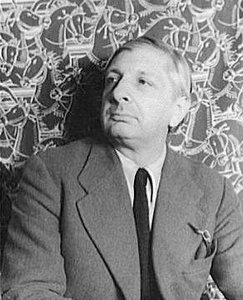
1888 - 1978 , ギリシャ

Explore the profound elegance of Baroque Classicism. Discover how 17th-century masters synthesized dramatic emotion with classical order through the lens of the Counter-Reformation and the works of legends like Carlo Maratta and Andrea Sacchi.


最新の美術ニュース、限定オファー、そしてインテリアのアイデアをいち早くお届けします。
お客様のプロジェクトについてお聞かせください。当社の美術専門家が、お客様に合わせた3つのパーソナライズされた芸術提案をご提供いたします。
あなたにぴったりの3作品を無料で厳選いたします


 プレビュー
プレビュー
 シェアする
シェアする シェアする
シェアする
 詳細を見る
詳細を見る

 ダウンロード
 似ている作品
 X線調査
X線調査 スライドショー

 詳細を見る
詳細を見る









 ガラスオプションは、110cm未満のサイズでのみご利用いただけます。


