x





























作品のオリジナル比率に合わせた、当店の規定サイズからお選びください。

特定のフレームやスペースに合わせて、ご希望のサイズをご入力いただけます。選択されたサイズが元の画像の比率と異なる場合、アートワークをトリミングするか、手描きで要素を追加して絵画を拡張いたします。デジタルモックアップ を制作し、制作開始前にご確認(承認)をいただきます。
画面上のプレビューは、実際のトリミングや拡張を正確に反映しているものではありません。最終的な構図は、モックアップによってのみ正確にご確認いただけます。
カスタムサイズもご利用いただけますが、元の比率を維持するためには、あらかじめ用意されたリストからサイズを選択することをお勧めいたします。

Birds
複製画のサイズ
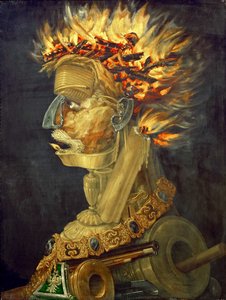
Giuseppe Arcimboldo's “Birds,” painted around 1591, isn’t merely a portrait; it’s an immersive experience. Within the confines of a single canvas, the artist constructs a vibrant tableau of nature—a solitary heron poised upon a moss-covered rock—that transcends the limitations of traditional representation. The watercolor technique, with its layered washes and subtle blurring, evokes the very essence of feathers and water, creating a tactile illusion that draws the viewer into the scene. It’s a piece that whispers of observation, patience, and a deep connection to the natural world – qualities often associated with the heron itself.
Image Credit: Web Gallery of Art
Arcimboldo’s “Birds” stands as a quintessential example of Mannerism, an artistic movement that flourished in Italy during the late 16th century. Unlike the idealized forms and balanced compositions of High Renaissance art, Mannerism embraced exaggeration, distortion, and a heightened sense of drama. Here, we see this reflected in the heron’s posture – a deliberate verticality that commands attention—and the carefully arranged elements surrounding it. The piece is deeply rooted in the Renaissance worldview, particularly its fascination with symbolism and allegory. Arcimboldo's work was commissioned by Rudolf II, Holy Roman Emperor, who was known for his patronage of the arts and his interest in collecting exotic objects and animals.
The choice of a heron itself carries significant weight within this context. Herons are frequently associated with patience, observation, and a connection to nature—qualities highly valued by Renaissance scholars and artists. Furthermore, the inclusion of elements like the rock, suggesting stability and permanence, reinforces the sense of timelessness inherent in the artwork.
Beyond its aesthetic qualities, “Birds” is a complex tapestry of symbolism. The meticulously arranged fruits, vegetables, and flowers aren’t simply decorative; they function as visual metaphors. The careful selection of each element—the muted beige background, the textured rock—contributes to a larger narrative about power, nature, and the human condition. Considering that Arcimboldo created this piece for Rudolf II, it's crucial to understand the emperor's courtly environment. Rudolf II was known for his extravagant tastes and his collection of rare objects, which served as a display of wealth and influence. The inclusion of elements like the peacock—a symbol of royalty—and the carefully constructed composition itself underscore this imperial context.
“Birds” endures not just as a technical marvel but also as a profound meditation on the relationship between humanity and nature. The soft, diffused lighting and the lack of strong perspective create an atmosphere of serenity and contemplation. The piece invites us to slow down, observe, and appreciate the beauty of the natural world—a sentiment that resonates deeply in our increasingly complex and fast-paced lives. Reproductions of this artwork offer a remarkable opportunity to bring this timeless masterpiece into your home, allowing you to experience its captivating symbolism and exquisite detail every day.
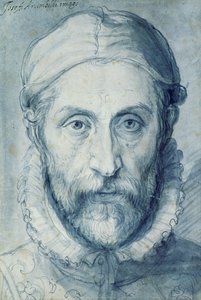
1527 - 1593 , イタリア

Explore the profound history and technical mastery of watercolor painting. From medieval manuscripts to the luminous works of John Singer Sargent, discover how artists capture light and transparency through this delicate, enduring medium.

Explore the dramatic world of Italian Baroque art. Discover how masters like Caravaggio used chiaroscuro and tenebrism to revolutionize painting through light, shadow, and profound realism. A definitive guide for history lovers and art collectors.


最新の美術ニュース、限定オファー、そしてインテリアのアイデアをいち早くお届けします。
お客様のプロジェクトについてお聞かせください。当社の美術専門家が、お客様に合わせた3つのパーソナライズされた芸術提案をご提供いたします。
あなたにぴったりの3作品を無料で厳選いたします


 プレビュー
プレビュー
 プリントを購入
 シェアする
シェアする シェアする
シェアする
 詳細を見る
詳細を見る

 ダウンロード
 似ている作品
 X線調査
X線調査 スライドショー

 詳細を見る
詳細を見る









 ガラスオプションは、110cm未満のサイズでのみご利用いただけます。