x


 Acrylic On CanvasWallArtArcimboldo Mannerism
 1572
1572 92.0 x 71.0 cm
 デンバー美術館




























作品のオリジナル比率に合わせた、当店の規定サイズからお選びください。

特定のフレームやスペースに合わせて、ご自身でサイズを指定することも可能です。選択されたサイズが元の画像の比率と一致しない場合、作品をトリミングするか、鏡面反射または単色での塗りつぶしによって画像を拡張いたします。制作を開始する前に、ご確認用のデジタルモックアップをお送りいたします。
画面上のプレビューには、実際のトリミングや拡張は反映されませんのでご注意ください。最終的な構図を正確に確認できるのは、モックアップのみとなります。
カスタムサイズも承っておりますが、元の比率を維持するためには、あらかじめ用意されたリストからサイズを選択することをお勧めいたします。

Summer
複製画のサイズ
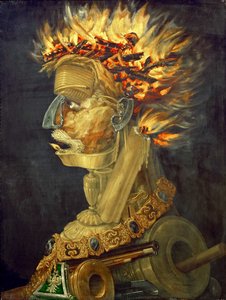
Giuseppe Arcimboldo’s “Summer,” painted in 1572, isn't merely a portrait; it’s an audacious declaration of the Renaissance spirit – a vibrant, layered allegory woven from the bounty of nature itself. Born in Milan during a period of intense intellectual and artistic ferment, Arcimboldo was a master of transforming the mundane into the magnificent, a skill honed initially through his work adorning the cathedrals of his native city. “Summer” represents a pivotal shift in his career, moving beyond traditional courtly portraits to embrace a uniquely personal and symbolic style that captivated the eye of Emperor Rudolf II, who commissioned this extraordinary piece. The painting immediately arrests the viewer with its sheer exuberance: a human face constructed entirely from an astonishing array of fruits, vegetables, flowers, and foliage – a testament to Arcimboldo’s meticulous observation and artistic ingenuity.
The composition is a carefully orchestrated dance of seasonal elements. The face itself is dominated by the warm hues of summer produce: blushing peaches form the cheeks, plump cherries adorn the lips, and a vibrant orange nose hints at the sun’s warmth. Apple slices create the eyes, conveying an expression of gentle curiosity, while grapes meticulously arranged around the mouth suggest both sweetness and abundance. Beyond the face, a cascade of greenery – leaves, vines, and blossoms – frames the figure, creating a sense of enveloping vitality. The inclusion of elements like wheat stalks and ears of corn subtly allude to harvest and prosperity, anchoring the portrait within the rhythms of the natural world. Notably, Arcimboldo’s choice isn't random; each element carries symbolic weight, reflecting Renaissance ideals of harmony between humanity and nature.
Arcimboldo’s work is steeped in symbolism, drawing heavily from the philosophical currents of the time. The use of fruits and vegetables wasn’t simply decorative; it was a deliberate strategy to communicate complex ideas about power, mortality, and the cyclical nature of life. The abundance depicted in “Summer” could be interpreted as a celebration of Rudolf II's reign – a ruler who embraced both luxury and intellectual pursuits. Furthermore, the careful arrangement of these natural components mirrors the concept of *memento mori*, reminding viewers of their own mortality while simultaneously celebrating the beauty and transience of life. The inclusion of elements like the bird perched atop the head adds another layer of interpretation, perhaps representing wisdom or divine guidance.
“Summer” is executed in oil paint on canvas, demonstrating Arcimboldo’s mastery of detail and his ability to render textures with remarkable precision. The meticulous layering of fruits and vegetables creates a sense of depth and volume, while the vibrant colors contribute to the painting's overall dynamism. The piece stands as a testament to Arcimboldo’s innovative approach to portraiture, challenging conventional notions of representation and pushing the boundaries of artistic expression. It is now housed in the Denver Art Museum, where it continues to fascinate visitors with its ingenious construction and profound symbolism. Reproductions of this iconic work offer a chance to experience the magic of Arcimboldo's vision firsthand, bringing a touch of Renaissance exuberance into any space.
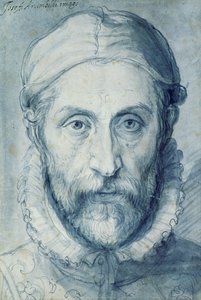
1527 - 1593 , イタリア

Explore 10 iconic portrait paintings – from Mona Lisa to Van Gogh’s self-portraits. Discover the stories behind these masterpieces, artistic techniques & find museum-quality art reproductions for your home at Most-Famous-Paintings.com.
ボッティチェリの至宝25選。ルネサンス美術を代表する「春」「ヴィーナスの誕生」など、名画の物語と芸術史を紐解きます。Most-Famous-Paintingsで高品質な複製画やインテリアアートを見つけ、お部屋に永遠の美を。今すぐコレクションをご覧ください。
ミュンヘン・アルテ・ピナコテークの至宝25選。ドゥーラー、ラファエロ、レンブラントの名画を紐解き、ルネサンス美術とバロック美術の輝きをご堪能ください。Most-Famous-Paintingsで高品質なアートプリントや複製画を見つけ、お部屋に芸術の彩りを。今すぐコレクションをご覧ください。
初期ルネサンス美術の革新を彩る10選。ボッティチェリ、ダ・ヴィンチの名作から、時代を超越する美と技術を紐解きます。壁掛けアートやインテリアにインスピレーションを。Most-Famous-Paintings.comで至宝のコレクションをオンラインで発見しましょう!
ポール・セザンヌの至高の25選。ポスト印象派を代表する画家、セザンヌの傑作と革新的な技法を紐解きます。Most-Famous-Paintingsで高品質な複製画やインテリアアートを見つけ、芸術の世界をご自宅に。今すぐコレクションをご覧ください。


最新の美術ニュース、限定オファー、そしてインテリアのアイデアをいち早くお届けします。
お客様のプロジェクトについてお聞かせください。当社の美術専門家が、お客様に合わせた3つのパーソナライズされた芸術提案をご提供いたします。
あなたにぴったりの3作品を無料で厳選いたします


 Preview
 手描き複製画を注文する
 シェアする
シェアする シェアする
シェアする
 詳細を見る
詳細を見る

 ダウンロード
 似ている作品
 X線調査
X線調査 スライドショー
 詳細を見る
詳細を見る









 ガラスオプションは、110cm未満のサイズでのみご利用いただけます。