


x
 Oil On CanvasWallArtSurrealism
 1941
1941 39.0 x 31.0 cm
 Leeds Art Gallery




























作品のオリジナル比率に合わせた、当店の規定サイズからお選びください。

特定のフレームやスペースに合わせて、ご希望のサイズをご入力いただけます。選択されたサイズが元の画像の比率と異なる場合、アートワークをトリミングするか、手描きで要素を追加して絵画を拡張いたします。デジタルモックアップ を制作し、制作開始前にご確認(承認)をいただきます。
画面上のプレビューは、実際のトリミングや拡張を正確に反映しているものではありません。最終的な構図は、モックアップによってのみ正確にご確認いただけます。
カスタムサイズもご利用いただけますが、元の比率を維持するためには、あらかじめ用意されたリストからサイズを選択することをお勧めいたします。

Tree Form
複製画のサイズ
Graham Vivian Sutherland’s 1941 painting, “Tree Form,” isn’t merely a depiction of a tree; it’s an immersion in primal emotion and a profound exploration of the natural world filtered through the lens of Surrealism. This arresting work, housed within a relatively modest 39 x 31 cm canvas, immediately commands attention with its unsettling yet captivating composition – a colossal, textured creature emerging from a void of deep indigo. It’s a piece that lingers in the mind long after viewing, prompting questions about instinct, vulnerability, and the hidden depths beneath the surface of our perception.
Sutherland, a master of translating the English landscape into intensely personal visions, was deeply influenced by the European avant-garde movements of his time. He wasn’t simply replicating what he saw; he was distilling it – stripping away the familiar and revealing something far more potent. The painting's roots lie in Sutherland’s lifelong fascination with Pembrokeshire, a rugged coastal region in Wales that provided him with an endless source of inspiration. This particular piece embodies his signature style: a masterful blend of meticulous observation and dreamlike abstraction. The work reflects the post-war mood of uncertainty and introspection, mirroring a generation grappling with the aftermath of conflict and searching for new ways to understand themselves and their world.
Technically, “Tree Form” is a testament to Sutherland’s remarkable skill. The dominant technique is oil paint applied with a generous hand, utilizing thick impasto – building up layers of pigment to create an incredibly tactile surface. The raised areas, the recessed pools, and the swirling patterns within the creature's scales aren’t merely decorative; they are integral to the painting’s emotional impact. The artist deliberately avoids precise detail, opting instead for a gestural approach that conveys movement and energy. Notice how the brushstrokes themselves seem to writhe and pulsate, mirroring the unsettling quality of the subject.
The color palette is predominantly dark – deep blues, greens, and violets dominate, punctuated by flashes of gold and teal. These colors aren’t used in a harmonious way; they clash and contrast, contributing to the painting's sense of unease. The limited use of brighter hues—particularly the gold—suggests a glimmer of hope or perhaps even a primal instinct struggling to emerge from the darkness. The flattened perspective further enhances this feeling of claustrophobia, drawing the viewer directly into the creature’s shadowed realm.
While rooted in observation, “Tree Form” transcends simple representation. The central figure – a vaguely reptilian or amphibian form – is open to multiple interpretations. Some scholars suggest it represents the primal instincts that lie dormant within us all, a reminder of our connection to the natural world and its often-unpredictable forces. Others see it as an embodiment of vulnerability, a creature both powerful and exposed. The swirling patterns within its scales could be interpreted as symbols of chaos or perhaps even the interconnectedness of all things.
The painting’s overall mood is undeniably unsettling, yet simultaneously compelling. It evokes feelings of unease, curiosity, and a profound sense of mystery. Sutherland wasn't interested in providing easy answers; he was inviting us to confront our own anxieties and explore the darker corners of the human psyche. “Tree Form” remains a powerful testament to the artist’s ability to transform observation into a deeply personal and emotionally resonant experience.

英国モダニズムの巨匠、グラハム・ヴィヴィアン・サザーランドは、自然界の親しみ深い輪郭を、深遠な不安と深い精神性を湛えたものへと変貌させる稀有な才能を持っていました。1903年にロンドンのストレイタムで生まれたサザーランドの歩みは、絶え間ない変容のプロセスでした。エプソム・カレッジでの古典的な教育によって幼少期が形作られた一方で、彼の真の天命は、家族が属していた法曹界から遠く離れた場所にありました。ミッドランド鉄道車両工場での見習いという技術的な世界への最初の足跡は、後に彼の緻密な版画や質感豊かな油彩画に現れることになる、精密さの基礎を築きました。ゴールドスミス・スクール・オブ・アートへと進むにつれ、サザーランドは伝統的な写実主義から離れ始め、エッチングやエングレービングが持つ喚起力に強く惹きつけられていったのです。
初期の美意識はサミュエル・パーマーのロマン主義に深く根ざしていましたが、彼は過去に留まることを拒みました。むしろサザーランドは、英国の田園的な伝統と、ヨーロッパの前衛芸術運動が持つ過激なエネルギーを繋ぐ架け橋としての役割を果たしました。シュルレアリスムの夢のような論理と、表現主義の剥き出しの感情性を吸収することで、彼は物理的な風景と心理的な状態の両方を捉えることができる視覚言語を構築しました。神秘性と有機的な形態を特徴とする初期の版画は、自然の「奇妙さ」への執着によって定義される彼のキャリアの土台となり、そのテーマは彼が遺した最も不朽のレガシーとなりました。
1940年代はサザーランドの発展における極めて重要な時代であり、彼の関心は繊細な版画技法から、より内臓に響くようなインパスト(厚塗り)の質感を持つ油彩画へと移行しました。この時期、ウェールズ・ペンブルックシャーの荒々しく風に吹かれた風景が、彼の主要なミューズとなりました。Thorn Tree(棘の木)といった作品では、植物学的な現実とシュルエリスム的な歪みを融合させる芸術家の卓越した技量を目にすることができます。彼は単に木を描いたのではありません。彼は生命そのものの緊張、葛藤、そして骨格のような構造を描き出したのです。この時期、彼の視点はより抽象的でありながら深い象徴性を帯びるようになり、棘や根、ねじれた枝は、人間の脆弱さと強靭さのメタファーとして機能するようになりました。
第二次世界大戦は、彼の作品に異なる、より重苦しい次元をもたらしました。公式の戦争画家として活動する中で、サザーランドの眼差しは、英国本土の工業的で、しばしば幽玄な光景へと向けられました。Flying Bomb Depot The Caverns(飛翔爆弾貯蔵庫:洞窟)などのこの時代の絵画は、空気感を描き出すマスタークラスと言えるでしょう。重厚な質感と、朽ちゆくものへの恐怖を呼び起こすパレットを通じて、彼は戦時下の室内空間の不気ryptな荒廃を捉えました。これらの作品は単なる記録ではありませんでした。それらは不安と破壊の予兆に満ちた時代の心理的な肖像であり、戦争に翻弄される世界の断片化された現実を反映していたのです。
戦後、サザーランドの作品は精神的、そして公的な重要性において新たな高みへと昇り詰めました。彼は宗教的な象徴性を有機的なモチーフと融合させ始め、聖なるものと自然なものとの力強い統合を生み出しました。これは彼の最も記念碑的な業績の一つである、新しいコヴェントリー大聖堂のための巨大な中央タペストリーの制作、題名《Christ in Glory in the Tetramorph(テトラモルフにおける栄光のキリスト)》において結実しました。形態と色彩を壮大なスケールで操る能力を駆使したこの作品は、戦後英国の文化的再建における彼の役割を証明するものとして存在しています。
その多作なキャリアを通じて、サザーランドの多才さは複数の領域に消えない足跡を残しました:
結局のところ、グラハム・サザーランドが20世紀美術の礎であり続けるのは、彼が風景の表面の下を見つめる勇気を持っていたからです。彼は現実の中にシュルレアリスムを見出し、有機的なものの中に神聖さを見出しました。彼の遺産は美術館の中だけでなく、私たちが周囲の世界の隠された、時に険しい美しさを知覚する方法の中に息づいています。それは、あらゆる棘が物語を秘め、あらゆる影が謎を含んでいる世界なのです。

1903 - 1980 , イギリス
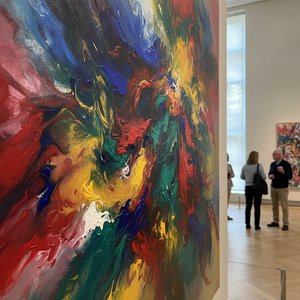
Explore the profound emotional depth of Lyrical Abstraction. Discover how masters like Raymond Parker used color and form to bridge Impressionism and Abstract Expressionism. Learn about this pivotal movement through our expert-led art history guide.

Explore the profound emotional depth of Color Field painting. Discover the history of mid-century abstraction, from Rothko to Newman, and learn how pure color transforms the viewer's experience through our expert art history guide.

Explore the profound history and emotional depth of Abstract Expressionism. From Jackson Pollock to Mark Rothko, master the nuances of the New York School through our expert art history guide. Discover museum-quality hand-painted reproductions for your collection.

Explore the profound impact of Abstract Expressionism. Discover how post-war artists used gesture and emotion to redefine modern art through Action Painting and the New York School. A definitive guide for students and collectors seeking deep historical context.


最新の美術ニュース、限定オファー、そしてインテリアのアイデアをいち早くお届けします。
お客様のプロジェクトについてお聞かせください。当社の美術専門家が、お客様に合わせた3つのパーソナライズされた芸術提案をご提供いたします。
あなたにぴったりの3作品を無料で厳選いたします


 プレビュー
プレビュー
 プリントを購入
 シェアする
シェアする シェアする
シェアする
 詳細を見る
詳細を見る

 ダウンロード
 似ている作品
 X線調査
X線調査 スライドショー
 詳細を見る
詳細を見る









 ガラスオプションは、110cm未満のサイズでのみご利用いただけます。


