x
当社のアーティストが、お客様のご希望のサイズと額縁に合わせて、キャンバスに手描きで制作する油彩画です。 ( プリント版に切り替え 画像に切り替え)





























作品のオリジナル比率に合わせた、当店の規定サイズからお選びください。

特定のフレームやスペースに合わせて、ご希望のサイズをご入力いただけます。選択されたサイズが元の画像の比率と異なる場合、アートワークをトリミングするか、手描きで要素を追加して絵画を拡張いたします。デジタルモックアップ を制作し、制作開始前にご確認(承認)をいただきます。
画面上のプレビューは、実際のトリミングや拡張を正確に反映しているものではありません。最終的な構図は、モックアップによってのみ正確にご確認いただけます。
カスタムサイズもご利用いただけますが、元の比率を維持するためには、あらかじめ用意されたリストからサイズを選択することをお勧めいたします。

Composition Design for
複製画のサイズ
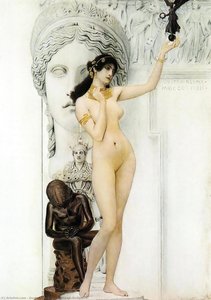
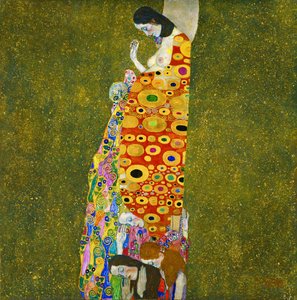
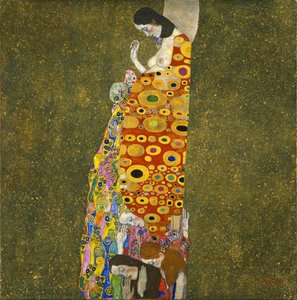
Gustav Klimt's "Composition Design for," dated 1882, isn’t merely a preparatory sketch; it’s a tantalizing window into the genesis of one of his most iconic paintings. This drawing, rendered with a confident hand and a nascent understanding of the opulent style that would define his career, offers a remarkably intimate view of Klimt's creative process – a world of swirling patterns, veiled figures, and the shimmering promise of gold. The work itself is deceptively simple in its execution, yet brimming with the seeds of the complex symbolism and decorative intensity that would characterize his mature oeuvre. It’s a testament to Klimt’s early experimentation, a crucial stepping stone on his path toward revolutionizing Viennese art.
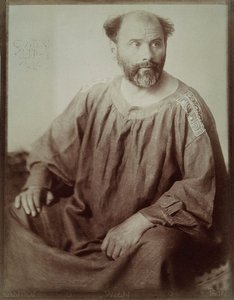
Born in Baumgarten near Vienna in 1862, Klimt's artistic lineage was inextricably linked to the world of craftsmanship. His father, Ernst Klimt, a gold engraver, instilled within young Gustav not just an appreciation for intricate detail and luxurious materials – qualities vividly reflected in the drawing’s subtle layering of charcoal – but also a deep understanding of how surfaces could be manipulated to create illusion and depth. This familial connection to the decorative arts would prove profoundly influential, shaping Klimt's later embrace of gold leaf and his exploration of patterns as vehicles for emotional expression. The transient upbringing that followed, marked by frequent moves within Vienna, undoubtedly sharpened his observational skills, allowing him to capture the nuances of human interaction with a remarkable sensitivity.
The drawing depicts a group of figures engaged in various activities – seated on a bench, standing in conversation, seemingly lost in their own thoughts. The arrangement is deliberately loose, prioritizing gesture and atmosphere over precise representation. Klimt isn’t striving for photographic realism; instead, he's capturing the *feeling* of a social gathering, the unspoken dynamics between individuals. Notice how he uses overlapping forms to create a sense of spatial ambiguity – figures seem to emerge from and recede into one another, blurring the boundaries between foreground and background. This technique anticipates Klimt’s later development of his signature flattened picture plane, where decorative elements become integral to the narrative.
The seated figure, positioned centrally, is particularly intriguing. Their posture suggests a moment of contemplation or perhaps even melancholy. The surrounding figures, though less defined, contribute to the overall mood of quiet intimacy. Klimt’s masterful use of shading and line work subtly reveals their forms, hinting at clothing, facial features, and body language without resorting to detailed rendering. This restraint is deliberate; it allows the viewer's imagination to fill in the gaps, creating a more personal connection with the scene.
Even in this preliminary sketch, traces of Klimt’s future symbolic language begin to emerge. The use of geometric patterns – particularly evident in the suggestion of drapery and architectural elements – foreshadows his later obsession with ornamentation. These aren't merely decorative flourishes; they represent a deeper engagement with themes of sexuality, spirituality, and the duality of masculine and feminine energies. The potential for gold, so central to Klimt’s mature work, is already palpable in the drawing’s subtle tonal variations and the suggestion of shimmering surfaces.
Considering the historical context – Vienna at the turn of the 20th century was a hub of artistic innovation, grappling with issues of modernity, sexuality, and social change – “Composition Design for” can be seen as a reflection of these turbulent times. Klimt’s work challenged conventional notions of beauty and representation, paving the way for new forms of artistic expression. The drawing itself embodies this spirit of experimentation, offering a glimpse into an artist on the cusp of greatness.
Most-Famous-Paintings offers meticulously crafted hand-painted reproductions of Gustav Klimt’s “Composition Design for,” capturing the essence of this pivotal work with unparalleled fidelity. Our artists utilize traditional techniques and archival-quality materials to ensure that each reproduction faithfully replicates the drawing's delicate details, nuanced tonal range, and atmospheric depth. Whether you are an art collector, interior designer seeking a touch of Viennese elegance, or simply an admirer of Klimt’s genius, our reproductions provide a beautiful and authentic way to experience this remarkable piece of art history. Explore the collection today and bring the captivating world of Gustav Klimt into your home.

1862 - 1918 , オーストリア

Explore the profound impact of the Vienna Secession movement. Discover how visionaries like Gustav Klimt revolutionized modern art through symbolism, gold leaf, and the concept of Gesamtkunstwerk in this expert-led historical guide.

Explore the opulent world of Erté and Art Deco. Discover how Romain de Tirtoff defined an era through geometric elegance, fashion illustration, and theatrical design. A deep dive into the history of 20th-century glamour for art lovers and collectors.


最新の美術ニュース、限定オファー、そしてインテリアのアイデアをいち早くお届けします。
お客様のプロジェクトについてお聞かせください。当社の美術専門家が、お客様に合わせた3つのパーソナライズされた芸術提案をご提供いたします。
あなたにぴったりの3作品を無料で厳選いたします


 プレビュー
プレビュー
 シェアする
シェアする シェアする
シェアする
 詳細を見る
詳細を見る

 ダウンロード
 似ている作品
 X線調査
X線調査 スライドショー


 詳細を見る
詳細を見る









 ガラスオプションは、110cm未満のサイズでのみご利用いただけます。