


x
オンラインプレビューをはるかに凌ぐ、高解像度で鮮明なデジタル画像をご購入いただけます。
各ファイルは、社内の専門家が高度なツールと熟練した手作業によるレタッチを用いて、細心の注意を払って準備されています。すべての画像において、卓越した鮮明度、正確な色彩再現性、そして繊細なディテールを保証いたします。
最終ファイルは、プロフェッショナルな編集・印刷環境ですぐにご利用いただけるよう最適化された状態で、72時間以内にメールにてお届けいたします。これは、一流のデザインスタジオ、出版社、ギャラリーから信頼されているものと同等の品質です。
Most-Famous-Paintings.com を選ぶことは、単に画像を手に入れることではありません。それは、プロの手によって精密に仕上げられ、満足保証が付いた高品質なデジタルアートワークを受け取ることを意味します。ご注文いただいた際に自動的に付随する内容は、以下の通りです:

ご注文から72時間以内に、高解像度のデジタル画像ファイルがメールでお手元に届きます。すぐにそのままご利用いただけます。

お客様の作品は、高度なAIツールと専門家による手作業の編集を組み合わせてプロフェッショナルに最適化されており、細部のディテール、鮮明さ、そして正確な色再現性を最大限に引き出しています。

ファイルを誤って削除したり、紛失してしまったりしましたか?ご安心ください。いつでも無料で再送いたします。

関税や手数料、配送料を気にすることなく、お気に入りのアートワークをすぐにお楽しみいただけます。デジタルダウンロードは常に免税です。

プロ仕様のツールとカラーマネジメント技術を用いることで、デジタル画像が元の色を最大限に忠実に再現することを保証いたします。

ご購入いただいたデジタル画像にご満足いただけない場合は、60日以内であれば、修正または100%の返金(理由を問う必要はありません)をさせていただきます。

ご満足いただけない場合は、デジタルファイルを受け取ってから60日以内であれば、理由を問わず全額返金いたします。

3枚購入で10%OFF - 5枚購入で15%OFF - 10枚以上購入で20%OFF。クリエイティブなプロジェクト、ギャラリー、エージェンシーに最適です。
Gustav Klimt's "Philosophy," a preparatory study for the monumental ceiling painting of the same name in Vienna’s University, is far more than just a sketch; it’s a concentrated microcosm of the artist’s evolving Symbolist vision and a profound meditation on knowledge, mortality, and the human condition. This black-and-white image offers a tantalizing glimpse into Klimt's creative process – a chaotic yet meticulously rendered exploration of figures adrift in a swirling vortex of thought. The study itself is imbued with an immediate sense of urgency and intellectual intensity, hinting at the grander work it would eventually become.
The composition immediately commands attention. A central, almost ethereal figure dominates the upper portion, radiating a subtle halo – a potent symbol suggesting wisdom or perhaps even divine inspiration. Surrounding this core are a diverse array of individuals: some reclining in languid poses, others standing with contemplative gazes, and still others engaged in what appears to be animated discussion. The inclusion of two bicycles is an unexpected detail, injecting a note of modernity and challenging the viewer to consider how Klimt was grappling with the changing landscape of his era. These aren’t simply decorative elements; they could represent the tension between tradition and progress, or perhaps the fleeting nature of experience in a rapidly modernizing world.
Klimt's masterful use of charcoal and pencil is immediately apparent. The lines are not clean or precise; instead, they possess a raw energy, a sense of urgency captured through expressive gestural strokes. Varying line weights create a dynamic interplay of light and shadow, lending depth and volume to the figures while simultaneously contributing to the overall feeling of movement and disorientation. The texture is deliberately rough – a deliberate rejection of academic smoothness—reflecting the preliminary nature of the study but also hinting at Klimt’s desire to break free from traditional artistic constraints. The diffused lighting suggests a studio setting, emphasizing the intimacy of this creative exploration.
The flattened perspective, devoid of a clear vanishing point, further enhances the sense of unease and psychological depth. Rather than offering a realistic representation of space, Klimt prioritizes emotional impact. Overlapping forms create a complex visual tapestry, drawing the eye through the composition and inviting contemplation. The ambiguity of the scene encourages viewers to project their own interpretations onto the figures and their interactions – a hallmark of Symbolist art.
“Philosophy” is inextricably linked to Klimt’s involvement with the Vienna Secession, an avant-garde movement that challenged the conservative artistic establishment. The original ceiling painting, commissioned for the University of Vienna in 1900, was met with considerable controversy due to its unconventional imagery and perceived challenge to established academic thought. The study itself reflects this tension – a visual manifestation of Klimt’s willingness to push boundaries and engage with complex philosophical ideas.
Further research reveals that Klimt's work on the University ceiling paintings was deeply influenced by Schopenhauer’s philosophy, particularly his pessimistic view of human existence. The figures in “Philosophy” can be interpreted as representing different stages of life – from youthful exuberance to decay and oblivion – mirroring this philosophical framework. The inclusion of the sphinx-like figure at the center further reinforces this connection, suggesting a quest for ultimate knowledge or understanding amidst the chaos of the world. It’s a powerful statement about the limitations of human reason and the enduring mysteries of existence.
Most-Famous-Paintings is proud to offer meticulously hand-painted reproductions of Gustav Klimt’s “Philosophy,” capturing the artist’s unique style and emotional intensity. Each reproduction is created by skilled artists using archival-quality materials, ensuring that the colors and details faithfully reflect the original study. Whether you're an art enthusiast, a collector seeking a statement piece, or simply someone drawn to Klimt’s evocative imagery, our reproductions provide a beautiful and authentic way to experience this iconic work of art.

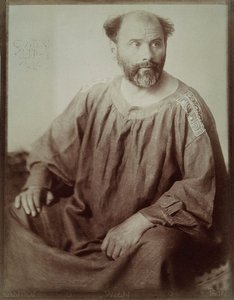
1862 - 1918 , オーストリア


最新の美術ニュース、限定オファー、そしてインテリアのアイデアをいち早くお届けします。
お客様のプロジェクトについてお聞かせください。当社の美術専門家が、お客様に合わせた3つのパーソナライズされた芸術提案をご提供いたします。
あなたにぴったりの3作品を無料で厳選いたします


 プレビュー
プレビュー
 プリントを購入
 シェアする
シェアする シェアする
シェアする
 詳細を見る
詳細を見る

 ダウンロード
 似ている作品
 X線調査
X線調査 スライドショー

 詳細を見る
詳細を見る


