


x
迅速な制作と多彩な仕上げオプションを備えた、ミュージアムクオリティのジークレーまたはキャンバスプリント。 ( 手描きの絵画を購入 画像を購入)





























作品のオリジナル比率に合わせた、当店の規定サイズからお選びください。

特定のフレームやスペースに合わせて、ご自身でサイズを指定することも可能です。選択されたサイズが元の画像の比率と一致しない場合、作品をトリミングするか、鏡面反射または単色での塗りつぶしによって画像を拡張いたします。制作を開始する前に、ご確認用のデジタルモックアップをお送りいたします。
画面上のプレビューには、実際のトリミングや拡張は反映されませんのでご注意ください。最終的な構図を正確に確認できるのは、モックアップのみとなります。
カスタムサイズも承っておりますが、元の比率を維持するためには、あらかじめ用意されたリストからサイズを選択することをお勧めいたします。

Thalia and Melpomene
複製画のサイズ
Gustav Klimt’s “Thalia and Melpomene,” painted in 1898, is more than just a depiction of two Greek muses; it's a profound meditation on the very nature of artistic expression itself. This drawing, remarkably preserved and now available as a meticulously hand-painted reproduction, offers a captivating glimpse into Klimt’s evolving style and his fascination with timeless themes. The image presents a trio – Thalia, muse of comedy, Melpomene, muse of tragedy, and an enigmatic observer – arranged within a strikingly formal composition reminiscent of a classical frieze. The drawing's graphite execution reveals the artist’s meticulous attention to detail, particularly in the rendering of the figures’ drapery and the intricate patterns that would later become hallmarks of Klimt’s mature work.
Klimt’s choice of subject matter is deeply rooted in ancient Greek mythology. Thalia and Melpomene were central figures in the world of theatre, representing the two fundamental aspects of dramatic performance: comedy and tragedy. The drawing immediately evokes this duality. Thalia, depicted with a radiant smile and flowing, richly patterned robes, embodies joyous laughter and lightheartedness. Her vibrant colors contrast sharply with Melpomene’s somber expression and the darker hues of her attire, symbolizing sorrow, grief, and the weight of tragic fate. The inclusion of the observer, a shadowy figure positioned between them, suggests the audience – both captivated by the spectacle and profoundly affected by its emotional impact.
“Thalia and Melpomene” represents a pivotal moment in Klimt's artistic development. It showcases his move away from the more overtly academic styles of his early career towards a bolder, more expressive approach. Notice the deliberate use of graphic lines – a technique known as “graphic rain” – that creates a sense of movement and dynamism within the composition. This stylistic choice, influenced by Japanese art which Klimt greatly admired, adds to the drawing’s ethereal quality. The meticulous rendering of textures—the smooth silk of the muses' robes, the rough fabric of the observer’s clothing—demonstrates Klimt’s mastery of technique and his ability to translate visual sensation onto paper. The drawing is a preparatory study for a larger painting, hinting at the scale and grandeur that would characterize his later masterpieces.
Beyond its technical brilliance, “Thalia and Melpomene” possesses a powerful emotional resonance. The figures’ expressions—one joyful, one sorrowful—invite viewers to contemplate the human condition itself. Klimt's ability to capture such profound emotions through simple lines and shapes is a testament to his genius. This drawing serves as a crucial link in understanding Klimt’s artistic trajectory, foreshadowing the opulent gold leaf works that would later cement his place among the most important artists of the late 19th and early 20th centuries. A hand-painted reproduction offers an unparalleled opportunity to experience this iconic work firsthand, bringing its beauty and intellectual depth into your home or studio.

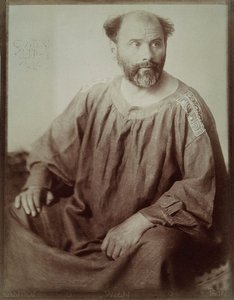
1862 - 1918 , オーストリア

Explore the profound impact of the Vienna Secession movement. Discover how visionaries like Gustav Klimt revolutionized modern art through symbolism, gold leaf, and the concept of Gesamtkunstwerk in this expert-led historical guide.


最新の美術ニュース、限定オファー、そしてインテリアのアイデアをいち早くお届けします。
お客様のプロジェクトについてお聞かせください。当社の美術専門家が、お客様に合わせた3つのパーソナライズされた芸術提案をご提供いたします。
あなたにぴったりの3作品を無料で厳選いたします


 プレビュー
プレビュー
 シェアする
シェアする シェアする
シェアする
 詳細を見る
詳細を見る

 ダウンロード
 似ている作品
 X線調査
X線調査 スライドショー


 詳細を見る
詳細を見る









 ガラスオプションは、110cm未満のサイズでのみご利用いただけます。


