


x
作品のオリジナル比率に合わせた、当店の規定サイズからお選びください。

特定のフレームやスペースに合わせて、ご希望のサイズをご入力いただけます。選択されたサイズが元の画像の比率と異なる場合、アートワークをトリミングするか、手描きで要素を追加して絵画を拡張いたします。デジタルモックアップ を制作し、制作開始前にご確認(承認)をいただきます。
画面上のプレビューは、実際のトリミングや拡張を正確に反映しているものではありません。最終的な構図は、モックアップによってのみ正確にご確認いただけます。
カスタムサイズもご利用いただけますが、元の比率を維持するためには、あらかじめ用意されたリストからサイズを選択することをお勧めいたします。

Blue Pitcher
複製画のサイズ
Henri Matisse's “Blue Pitcher,” painted in 1901, stands as a cornerstone of Fauvist art—a movement that irrevocably altered the course of twentieth-century painting. More than just a depiction of domestic objects, it embodies Matisse’s revolutionary approach to color and composition, reflecting his profound belief that art should express emotion rather than merely imitate reality.
The canvas presents a deceptively simple arrangement: a blue vase dominates the center stage, perched atop a pitcher. Surrounding it are two bottles positioned on either side, creating an equilibrium that’s subtly reinforced by the inclusion of a spoon resting upon the tabletop. Matisse eschewed traditional perspective and shading techniques, prioritizing instead the vibrancy of color to convey feeling. This deliberate rejection of academic conventions was precisely what defined Fauvism—a bold assertion that color could be its own reward.
Matisse’s masterful brushwork is instantly recognizable. Thick, impasto strokes – meaning paint applied thickly – imbue the canvas with palpable energy and texture. Each stroke isn't merely a mark; it’s an instrument of expression, channeling Matisse’s inner vision onto the surface. The artist meticulously layered hues of blue—ranging from cerulean to indigo—creating depth and luminosity that transcends mere visual representation.
"Blue Pitcher" emerged during a period of artistic ferment, challenging the prevailing aesthetic sensibilities of Impressionism. While Impressionists sought to capture fleeting moments of light and atmosphere, Matisse deliberately prioritized color as its primary vehicle for conveying emotion. This decision aligns with broader intellectual currents of the time—a burgeoning interest in psychology and symbolism—reflecting Matisse’s conviction that art should resonate beyond superficial appearances.
The choice of blue itself is significant. Often associated with tranquility, spirituality, and introspection, it serves as a counterpoint to the darker tones surrounding it. The vase and pitcher—familiar objects imbued with everyday life—become symbols of domestic harmony and contemplation. Ultimately, “Blue Pitcher” invites viewers into Matisse’s emotional landscape, prompting reflection on beauty, color, and the expressive power of art. It remains an enduring testament to Matisse's genius and a pivotal work in the history of Fauvist painting.


1869 - 1954 , フランス
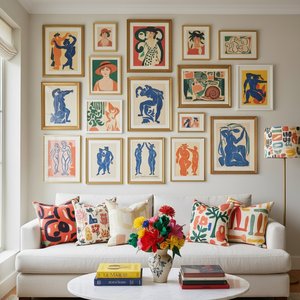
アンリ・マティスの傑作25選🎨 色彩と情熱が織りなす世界を旅する。フォーヴィスム代表の巨匠、マティスの絵画の魅力と歴史を紐解きます。Most-Famous-Paintingsで高品質なアートプリントや複製画を見つけ、インテリアに芸術的な輝きを✨ Explore the full collection online

Explore 10 Fauvist masterpieces by Matisse, Derain & Vlaminck that ignited Modern Art! Discover bold colors, expressionist landscapes & the history of this revolutionary movement. Find museum-quality prints at Most-Famous-Paintings.com.
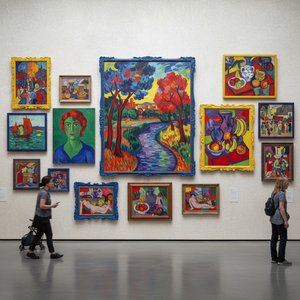
鮮烈な色彩が時代を席巻!フォーヴィズムを代表する10大名作を徹底解剖。マティスら巨匠の技と情熱に触れ、アートの新たな世界を発見。Most-Famous-Paintings.comで至高の美術館級レプリカと洗練されたインテリアアイデアを見つけよう。

Immerse yourself in the captivating world of slate blue! Explore 10 iconic paintings by Monet, Van Gogh & Renoir. Discover their stories, techniques & find museum-quality art reproductions for your home at .

Experience art's raw power! Explore 10 iconic paintings – Van Gogh, Kahlo & more – that define 'bold'. Discover the stories behind these expressive masterpieces and find museum-quality reproductions for your home at Most-Famous-Paintings.com.


最新の美術ニュース、限定オファー、そしてインテリアのアイデアをいち早くお届けします。
お客様のプロジェクトについてお聞かせください。当社の美術専門家が、お客様に合わせた3つのパーソナライズされた芸術提案をご提供いたします。
あなたにぴったりの3作品を無料で厳選いたします


 プレビュー
プレビュー
 プリントを購入
 シェアする
シェアする シェアする
シェアする
 詳細を見る
詳細を見る

 ダウンロード
 似ている作品
 X線調査
X線調査 スライドショー

 詳細を見る
詳細を見る






































 ガラスオプションは、110cm未満のサイズでのみご利用いただけます。


