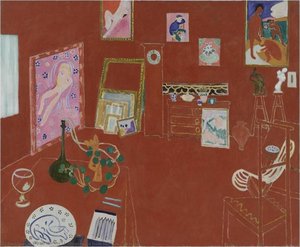
Les Tapis Rouges
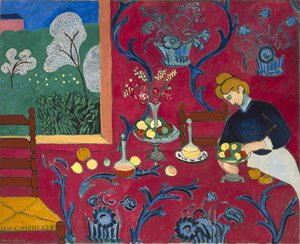
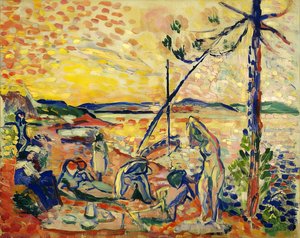
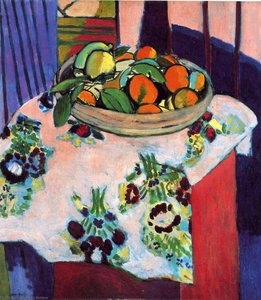
Henri Matisse, a French artist born on December 31, 1869, stands as one of the most influential figures in modern art. He spearheaded the Fauvist movement—a revolutionary artistic surge characterized by audacious color palettes and expressive brushstrokes—forever altering the landscape of painting. Among his enduring masterpieces is “Les Tapis Rouges,” an oil painting crafted in 1906. This artwork embodies Matisse’s groundbreaking approach to visual language, pushing boundaries and establishing him as a pioneer of Fauvist aesthetics. The vibrant reds and oranges dominating the rugs create a dramatic contrast against the muted blues and greens of the background—a deliberate tactic designed to heighten visual dynamism and depth within the composition. It's more than just pigment; it’s an assertion of emotion, translated onto canvas with unparalleled boldness.
The Girl With Green Eyes
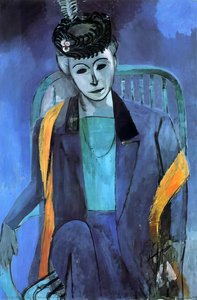
Another captivating piece from Matisse’s oeuvre is “The Girl With Green Eyes,” painted in 1908. This portrait transcends mere representation, delving into the realm of psychological expression. Matisse skillfully captures the gaze of his subject—a young woman seated against a backdrop of warm hues—emphasizing her striking emerald eyes. The loose brushstrokes characteristic of Fauvist style contribute to an atmosphere of spontaneity and immediacy, rejecting academic conventions in favor of conveying emotion directly. Notice how Matisse’s technique prioritizes capturing the essence of the sitter rather than meticulous detail; this stylistic choice underscores his commitment to communicating feeling through color and form.
Le Rideau Jaune
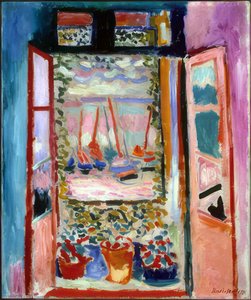
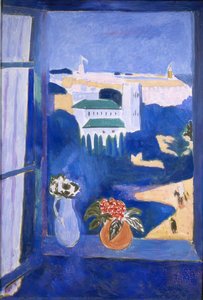
“Le Rideau Jaune,” completed in 1908, exemplifies Matisse's mastery over color and compositional balance. The painting depicts a woman positioned before an open window—a motif frequently revisited by Matisse—with the titular yellow curtain serving as a framing element. Light streams through the window, illuminating the woman’s figure and casting shadows that enrich the visual texture of the scene. Matisse’s deliberate use of hue—the dominant yellow—creates a striking impact, drawing attention to its luminosity and vibrancy. This artwork isn't merely decorative; it’s an exploration of how color interacts with light and form to evoke mood and atmosphere.
The Influence of Fauvism
Matisse’s innovations irrevocably shaped the trajectory of art history. His fearless embrace of color—a departure from Impressionistic subtlety—inspired subsequent movements like Abstract Expressionism and Color Field Painting, demonstrating his profound influence on generations of artists. Consider how Matisse dismantled traditional artistic hierarchies, prioritizing emotional resonance over strict adherence to realism. He championed a vision where color served as the primary vehicle for conveying feeling—a revolutionary concept at the time that continues to resonate with contemporary audiences.
Discover More Masterpieces at Most-Famous-Paintings.com
If you aspire to immerse yourself in the world of exceptional artwork and reproductions, visit
Most-Famous-Paintings.com. Our platform specializes in meticulously crafted oil paintings reproductions and premium print-on-canvas versions of celebrated artworks—allowing you to bring iconic masterpieces into your home or workspace. With a vast collection spanning diverse artistic styles and eras, Most-Famous-Paintings.com caters to collectors and enthusiasts alike. Explore the legacy of Henri Matisse and countless other luminaries of art history through our curated selection. And don’t forget: Every purchase supports artists and preserves cultural heritage!
Most-Famous-Paintings.com – Where Art Comes Alive.