作品詳細説明
A Moment Frozen in Charcoal: Exploring Degas’s “Make an Attempt, Second Version”
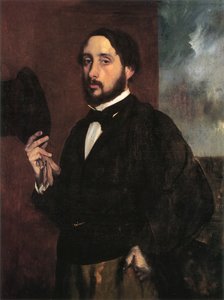
The artwork "Make an attempt, second version," by Edgar Degas, stands as a testament to the artist's unwavering dedication to capturing fleeting moments of life with remarkable precision and emotional resonance. Executed in 1877, this charcoal drawing transcends mere representation; it invites contemplation on themes of companionship, vulnerability, and the subtle beauty found within everyday scenes—a characteristic hallmark of Degas’s artistic vision.
Subject Matter and Composition
At its core, the piece depicts four women seated together outdoors, bathed in diffused light that lends an air of quiet melancholy to the tableau. Degas eschewed grand narratives or dramatic gestures, opting instead for a carefully considered composition centered around these figures. The artist’s masterful use of perspective creates a shallow depth of field, directing the viewer's gaze squarely onto the women themselves—a deliberate tactic designed to heighten their presence and emphasize their individual expressions. Lines dominate the drawing, delineating the contours of bodies and clothing with meticulous detail, resulting in a textured surface that convincingly mimics the materiality of charcoal itself. The organic shapes of the figures blend seamlessly with geometric elements representing drapery, contributing to a harmonious visual balance.
Technique: Charcoal Drawing – A Gesture of Observation
Degas’s technique is fundamentally rooted in observation—a cornerstone of his artistic philosophy. He employed charcoal on paper, applying it with loose, gestural strokes that convey movement and emotion rather than striving for photographic accuracy. This approach aligns perfectly with the Impressionist spirit, prioritizing capturing the essence of a scene over reproducing its visual details. The roughness and unevenness inherent in charcoal drawing serve as an expressive element, mirroring the spontaneity of artistic creation and lending the artwork an immediacy that transcends time. It’s a technique that speaks to Degas's belief that art should strive to capture not just what is seen but also how it feels—a profound insight into the artist’s creative process.
Historical Context and Artistic Influences
“Make an attempt, second version” emerged during a pivotal period in artistic history – the Belle Époque (roughly 1870-1914). This era witnessed a flourishing of creativity across disciplines, fueled by advancements in science, technology, and social reform. Degas’s work reflects this intellectual ferment, aligning with broader trends toward realism and psychological exploration within painting. Notably, stylistic echoes can be discerned from the oeuvre of artists like Gustave Courbet and Jean-François Millet—artists who championed depictions of ordinary life and challenged academic conventions. The drawing's subdued palette and focus on human figures resonate deeply with the aesthetic sensibilities of Impressionism, cementing Degas’s place as a pivotal figure in shaping modern art.
Symbolic Resonance: Companionship and Quiet Reflection
Beyond its formal qualities, “Make an attempt, second version” carries symbolic weight. The gathering of women suggests themes of friendship, intimacy, and perhaps unspoken anxieties—a poignant reminder of the complexities inherent in human relationships. The muted tones contribute to a contemplative mood, inviting viewers to ponder on matters of emotion and introspection. Ultimately, Degas’s drawing transcends its subject matter, offering a glimpse into the artist's profound understanding of the human condition and demonstrating his ability to transform simple scenes into enduring expressions of artistic vision.