


x
 Oil On CanvasWallArtRealist Observation
 1865
1865 27.0 x 21.0 cm
 メトロポリタン美術館




























作品のオリジナル比率に合わせた、当店の規定サイズからお選びください。

特定のフレームやスペースに合わせて、ご希望のサイズをご入力いただけます。選択されたサイズが元の画像の比率と異なる場合、アートワークをトリミングするか、手描きで要素を追加して絵画を拡張いたします。デジタルモックアップ を制作し、制作開始前にご確認(承認)をいただきます。
画面上のプレビューは、実際のトリミングや拡張を正確に反映しているものではありません。最終的な構図は、モックアップによってのみ正確にご確認いただけます。
カスタムサイズもご利用いただけますが、元の比率を維持するためには、あらかじめ用意されたリストからサイズを選択することをお勧めいたします。

Two Men
複製画のサイズ
Edgar Degas's "Two Men," painted in 1865, isn’t merely a depiction of two figures; it’s a carefully constructed tableau brimming with unspoken narratives and the quiet observation that defined the artist’s unique approach to painting. Often considered a pivotal work in his oeuvre, this piece reveals Degas’s fascination with capturing candid moments – individuals caught in their everyday routines, revealing glimpses into their personalities and the atmosphere of their surroundings. The scene, likely situated within an artist's studio, immediately draws the viewer in with its muted palette and the palpable sense of a shared, yet private, conversation.
The painting’s composition is deliberately asymmetrical. The man on the right, seated and partially turned away, exudes a certain reserve, perhaps even weariness. His posture suggests contemplation or perhaps simply the burden of artistic endeavor. Conversely, the figure standing before us—the identity of whom remains tantalizingly unknown – possesses an openness, his gaze directed squarely at the viewer. This directness creates an immediate connection, inviting speculation about their relationship and the subject of their discussion. Degas masterfully uses this contrast to generate a dynamic tension within the frame, suggesting a complex interplay between observation and engagement.
Degas’s distinctive style is immediately apparent in “Two Men.” He eschews the smooth, polished surfaces favored by many of his contemporaries, opting instead for loose, expressive brushstrokes that imbue the painting with a remarkable sense of movement. The paint isn't blended; rather, it’s applied in visible dabs and dashes, creating an almost tactile quality to the surface. This technique perfectly captures the fleeting nature of the moment – the suggestion of conversation, the rustle of clothing, the play of light on skin. The artist’s use of color is equally deliberate, relying on a restrained palette of earthy tones—ochres, browns, and grays—that contribute to the painting's somber mood and reinforce its sense of realism.
Notably, Degas employed oil paint on wood panel, a medium that allowed for both textural richness and a subtle sheen. The way light reflects off the surface reveals the artist’s meticulous attention to detail, highlighting the textures of fabric and the contours of the figures' faces. The visible brushwork isn’t simply an aesthetic choice; it’s integral to conveying the immediacy and spontaneity of the scene.
“Two Men” offers a valuable window into the artistic milieu of 19th-century Paris. The setting, likely Degas's studio, was a hub for creative exchange—a space where artists gathered to discuss ideas, critique each other’s work, and simply observe the world around them. The presence of Émile Lévy, a student at the French Academy in Rome when Degas met him, adds another layer of historical context. This encounter likely fueled Degas's interest in portraying figures engaged in intellectual pursuits – a recurring theme throughout his career.
Beyond its biographical details, the painting speaks to a broader cultural shift. Degas’s focus on everyday life and ordinary people represented a departure from the grand historical narratives favored by earlier generations of artists. He sought to capture the essence of modern existence—the complexities of human interaction, the rhythms of daily routine, and the subtle nuances of personality.
Despite its apparent simplicity, “Two Men” possesses a profound emotional resonance. The painting’s quiet intimacy invites viewers to contemplate the unspoken connections between individuals—the shared experiences that shape our lives and the mysteries that lie beneath the surface of everyday interactions. The ambiguity surrounding the figures' identities further enhances this effect, prompting us to project our own interpretations onto the scene.
A hand-painted reproduction of “Two Men” by Most-Famous-Paintings.com offers a remarkable opportunity to bring this captivating artwork into your home or office. The meticulous detail and vibrant colors faithfully recreate Degas’s original vision, allowing you to appreciate the artist's genius and immerse yourself in the atmosphere of his Parisian studio. It is more than just a painting; it’s a portal to another time, a testament to the enduring power of observation, and a celebration of the beauty found in the ordinary.

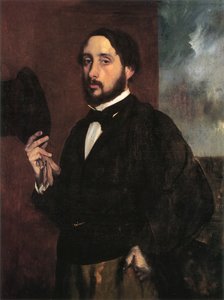
1834 - 1917 , フランス

Journey through Impressionism's heart with 10 iconic paintings by Monet, Renoir & Degas. Explore light, color & the stories behind these masterpieces. Find museum-quality art reproductions and elevate your home decor on Most-Famous-Paintings.com.

Explore the captivating world of Edgar Degas! Discover his innovative techniques, iconic ballet paintings, and unique portrayal of Parisian life in this insightful art history study.
ポール・セザンヌの至高の25選。ポスト印象派を代表する画家、セザンヌの傑作と革新的な技法を紐解きます。Most-Famous-Paintingsで高品質な複製画やインテリアアートを見つけ、芸術の世界をご自宅に。今すぐコレクションをご覧ください。
印象派を代表する10傑の世界へ。モネ、ルノワールら巨匠の技と色彩が織りなす至高の名作を紐解きます。美術、インテリアに新たなインスピレーションを。Most-Famous-Paintings.comで、博物館品質のアート複製と洗練された空間演出を見つけましょう。

モネ、ルノワール…印象派を代表する傑作10選。🎨 色彩と光の魔法、芸術家の物語を紐解き、空間に深みを与える絵画の世界へ。Most-Famous-Paintingsで複製画やキャンバスアートを見つけ、あなただけのインテリアを実現しましょう。🖼️ 詳細はこちら


最新の美術ニュース、限定オファー、そしてインテリアのアイデアをいち早くお届けします。
お客様のプロジェクトについてお聞かせください。当社の美術専門家が、お客様に合わせた3つのパーソナライズされた芸術提案をご提供いたします。
あなたにぴったりの3作品を無料で厳選いたします


 プレビュー
プレビュー
 プリントを購入
 シェアする
シェアする シェアする
シェアする
 詳細を見る
詳細を見る

 ダウンロード
 似ている作品
 X線調査
X線調査 スライドショー
 詳細を見る
詳細を見る









 ガラスオプションは、110cm未満のサイズでのみご利用いただけます。


