x

 Acrylic On CanvasWallArtContemporary Realism
 19th Century
 26.0 x 33.0 cm
 レギオン・オブ・オナー美術館




























作品のオリジナル比率に合わせた、当店の規定サイズからお選びください。

特定のフレームやスペースに合わせて、ご自身でサイズを指定することも可能です。選択されたサイズが元の画像の比率と一致しない場合、作品をトリミングするか、鏡面反射または単色での塗りつぶしによって画像を拡張いたします。制作を開始する前に、ご確認用のデジタルモックアップをお送りいたします。
画面上のプレビューには、実際のトリミングや拡張は反映されませんのでご注意ください。最終的な構図を正確に確認できるのは、モックアップのみとなります。
カスタムサイズも承っておりますが、元の比率を維持するためには、あらかじめ用意されたリストからサイズを選択することをお勧めいたします。

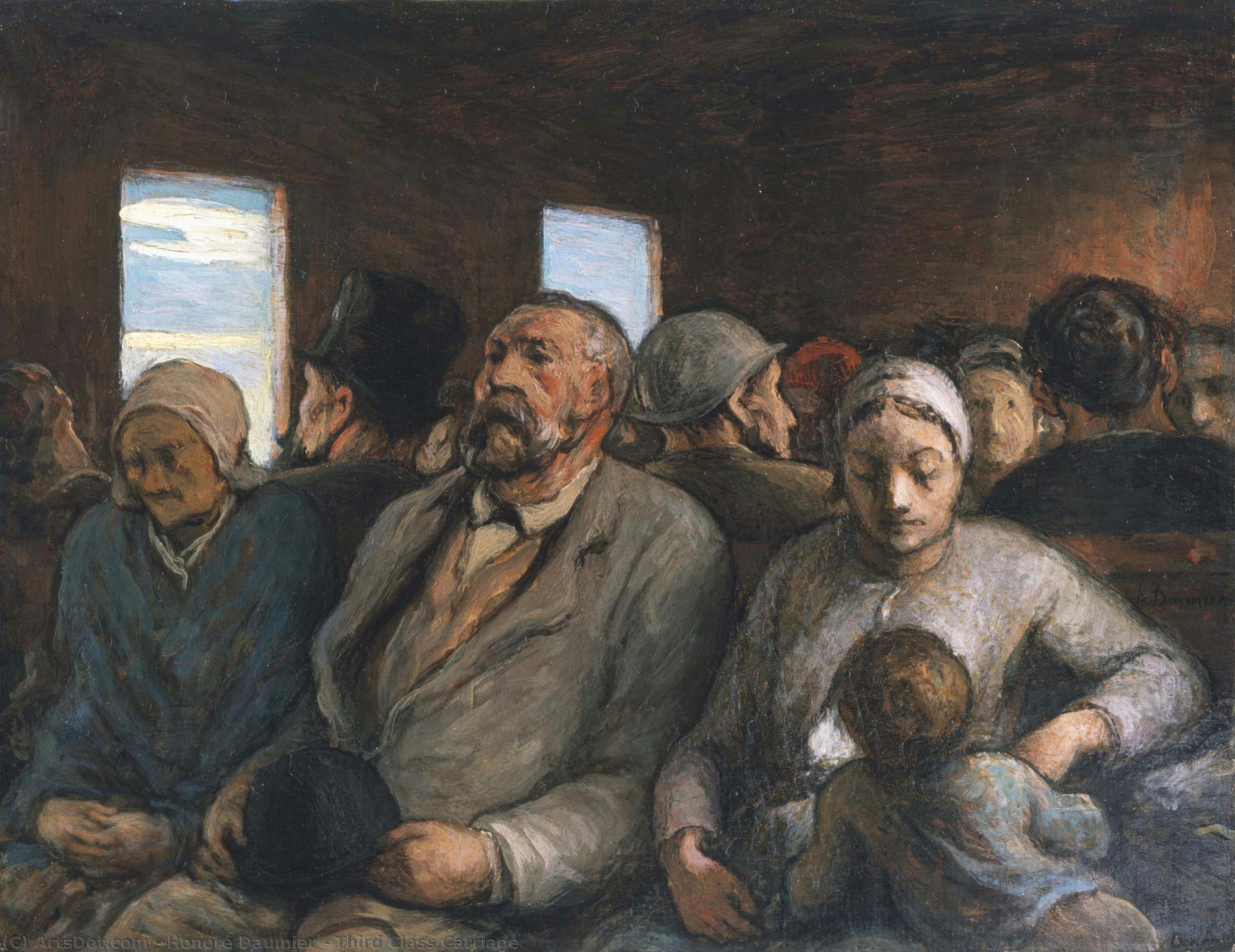
Third Class Carriage
複製画のサイズ
Honoring the legacy of Honoré Daumier, this meticulously crafted hand-painted reproduction captures a quintessential moment in French history – a snapshot of everyday life aboard a third-class train carriage. Painted with an astute eye for detail and imbued with the social commentary that defined Daumier’s oeuvre, “Third Class Carriage” offers more than just a visual representation; it's a poignant glimpse into the lives and experiences of ordinary people navigating the burgeoning industrial landscape of 19th-century France. The scene unfolds within a tightly composed black and white image, dominated by the utilitarian space of the train car itself – benches stretching across the frame, occupied by thirteen individuals engaged in quiet contemplation or absorbed in their pursuits.
The composition itself is rich in symbolic potential. The close proximity of the passengers suggests both intimacy and constraint – a reflection of the realities of shared space and circumstance. The men in ties, representing various professions and social strata, underscore the diverse nature of the traveling public. Daumier’s deliberate choice to depict this seemingly mundane scene elevates it to a powerful statement about human connection, social inequality, and the transformative power of travel. It invites viewers to consider the stories behind each face, prompting reflection on themes of class, identity, and the shared human experience.
This hand-painted reproduction of “Third Class Carriage” by Honoré Daumier is more than just a beautiful artwork; it’s an investment in art history. Printed on high-quality archival paper with meticulous attention to detail, this piece will bring a touch of Daumier's genius into your home or office. Its size (26 x 33 cm) makes it ideal for a variety of settings – from a small study to a larger living room. Perfect for interior designers seeking to evoke the spirit of 19th-century France, or art collectors drawn to Daumier’s powerful social commentary and masterful technique, this reproduction offers an unparalleled opportunity to own a piece of artistic history.


1808 - 1879 , フランス

Explore the life & work of Honoré Daumier, a master of 19th-century French realism and satire. Discover his powerful lithographs, paintings, and sculptures critiquing society – and his lasting influence on modern art.

Explore the powerful world of Social Realism art! Discover key artists, masterpieces & its profound social commentary. Expert insights into this influential movement's history and enduring legacy.

Explore the powerful history of social commentary in art! Discover key artists like Hogarth & Daumier, movements from Realism to American Social Realism, and how art reflects—and challenges—society. Expert insights at Most-Famous-Paintings.
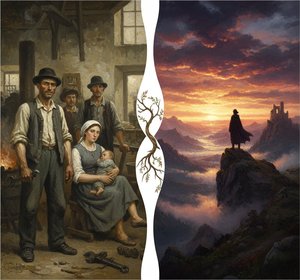
Explore 10 defining masterpieces of Romantic Realism! Discover Courbet, Millet & Daumier's powerful paintings—capturing emotion and social realities. Find museum-quality reproductions for your home at Most-Famous-Paintings.com.
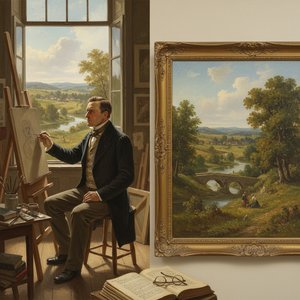
Explore the captivating world of 19th-century Realism! Discover key artists like Courbet & Millet, masterpieces, and the powerful social commentary behind this influential art movement. Expert insights at Most-Famous-Paintings.


最新の美術ニュース、限定オファー、そしてインテリアのアイデアをいち早くお届けします。
お客様のプロジェクトについてお聞かせください。当社の美術専門家が、お客様に合わせた3つのパーソナライズされた芸術提案をご提供いたします。
あなたにぴったりの3作品を無料で厳選いたします


 Preview
 手描き複製画を注文する
 シェアする
シェアする シェアする
シェアする
 詳細を見る
詳細を見る

 ダウンロード
 似ている作品
 X線調査
X線調査 スライドショー
 詳細を見る
詳細を見る









 ガラスオプションは、110cm未満のサイズでのみご利用いただけます。