


x
迅速な制作と多彩な仕上げオプションを備えた、ミュージアムクオリティのジークレーまたはキャンバスプリント。 ( 手描きの絵画を購入 画像を購入)





























作品のオリジナル比率に合わせた、当店の規定サイズからお選びください。

特定のフレームやスペースに合わせて、ご自身でサイズを指定することも可能です。選択されたサイズが元の画像の比率と一致しない場合、作品をトリミングするか、鏡面反射または単色での塗りつぶしによって画像を拡張いたします。制作を開始する前に、ご確認用のデジタルモックアップをお送りいたします。
画面上のプレビューには、実際のトリミングや拡張は反映されませんのでご注意ください。最終的な構図を正確に確認できるのは、モックアップのみとなります。
カスタムサイズも承っておりますが、元の比率を維持するためには、あらかじめ用意されたリストからサイズを選択することをお勧めいたします。

Alexandre le Grand devant le tombeau d'Achille
複製画のサイズ
Hubert Robert’s “Alexandre le Grand devant le tombeau d’Achille” (c. 1754-1757) is not merely a depiction of a historical scene; it's a carefully constructed tableau brimming with symbolic weight, rendered in the evocative style characteristic of the late 18th century. The painting transports us to a ruined Roman landscape – a deliberate choice by Robert that immediately establishes a dialogue between grandeur and transience. Here, Alexander the Great stands before what is clearly identified as Achilles’ tomb, not in triumphant victory, but in a posture of contemplative solemnity. This isn't the heroic Alexander of classical sculpture; he appears almost weary, his gaze fixed on the fragmented remains of the past, suggesting a profound awareness of mortality and the fleeting nature of even the most formidable power.
Robert masterfully employs a flattened perspective, prioritizing atmosphere and emotional resonance over strict adherence to linear realism. The composition is deliberately complex, layering figures – soldiers, onlookers, and Alexander himself – within a carefully orchestrated architectural setting. The strong vertical lines of the columns contrast sharply with the horizontal fragmentation of the fallen structures, creating a visual tension that mirrors the painting’s thematic concerns. Notice how Robert uses diffused lighting, reminiscent of an overcast day, to soften the edges and imbue the scene with a melancholic quality. The earthy color palette – dominated by ochres, browns, and muted blues – further reinforces this sense of age and decay, while subtle touches of red in the drapery draw the eye and add a touch of dramatic intensity.
While firmly rooted in the Neoclassical tradition—a style emphasizing clarity, order, and rational composition—Robert’s work also reveals a strong influence from the burgeoning Romantic movement. The ruins themselves are not simply historical artifacts; they represent a powerful symbol of time's relentless passage and the inevitable decline of all things. The scene evokes a sense of nostalgia for a lost golden age, a yearning for beauty amidst decay – a hallmark of Romanticism’s fascination with emotion and the sublime. Robert wasn’t just documenting ruins; he was crafting visions, blending observation with imagination to create scenes that resonated with both a longing for the past and an anticipation of the future.
The choice of Achilles' tomb is particularly significant. Achilles, the epitome of heroic strength and martial prowess, represents an ideal of masculine virtue—a concept increasingly challenged by the Enlightenment’s emphasis on reason and individual liberty. Alexander, standing before his demise, implicitly acknowledges this shift in values. The juxtaposition of the powerful conqueror with the fallen hero suggests a subtle critique of unchecked ambition and the ultimate futility of earthly glory. Robert's skill lies not just in depicting the scene accurately but in imbuing it with layers of meaning that invite contemplation.
“Alexandre le Grand devant le tombeau d’Achille” is a testament to Robert's meticulous technique. Likely executed in oil on canvas, the painting demonstrates a sophisticated understanding of color blending and layering—a hallmark of the Rococo and Neoclassical periods. The visible brushstrokes contribute to the sense of texture and immediacy, while subtle glazing techniques create depth and luminosity. The rough, aged surfaces of the ruins are contrasted with smoother areas of skin tones, further emphasizing the painting’s thematic concerns about time and decay. Robert's use of pigments mixed with oil—a standard practice at the time—allowed him to achieve a remarkable range of tonal values and subtle color variations.
The painting’s composition suggests a deliberate effort to capture not just a visual likeness but also an emotional atmosphere. Robert’s careful attention to detail, combined with his masterful use of light and shadow, creates a scene that is both visually stunning and profoundly moving. It's a work that invites the viewer to contemplate the enduring legacy of heroes, the inevitability of decay, and the complex relationship between power and mortality.


1733 - 1808 , フランス

Explore the captivating world of Hubert Robert, master of Romantic landscape painting & 'capriccio' ruins. Discover his historical context, artistic innovations, and collecting insights with Most-Famous-Paintings.

Explore the captivating world of David Roberts, a pioneering Scottish painter renowned for his detailed Orientalist scenes & stunning Egyptian landscapes. Discover his legacy and find museum-quality reproductions at Most-Famous-Paintings.

Explore the life & art of Alexander Nasmyth, a pivotal figure in Scottish Romantic landscape painting. Discover his iconic works, including portraits of Robert Burns, and learn about his lasting influence on national identity. Fine art reproductions available.

Explore the life & work of Robert Havell Sr., a pioneer of botanical illustration and key collaborator with Audubon. Discover his stunning aquatint engravings, artistic techniques, and lasting impact on 19th-century art.
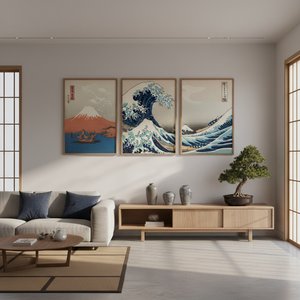
葛飾北斎の25選:『神奈川沖浪裏』や『富嶽三十六景』など、浮世絵の世界を深く探求。木版画の技法と日本美術の美をMost-Famous-Paintingsで。高品質なアートプリントで空間に感動を。コレクションはこちら。


最新の美術ニュース、限定オファー、そしてインテリアのアイデアをいち早くお届けします。
お客様のプロジェクトについてお聞かせください。当社の美術専門家が、お客様に合わせた3つのパーソナライズされた芸術提案をご提供いたします。
あなたにぴったりの3作品を無料で厳選いたします


 プレビュー
プレビュー
 シェアする
シェアする シェアする
シェアする
 詳細を見る
詳細を見る

 ダウンロード
 似ている作品
 X線調査
X線調査 スライドショー

 詳細を見る
詳細を見る









 ガラスオプションは、110cm未満のサイズでのみご利用いただけます。


