x
 Oil On CanvasWallArtRomanticism
 152.0 x 99.0 cm
 Chrysler Museum of Art




























作品のオリジナル比率に合わせた、当店の規定サイズからお選びください。

特定のフレームやスペースに合わせて、ご希望のサイズをご入力いただけます。選択されたサイズが元の画像の比率と異なる場合、アートワークをトリミングするか、手描きで要素を追加して絵画を拡張いたします。デジタルモックアップ を制作し、制作開始前にご確認(承認)をいただきます。
画面上のプレビューは、実際のトリミングや拡張を正確に反映しているものではありません。最終的な構図は、モックアップによってのみ正確にご確認いただけます。
カスタムサイズもご利用いただけますが、元の比率を維持するためには、あらかじめ用意されたリストからサイズを選択することをお勧めいたします。

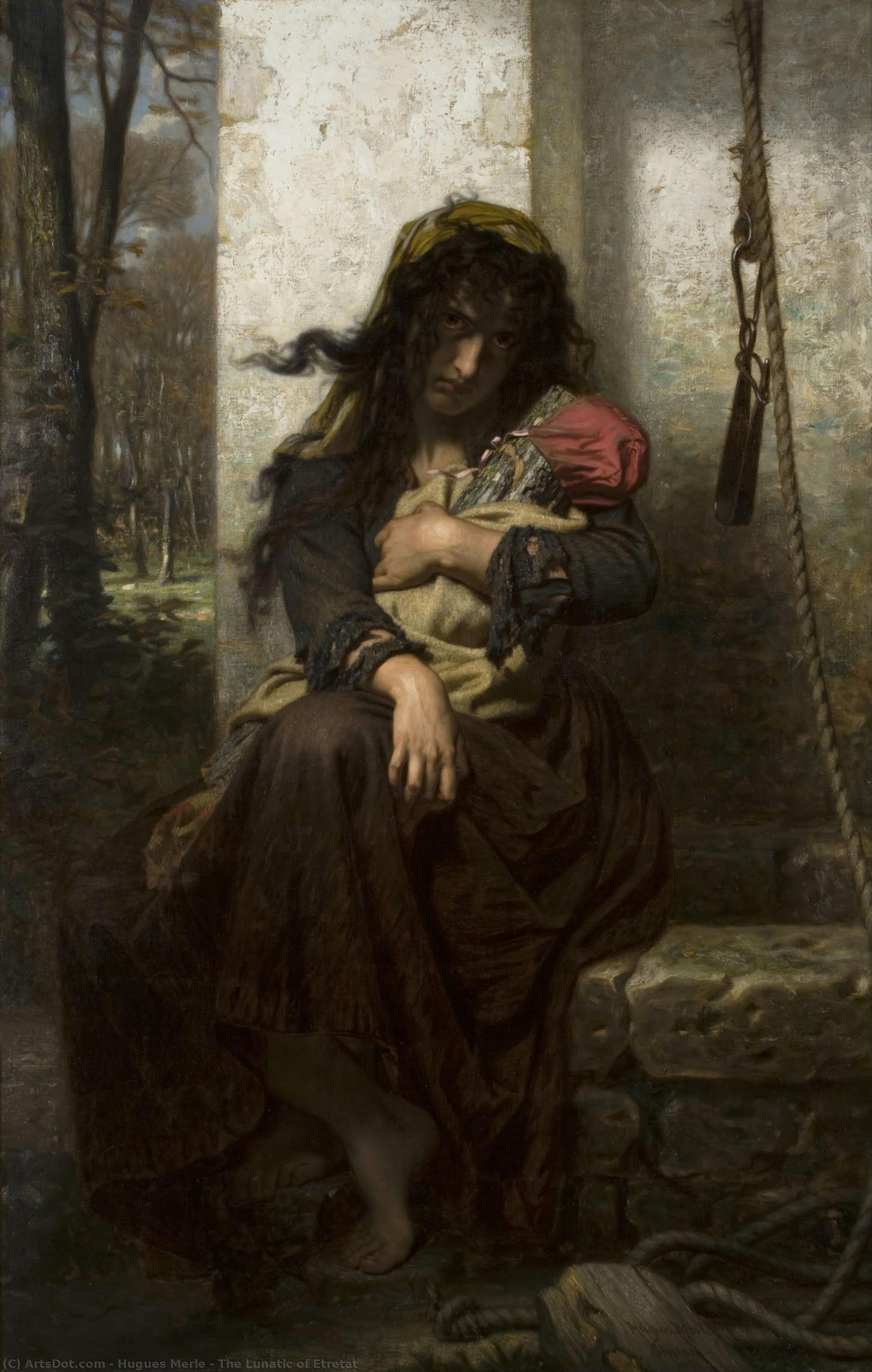
The Lunatic of Etretat
複製画のサイズ
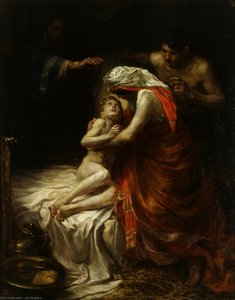
Hugues Merle’s 1871 painting, *The Lunatic of Étretat*, is not merely a portrait; it's a visceral exploration of grief, societal anxieties, and the burgeoning Romantic sensibility grappling with the realities of post-war France. The scene unfolds within a stark, almost desolate landscape – a weathered stone wall hints at a crumbling past, while a rough rope suggests both restraint and potential escape. At the heart of this tableau sits a woman whose face is a carefully constructed mask of suffering, yet beneath it lies an undeniable vulnerability. Her gaze, directed just beyond the viewer’s line, speaks volumes without uttering a word – a haunting blend of despair, longing, and perhaps even a touch of defiant sorrow.
Merle, trained under Léon Cogniet in the traditions of Academic realism, skillfully employs a technique that balances meticulous observation with an expressive emotionality. The brushstrokes are deliberate yet fluid, creating a sense of movement within the figure’s posture and the folds of her clothing. Notice how he uses light to sculpt the face – highlighting the hollows of her cheeks and emphasizing the intensity in her eyes. This isn't a cold, clinical depiction; Merle imbues the scene with warmth through subtle color choices and an almost tactile quality to his rendering of fabric and texture.
The painting’s historical context is crucial to understanding its deeper resonance. Completed in 1871, just a year after France's humiliating defeat in the Franco-Prussian War, *The Lunatic of Étretat* can be interpreted as a reflection of the nation’s collective trauma. Merle himself was deeply affected by this period of upheaval, and many art historians believe that the woman’s anguish mirrors the broader sense of loss and disillusionment felt throughout France. The log she cradles – not a sleeping infant, but a piece of wood – has been widely interpreted as a potent symbol: perhaps representing lost territory, shattered dreams, or even the remnants of a broken family. It's a tangible reminder of what was irrevocably lost.
Furthermore, the inclusion of the “sanpaku” eyes—the unsettlingly wide-open sockets – adds another layer of complexity. This traditional Japanese aesthetic, often associated with misfortune and imbalance, suggests a deeper psychological disturbance beyond simple grief. Merle’s use of this element elevates the painting from a straightforward portrait to a study in emotional instability and potential madness, aligning it with the Romantic fascination with the darker aspects of human experience.
While interpretations abound, *The Lunatic of Étretat* resists easy categorization. Is she truly mad, consumed by delusion? Or is she a carefully constructed representation of female hysteria – a common diagnosis at the time that often pathologized women’s emotional responses? The painting deliberately avoids offering definitive answers, instead inviting viewers to contemplate the complexities of grief and the societal pressures placed upon women in 19th-century France. Her posture suggests both vulnerability and a fierce determination to endure, hinting at a resilience born from profound suffering.
The overall effect is profoundly moving. Merle doesn’t simply depict sadness; he captures its essence – the weight of unspoken sorrow, the yearning for something lost, and the quiet dignity with which one confronts unimaginable pain. *The Lunatic of Étretat* remains a powerful testament to the enduring capacity of art to explore the darkest corners of the human heart and to reflect the anxieties of an era.

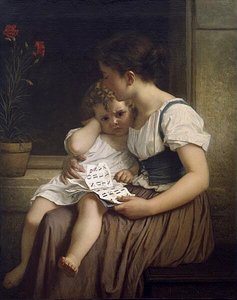
1822 - 1881 , フランス

Explore 10 iconic portrait paintings – from Mona Lisa to Van Gogh’s self-portraits. Discover the stories behind these masterpieces, artistic techniques & find museum-quality art reproductions for your home at Most-Famous-Paintings.com.
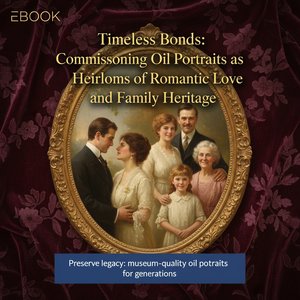
Commission a timeless oil portrait from skilled artists at Most-Famous-Paintings. Preserve your family's legacy with museum-quality paintings, crafted to cherish for generations. Expert guidance & personalized service.

Explore the captivating world of vintage portrait art! Discover styles, techniques & the enduring appeal of 19th-century masterpieces. Expert restoration, custom reproductions & appraisal services at Most-Famous-Paintings.

ロマンティック様式の結婚肖像画で、二人の愛を永遠に。手描き複製画からカスタムメイドまで、高品質なアート作品をご提供。制作プロセスやインテリアコーディネート術もご紹介します。信頼のMost-Famous-Paintings.com。
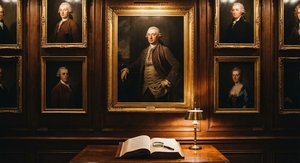
Explore 25 captivating portraits by Sir Joshua Reynolds, a master of British art. Discover stories behind his iconic paintings, elegant style & historical influence. Find museum-quality reproductions and elevate your home decor on Most-Famous-Paintings.com.


最新の美術ニュース、限定オファー、そしてインテリアのアイデアをいち早くお届けします。
お客様のプロジェクトについてお聞かせください。当社の美術専門家が、お客様に合わせた3つのパーソナライズされた芸術提案をご提供いたします。
あなたにぴったりの3作品を無料で厳選いたします


 プリントを購入
 シェアする
シェアする シェアする
シェアする
 詳細を見る
詳細を見る

 ダウンロード
 似ている作品
 X線調査
X線調査 スライドショー
 詳細を見る
詳細を見る









 ガラスオプションは、110cm未満のサイズでのみご利用いただけます。