


x
 1988
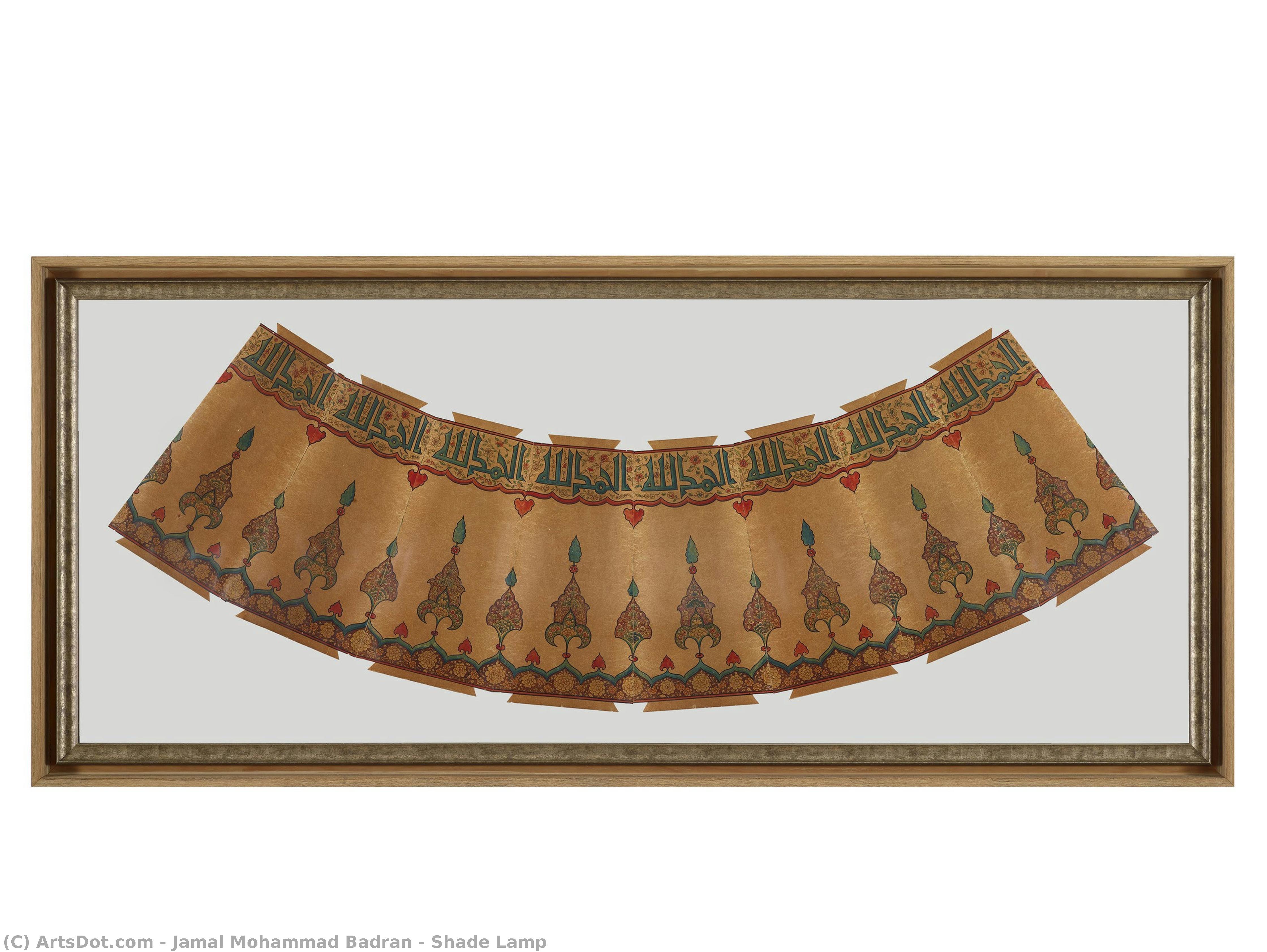
1988 70.0 x 193.0 cm
 The Ramzi and Saeda Dalloul Art Foundation
オンラインプレビューをはるかに凌ぐ、高解像度で鮮明なデジタル画像をご購入いただけます。
各ファイルは、社内の専門家が高度なツールと熟練した手作業によるレタッチを用いて、細心の注意を払って準備されています。すべての画像において、卓越した鮮明度、正確な色彩再現性、そして繊細なディテールを保証いたします。
最終ファイルは、プロフェッショナルな編集・印刷環境ですぐにご利用いただけるよう最適化された状態で、72時間以内にメールにてお届けいたします。これは、一流のデザインスタジオ、出版社、ギャラリーから信頼されているものと同等の品質です。
Most-Famous-Paintings.com を選ぶことは、単に画像を手に入れることではありません。それは、プロの手によって精密に仕上げられ、満足保証が付いた高品質なデジタルアートワークを受け取ることを意味します。ご注文いただいた際に自動的に付随する内容は、以下の通りです:

ご注文から72時間以内に、高解像度のデジタル画像ファイルがメールでお手元に届きます。すぐにそのままご利用いただけます。

お客様の作品は、高度なAIツールと専門家による手作業の編集を組み合わせてプロフェッショナルに最適化されており、細部のディテール、鮮明さ、そして正確な色再現性を最大限に引き出しています。

ファイルを誤って削除したり、紛失してしまったりしましたか?ご安心ください。いつでも無料で再送いたします。

関税や手数料、配送料を気にすることなく、お気に入りのアートワークをすぐにお楽しみいただけます。デジタルダウンロードは常に免税です。

プロ仕様のツールとカラーマネジメント技術を用いることで、デジタル画像が元の色を最大限に忠実に再現することを保証いたします。

ご購入いただいたデジタル画像にご満足いただけない場合は、60日以内であれば、修正または100%の返金(理由を問う必要はありません)をさせていただきます。

ご満足いただけない場合は、デジタルファイルを受け取ってから60日以内であれば、理由を問わず全額返金いたします。

3枚購入で10%OFF - 5枚購入で15%OFF - 10枚以上購入で20%OFF。クリエイティブなプロジェクト、ギャラリー、エージェンシーに最適です。

Born in the vibrant coastal city of Haifa in 1909, Jamal Mohammad Badran emerged as one of the most profound visual voices of the twentieth century. His life was not merely a journey through time, but a dedicated pilgrimage toward the preservation and celebration of Arab-Islamic aesthetics. From his earliest years, Badran was immersed in an environment where art and spirituality were inextricably linked. He often recalled being captivated by the mahmal—the ceremonial palanquin that traveled from Damascus to Mecca—whose gold-embroidered silks and intricate textures ignited a lifelong passion for the decorative arts. This early fascination with the interplay of light, texture, and sacred geometry would become the cornerstone of his monumental career.
Badran’s artistic development was marked by an extraordinary academic rigor that bridged the traditions of the East with the technical mastery of the West. His education began in Cairo at the Hamzawi School, where he immersed himself in the classical foundations of Islamic art. Seeking to expand his repertoire, he later traveled to London to study at the Central College of Arts and Crafts. This period of intense training allowed him to master a diverse array of disciplines, including ceramics, metalwork, textile design, and bookbinding. By blending the disciplined rules of Arabic calligraphy with Western technical precision, Badran developed a unique language capable of expressing both the ancient soul of Palestine and the evolving modern world.
The true significance of Badran’s work lies in his role as a guardian of cultural memory. Perhaps his most heroic achievement occurred following the tragic arson of the Al-Aqsa Mosque and the Dome of the Rock in 1968. Tasked with the monumental responsibility of restoring these sacred sites, Badran led teams through years of arduous labor to recreate architectural decorations that had been lost to flame. His meticulous hand breathed life back into carved wood, ceramics, and the delicate Kufic calligraphy of the mosque's pulpit, or minbar. Through this work, he did more than repair structures; he restored a sense of continuity and identity to a people facing profound historical upheaval.
Beyond the grand scale of architectural restoration, Badran’s personal oeuvre remains a testament to the beauty of the applied arts. His mastery extended into various media, where he utilized:
Badran’s impact reached far beyond the borders of Palestine. As an educator commissioned by UNESCO, he traveled to Libya to teach art in Tripoli and Benghazi, spreading the principles of Islamic decorative arts across the Arab world. His studio and his classrooms became sanctuaries for a new generation of artists, where he instilled a deep respect for traditional rules while encouraging the technical innovation necessary for modern expression. Whether working on commissions for royal palaces or creating graphics for private homes, his hand was always guided by a sense of duty to his heritage.
When Jamal Mohammad Badran passed away in 1999, he left behind a legacy that is etched into the very stones of Jerusalem’s most sacred monuments and woven into the fabric of Middle Eastern art history. He remains a symbol of resilience—an artist who used the precision of his craft to mend the fractures of history, ensuring that the luminous beauty of Islamic ornamentation would continue to inspire generations to come.

1909 - 1999 , Palestine


最新の美術ニュース、限定オファー、そしてインテリアのアイデアをいち早くお届けします。
お客様のプロジェクトについてお聞かせください。当社の美術専門家が、お客様に合わせた3つのパーソナライズされた芸術提案をご提供いたします。
あなたにぴったりの3作品を無料で厳選いたします


 プレビュー
プレビュー
 プリントを購入
 シェアする
シェアする シェアする
シェアする
 詳細を見る
詳細を見る

 ダウンロード
 似ている作品
 X線調査
X線調査 スライドショー
 詳細を見る
詳細を見る





