x
迅速な制作と多彩な仕上げオプションを備えた、ミュージアムクオリティのジークレーまたはキャンバスプリント。 ( 手描きの絵画を購入 画像を購入)





























作品のオリジナル比率に合わせた、当店の規定サイズからお選びください。

特定のフレームやスペースに合わせて、ご自身でサイズを指定することも可能です。選択されたサイズが元の画像の比率と一致しない場合、作品をトリミングするか、鏡面反射または単色での塗りつぶしによって画像を拡張いたします。制作を開始する前に、ご確認用のデジタルモックアップをお送りいたします。
画面上のプレビューには、実際のトリミングや拡張は反映されませんのでご注意ください。最終的な構図を正確に確認できるのは、モックアップのみとなります。
カスタムサイズも承っておりますが、元の比率を維持するためには、あらかじめ用意されたリストからサイズを選択することをお勧めいたします。

Grande vue de Mariakerke
複製画のサイズ
In the quietude of the Belgian countryside, there exists a scene that transcends mere topography to touch upon the very essence of nostalgia and solitude. James Ensor’s Grande vue de Mariakerke is not simply a depiction of a village nestled in a valley; it is an invitation into a world where the earth breathes through thick, textured strokes of paint. The composition unfolds as a sweeping vista, dominated by expansive fields of tall grasses and reeds that sway under the weight of a dramatic, heavy sky. At the heart of this landscape lies a small, tranquil village, anchored by a prominent church tower that reaches upward, acting as a silent sentinel between the terrestrial realm and the swirling, atmospheric heavens above. The horizontal format of the work emphasizes the immense breadth of the Belgian plains, creating an immersive experience that draws the viewer into a state of quiet contemplation.
The emotional resonance of this piece lies in its delicate balance between peace and a subtle, underlying melancholy. There is a profound sense of stillness, yet the landscape feels vibrantly alive, as if caught in a moment of transition between light and shadow. For the collector or the interior designer, this artwork offers a unique atmospheric depth; it possesses the ability to anchor a room with its grounded, earthy tones while simultaneously providing a window into a dreamlike, emotive space. It is a work that does not merely decorate a wall but breathes life into an environment, offering a sense of historical weight and poetic grace.
To look closely at Grande vue de Mariakerke is to witness the physical struggle and triumph of the artist’s hand. Ensor employs a masterful impasto technique, where the paint is applied so thickly that it creates a sculptural quality on the canvas. This tactile approach is most evident in the undulating fields of grass and the turbulent, billowing clouds, where every brushstroke contributes to a sense of movement and energy. The visible texture catches the light, creating miniature shadows within the painting itself, which lends an incredible depth to the vegetation and the sky.
While Ensor is often celebrated for his later, more grotesque and masked figures, this particular work reveals a profound stylistic kinship with the Impressionist movement, particularly the expressive spirit of Vincent van Gogh. The color palette is vibrant yet tempered by the naturalistic tones of the Belgian landscape—rich ochres, deep greens, and moody blues that coalesce under a diffused, overcast light. This use of color and gestural brushwork allows the artist to prioritize emotional impact over strict realism, utilizing atmospheric perspective to make distant objects appear paler and more ethereal. The result is a painting that feels less like a photographic record and more like a subjective, sensory memory of a place.
Historically, this work serves as a vital link in the evolution of modern art, capturing a pivotal moment when the traditions of landscape painting began to merge with the burgeoning movements of Expressionism. Born in Ostend, Ensor was a figure who bridged the gap between the observational beauty of Impressionism and the raw, psychological intensity of the 20th century. In Grande vue de Mariakerke, we see an artist experimenting with the landscape as a vessel for internal feeling, moving away from academic precision toward a more liberated, personal truth.
The symbolism within the piece is subtle yet profound. The church tower, a recurring motif in Ensor’s work, represents the enduring presence of community and faith amidst the vast, indifferent beauty of nature. The expansive, untamed fields evoke themes of isolation and the sublime, reminding the viewer of the smallness of human structures when compared to the eternal cycles of the natural world. For those seeking a high-quality reproduction, this painting offers more than just aesthetic beauty; it provides a piece of art history that speaks to the enduring human connection to the land, making it an exquisite choice for any curated collection or sophisticated interior design project.

ジェームズ・エンソは、ベルギーの画家であり彫刻家で、表現主義とシュルレアリスムに大きな影響を与えた人物です。彼は芸術グループ「レズヴィンジュ」の一員でした。彼の父親はイギリス人で母親はベルギー人でした。彼は幼少期に特にカルニバル文化に魅せられ、その時期には家族の店の周辺で販売されていたカルニバル用品が豊富な環境に育ちました。彼は美術アカデミーで学びましたが、伝統的な芸術形式に縛られることを嫌い、独自の道を歩む必要性を痛感しました。
エンソの初期の絵画はより伝統的なスタイルで描かれ、日常生活を陰鬱な色調で描写していました。例えば、『ロシア音楽』(1881)や『酔い酒場の人々』(1883)などです。これらの作品にもすでに現れる不安感のあるイメージが隠されておりました。彼は絵画における幻視主義や一点透視といった従来の技法を放棄し、独自の芸術的なビジョンを実現するために取り組む必要性を認識しました。彼の初期の作品は、特に表現主義に影響を与えた画家たちからの影響を受けました。
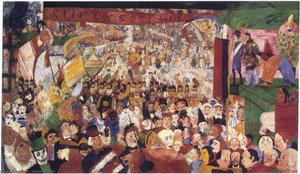
エンソは生涯を通じて多くの作品を生み出し、今日まで人々を驚かせ、魅了し続けています。『ロシア音楽』や『酔い酒場の人々』など初期の作品は、当時の社会規範に対する批判的な視点を持つ表現主義への転換を象徴しています。彼の最も有名な作品である『イエス・キリストのブルジュンの入場』は特に衝撃的で、宗教的な偽善と社会的な無関心に対する風刺です。この絵画は当初は厳しい批判を受けましたが、現在では傑作として高く評価されています。彼はまた、人間の本質を掘り下げようとする試みであり、社会規範に挑戦する勇気を求める芸術家たちへの道を切り開いた人物として歴史に名を残しました。
エンソは特にピエール・ブーデルのエルドャーやフランシスコ・ゴヤ、ウィリアム・ホイストルの芸術から影響を受けました。彼はこれらの影響を独自の芸術的な言語に融合させ、表現主義とシュルレアリスムという新しい芸術運動へと導きました。彼の作品は特にその大胆な筆使いと鮮やかな色彩で特徴づけられ、劇場的な質を備えていました。
ジェームズ・エンソは、ベルギーの画家であり彫刻家として、表現主義とシュルレアリスムに大きな影響を与えた人物です。彼は芸術グループ「レズヴィンジュ」の一員でした。彼の父親はイギリス人で母親はベルギー人でした。彼は美術アカデミーで学びましたが、伝統的な芸術形式に縛られることを嫌い、独自の道を歩む必要性を痛感しました。

1860 - 1949 , ベルギー

Explore the profound evolution of Post-Impressionist landscapes. From Van Gogh's emotional brushwork to Cézanne's structural mastery, discover how these visionaries redefined art history through color and form in this expert guide for fine art enthusiasts.


最新の美術ニュース、限定オファー、そしてインテリアのアイデアをいち早くお届けします。
お客様のプロジェクトについてお聞かせください。当社の美術専門家が、お客様に合わせた3つのパーソナライズされた芸術提案をご提供いたします。
あなたにぴったりの3作品を無料で厳選いたします


 プレビュー
プレビュー
 シェアする
シェアする シェアする
シェアする
 詳細を見る
詳細を見る

 ダウンロード
 似ている作品
 X線調査
X線調査 スライドショー

 詳細を見る
詳細を見る









 ガラスオプションは、110cm未満のサイズでのみご利用いただけます。