


x
迅速な制作と多彩な仕上げオプションを備えた、ミュージアムクオリティのジークレーまたはキャンバスプリント。 ( 手描きの絵画を購入 画像を購入)





























作品のオリジナル比率に合わせた、当店の規定サイズからお選びください。

特定のフレームやスペースに合わせて、ご自身でサイズを指定することも可能です。選択されたサイズが元の画像の比率と一致しない場合、作品をトリミングするか、鏡面反射または単色での塗りつぶしによって画像を拡張いたします。制作を開始する前に、ご確認用のデジタルモックアップをお送りいたします。
画面上のプレビューには、実際のトリミングや拡張は反映されませんのでご注意ください。最終的な構図を正確に確認できるのは、モックアップのみとなります。
カスタムサイズも承っておりますが、元の比率を維持するためには、あらかじめ用意されたリストからサイズを選択することをお勧めいたします。

Three Flags
複製画のサイズ
In the pantheon of twentieth-century American art, few works command the room with as much tactile authority as Jasper Johns’ Three Flags. Created in 1958, this monumental achievement is far more than a mere depiction of national iconography; it is a profound exploration of how we perceive the world around us. At first glance, the viewer is met with a striking, tiered arrangement of three American flags, stacked vertically and decreasing in size as they move toward the background. However, Johns employs a brilliant subversion of classical perspective. Instead of receding into the distance, the canvases appear to project outward, invading the viewer's personal space and creating an object-like quality that blurs the line between a flat painting and a three-dimensional sculpture.
For the discerning collector or interior designer, this piece offers a unique architectural dimension. It does not simply hang on a wall; it inhabits the room. The way the smallest flag sits atop the larger ones creates an illusion of depth that can transform a minimalist gallery space or add a sophisticated, intellectual focal point to a contemporary study. It is a work that demands close inspection, rewarding the observer with a complex interplay of light and shadow that changes as one moves around it.
The true soul of Three Flags lies in its extraordinary surface. Johns utilized the ancient technique of encaustic—a method involving pigments mixed with heated beeswax—to achieve a level of textural richness that is almost unparalleled in modern painting. As the wax cooled, it captured every deliberate mark, stamp, and fragment of newspaper, resulting in a sensuous, variegated surface that feels both rugged and luminous. This thick, sculptural application of medium gives the red, white, and blue stripes a physical weight, making the familiar symbols of the flag feel grounded and visceral.
Beyond its technical brilliance, the painting serves as a cornerstone of the Neo-Dada movement. By choosing an emblem as ubiquitous and "seen but not looked at" as the American flag, Johns challenged the emotive excesses of Abstract Expressionism. He took a symbol that the mind already knows and forced the eye to truly examine it. Through this process, he stripped away the purely political or patriotic connotations of the flag, refocusing the viewer's attention on its geometric patterns, its colors, and the very essence of its form. It is a masterful exercise in turning the familiar into something extraordinary.
Integrating a high-quality reproduction of Three Flags into a curated collection allows one to bring a piece of art history into the modern home. The painting’s palette—a classic combination of deep reds, crisp whites, and authoritative blues—is inherently versatile, complementing both mid-century modern aesthetics and ultra-contemporary decor. It provides a sense of historical gravity while maintaining a bold, avant-garde edge that remains strikingly relevant.
To own a piece inspired by this work is to possess a fragment of the moment when art redefined itself for the post-war era. It is an invitation to contemplate the boundaries between abstraction and representation, and a celebration of the beauty found in the textures of everyday life. Whether placed in a high-end residential setting or a professional design studio, Three Flags continues to inspire awe, provocation, and a deep appreciation for the transformative power of the artist's hand.

1930 - , アメリカ合衆国

ジョン・シンガー・サージェントの至高の25選。肖像画、写実主義、光と影の表現が美しい作品群を紐解きます。マダムXや少女の肖像など、時代を超えて愛される名作をMost-Famous-Paintingsで鑑賞。高品質なアート複製で、お部屋に美術館のような空間を。今すぐコレクションをご覧ください。

Discover the power of Neo-Abstract art. Explore how bold geometric forms and high-impact visual energy are redefining modern design. Learn to curate sophisticated, high-energy spaces with the latest trends in contemporary abstraction and structural color.
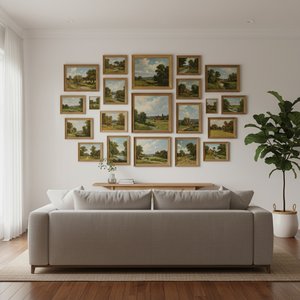
ジョン・コンスタブルの傑作25選。英国風景画の巨匠が描く自然と光の詩の世界へ。ロマン主義を代表する絵画、デダム・ヴェールやヘイ・ウェインなど、Most-Famous-Paintingsで高品質なアートプリントをお楽しみください。インテリアに深みと感動を。コレクションはこちら。

Explore the profound evolution of Neo-Abstract art. Discover how bold geometric forms, vibrant chromatic depth, and tactile textures redefine modern expression for the discerning collector seeking sophisticated, high-impact masterpieces for contemporary interiors.

抽象表現主義を定義する10の傑作。ポロック、ロスコら巨匠たちの情熱と色彩の世界へ。各作品に込められた物語と技法を紐解き、至高のアート体験を。Most-Famous-Paintings.comで、ミュージアムクオリティの複製画や洗練されたインテリアアイデアを発見してください。


最新の美術ニュース、限定オファー、そしてインテリアのアイデアをいち早くお届けします。
お客様のプロジェクトについてお聞かせください。当社の美術専門家が、お客様に合わせた3つのパーソナライズされた芸術提案をご提供いたします。
あなたにぴったりの3作品を無料で厳選いたします


 プレビュー
プレビュー
 シェアする
シェアする シェアする
シェアする
 詳細を見る
詳細を見る

 ダウンロード
 似ている作品
 X線調査
X線調査 スライドショー

 詳細を見る
詳細を見る









 ガラスオプションは、110cm未満のサイズでのみご利用いただけます。


