作品を販売する
ウィッシュリスト ショッピングカート Cart
x
プレビュープレビュー ARで試着ARで試着 手描きの絵画を購入 手描きの絵画を購入画像を購入 画像を購入 シェアするシェアする
詳細を見る詳細を見る お気に入りに追加 お気に入りに追加 ダウンロードダウンロード 似ている作品似ている作品 X線調査X線調査 スライドショースライドショー

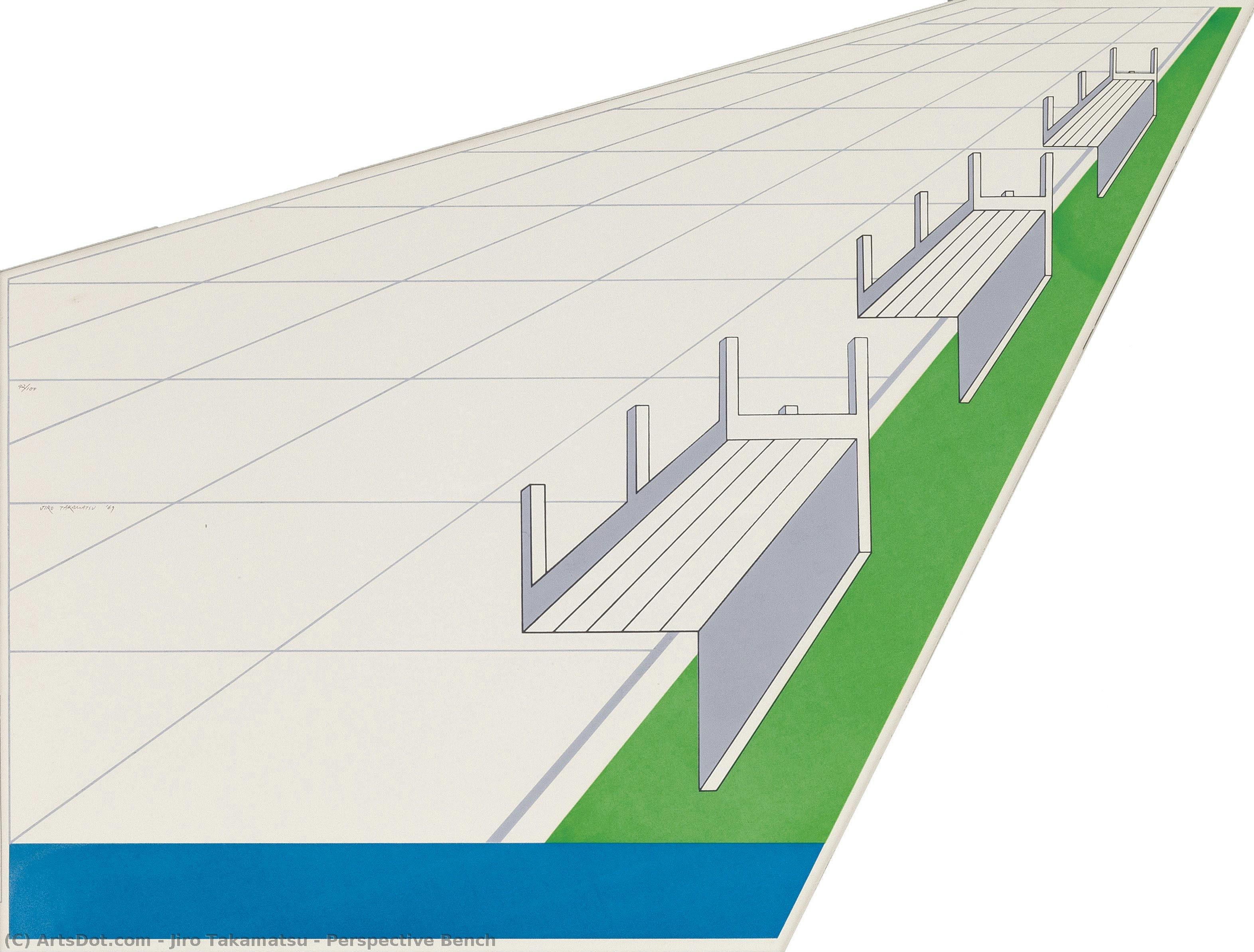
Perspective Bench

Explore Jiro Takamatsu’s ‘Perspective Bench,’ a striking geometric abstraction of a retaining wall. Digital rendering showcases precise lines & muted tones – minimalist, architectural, and captivating.

Explore Jiro Takamatsu's unique art: sculptural shadows, Tokyo cityscapes & Fluxus influence. Post-war Japanese artist known for volume & perspective.

ジークレー/アートプリント

迅速な制作と多彩な仕上げオプションを備えた、ミュージアムクオリティのジークレーまたはキャンバスプリント。 (手描きの絵画を購入 手描きの絵画を購入画像を購入 画像を購入)

Standard
custom
CM
INCH

作品のオリジナル比率に合わせた、当店の規定サイズからお選びください。

高さ

特定のフレームやスペースに合わせて、ご自身でサイズを指定することも可能です。選択されたサイズが元の画像の比率と一致しない場合、作品をトリミングするか、鏡面反射または単色での塗りつぶしによって画像を拡張いたします。制作を開始する前に、ご確認用のデジタルモックアップをお送りいたします。
画面上のプレビューには、実際のトリミングや拡張は反映されませんのでご注意ください。最終的な構図を正確に確認できるのは、モックアップのみとなります。
カスタムサイズも承っておりますが、元の比率を維持するためには、あらかじめ用意されたリストからサイズを選択することをお勧めいたします。

世界中への配送()は、標準の4〜5週間ではなく、2週間でお届けいたします。(13 8月)

why_choose_icon
世界中へ無料エクスプレス配送
why_choose_icon
高品質なリネンキャンバス
why_choose_icon
配送時完全保険付
why_choose_icon
関税・輸入税の払い戻し保証
why_choose_icon
忠実な色彩再現保証
why_choose_icon
60日間返品保証(製造上の欠陥のみ)
why_choose_icon
100% 全額返金保証
why_choose_icon
まとめ買い割引のご案内

合計金額

$ 68

reproduction

Perspective Bench

ジークレー/アートプリント

複製画のサイズ

-

合計金額

$ 68


アーティストの略歴

The Architecture of Absence

To encounter the work of Jiro Takamatsu is to enter a profound dialogue with the unseen. He was an artist who did not merely sculpt form, but rather sculpted the very air around it, capturing the ephemeral weight of shadows and the haunting silence of the void. Born in Tokyo in 1936, Takamatsu emerged as a pivotal figure in the postwar Japanese avant-garde, a master of the liminal space where light meets darkness. His practice was never about the mere accumulation of matter; instead, it was an investigation into the poetics of absence, a relentless pursuit to find the essence of reality within the smallest, most fundamental geometric components.

His early explorations were deeply rooted in the rigorous study of Western modernism, particularly the structural legacies of Cézanne. This intellectual foundation, cultivated at the Tokyo University of Fine Arts and Music, provided him with the tools to dissect form and volume. Yet, Takamatsu’s vision quickly transcended traditional painting. He sought to challenge the very mechanics of human cognition, using materials to create illusions that force the viewer to question their own perception. Through his hands, a simple line or a geometric shape became a gateway to understanding the Zero Dimension—a concept where an object is reduced to its most basic constituent elements, representing both the ultimate division and the profound emptiness of existence.

From Gutai Energy to Hi Red Center Interventions

The trajectory of Takamatsu’s career was marked by a radical departure from institutional boundaries. In his formative years, his association with the Gutai Art Association signaled a decisive break from conventional art practices. Alongside contemporaries like Natsuyuki Nakanishi, he embraced an ethos of direct engagement with materials and the rejection of traditional exhibition spaces. This period of intense experimentation laid the groundwork for his later, more conceptual endeavors, where the boundaries between art and life began to dissolve entirely.

In 1963, Takamatsu co-founded the legendary collective Hi Red Center with Genpei Akasegawa and Natsuyuki Nakanishi. This group became synonymous with audacious public interventions that disrupted the established hierarchies of the art world. Their actions were designed to provoke, to challenge the assumptions of the urban dweller, and to transform the mundane streets of Tokyo into a stage for conceptual performance. By bringing art out of the gallery and into the chaotic rhythm of the city, Takamatsu helped redefine the role of the artist as an agent of social and perceptual disruption.

The Mastery of Perspective and Shadow

Perhaps the most captivating aspect of Takamatsu’s legacy lies in his ability to manipulate perspective and distortion. He utilized photography, sculpture, and drawing to create works that act as optical puzzles. One might consider the following hallmarks of his technical brilliance:
  • Shadow Sculpture: The use of light to project three-dimensional forms onto surfaces, making the intangible shadow appear as a physical presence.
  • The Perspective Bench: A striking geometric abstraction that uses precise lines and muted tones to manipulate the viewer's sense of depth and architectural space.
  • Morphological Devices: The application of tautology and appropriation to investigate how we recognize and interpret objects in our environment.
Through these methods, Takamatsu achieved a state of perceptual tension. He would isolate the smallest particles of form to observe their fundamental nature, asserting that these tiny elements are what ultimately produce reality. His work remains a haunting reminder of the limits of human sight, inviting us to look past the surface and contemplate the beautiful, terrifying emptiness that lies beneath the skin of the visible world. His contribution to the movements of Minimalism and Fluxus continues to resonate, marking him as an artist who truly mastered the art of making nothingness felt.
jiro takamatsu

jiro takamatsu

1936 - 1998 , Japan

基本情報

  • Artistic Movement Or Style: Postwar Japanese Art; Conceptual Art; Mono-Ha
  • Artists Or Movements Influenced By This Artist: ['Conceptual Art']
  • Artists Who Influenced This Artist:
    • Paul Cézanne
    • Sesshū Tōyō
  • Date Of Birth: February 20, 1936
  • Date Of Death: June 25, 1998
  • Full Name: Jiro Takamatsu
  • Nationality: Japanese
  • Notable Artworks:
    • Perspective Bench
    • Young Woman Jumping From The Kiyomizu Temple Balcony With An Umbrella As A Parachute
  • Place Of Birth: Tokyo, Japan