


x





























作品のオリジナル比率に合わせた、当店の規定サイズからお選びください。

特定のフレームやスペースに合わせて、ご希望のサイズをご入力いただけます。選択されたサイズが元の画像の比率と異なる場合、アートワークをトリミングするか、手描きで要素を追加して絵画を拡張いたします。デジタルモックアップ を制作し、制作開始前にご確認(承認)をいただきます。
画面上のプレビューは、実際のトリミングや拡張を正確に反映しているものではありません。最終的な構図は、モックアップによってのみ正確にご確認いただけます。
カスタムサイズもご利用いただけますが、元の比率を維持するためには、あらかじめ用意されたリストからサイズを選択することをお勧めいたします。

George Boone Roupell
複製画のサイズ
John Singleton Copley’s “George Boone Roupell,” painted in 1779, isn't merely a likeness; it’s a carefully constructed tableau of colonial identity and restrained elegance. The portrait captures a man – George Boone Roupell himself – standing on what appears to be a rocky precipice, a subtle yet powerful landscape serving as the backdrop for his presence. Copley, a pivotal figure bridging the artistic worlds of England and America, masterfully employed his signature technique: an almost photographic realism combined with a keen understanding of light and shadow, creating a sense of palpable depth and immediacy. The painting’s strength lies not just in its accurate depiction of Roupell's features – the crispness of his jawline, the thoughtful cast of his eyes – but also in the subtle suggestion of character conveyed through posture and expression.
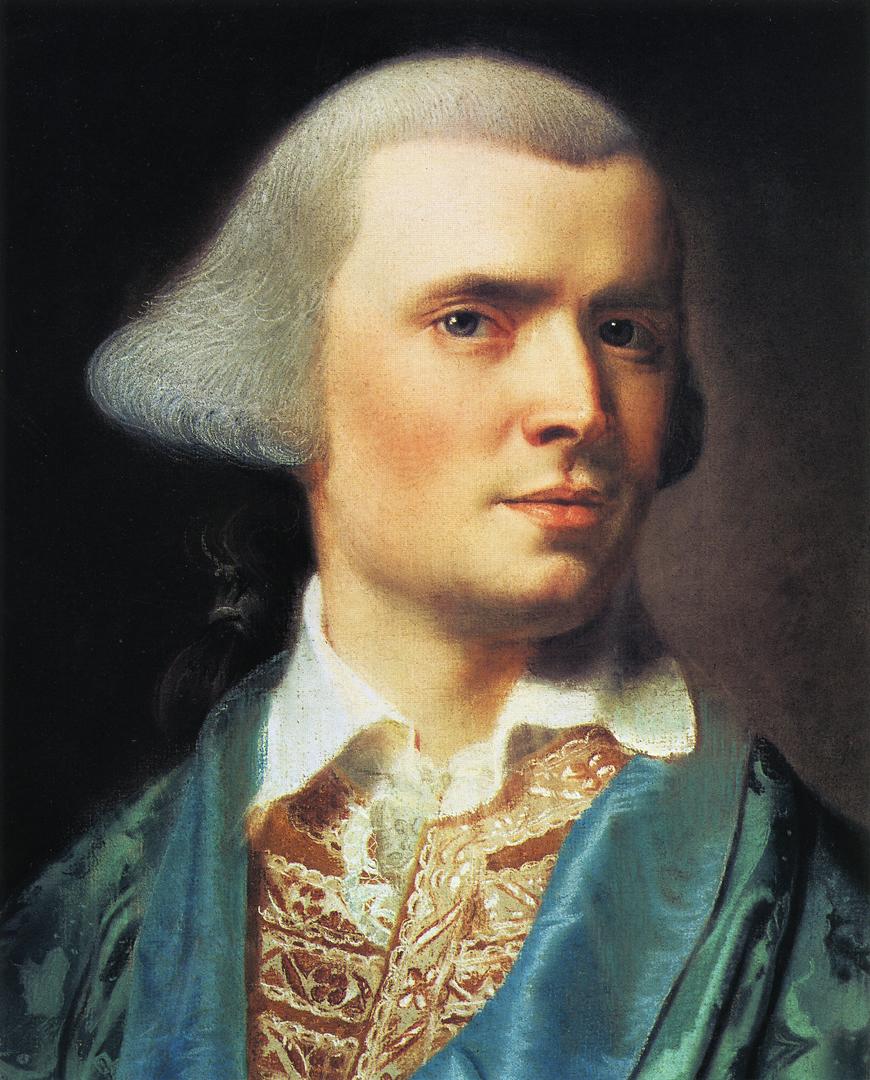
The composition itself is meticulously balanced. Roupell’s dark clothing, a rich burgundy hue, anchors the figure against the lighter tones of the rocky terrain and the distant trees. The stark white stockings and black shoes provide a striking contrast, emphasizing his formality and status within colonial society. Notice how Copley uses light to sculpt Roupell's form – highlighting the texture of his coat, the curve of his hand resting on his walking stick, and the subtle shadows that define his face. This attention to detail speaks volumes about Copley’s dedication to capturing not just appearance but also the very essence of his subject.
To fully appreciate “George Boone Roupell,” it's essential to understand the broader context of portrait painting during the late 18th century in America. Portraits weren’t simply decorative; they were powerful statements of wealth, status, and social standing. Commissioning a portrait was an investment – a visible declaration of success and a way to secure one’s legacy. Copley, operating within this framework, skillfully navigated the expectations of his wealthy patrons while simultaneously forging a distinctly American artistic style. His work reflects both the influence of European traditions, particularly those of Sir Thomas Lawrence in England, and a growing desire to represent subjects authentically – capturing not just their outward appearance but also their inner character.
The painting’s setting—a rocky hillside—adds another layer of meaning. It suggests a connection to the land, a grounding force amidst the complexities of colonial life. The distant trees hint at the vastness and potential of America, while the rugged terrain speaks to resilience and fortitude – qualities valued in the early settlers.
Beyond its technical brilliance, “George Boone Roupell” resonates with a quiet dignity and understated confidence. Roupell’s gaze is direct yet not confrontational; his posture suggests self-assuredness without arrogance. The walking stick, a common symbol of authority and experience, reinforces this impression. Copley doesn't offer us a dramatic or theatrical portrait; instead, he presents a carefully observed study of a man – a man of his time, embodying the values and aspirations of colonial society.
The painting’s emotional impact is subtle yet profound. It evokes a sense of stability, tradition, and quiet strength—qualities that are often associated with the early American experience. It's a portrait that invites contemplation, prompting us to consider not just the appearance of George Boone Roupell but also the story he represents.
Reproductions of “George Boone Roupell” offer an accessible way to appreciate Copley’s artistry and the historical context of this remarkable portrait. Whether displayed as a fine art print, canvas reproduction, or even incorporated into interior design schemes, this painting continues to captivate viewers with its technical mastery, nuanced symbolism, and enduring appeal. It serves as a poignant reminder of a pivotal moment in American history—a time of transformation, ambition, and the forging of a new national identity.


1738 - 1815 , イギリス連邦

ジョン・シンガー・サージェントの至高の25選。肖像画、写実主義、光と影の表現が美しい作品群を紐解きます。マダムXや少女の肖像など、時代を超えて愛される名作をMost-Famous-Paintingsで鑑賞。高品質なアート複製で、お部屋に美術館のような空間を。今すぐコレクションをご覧ください。

ジョン・コンスタブルの傑作25選。英国風景画の巨匠が描く自然と光の詩の世界へ。ロマン主義を代表する絵画、デダム・ヴェールやヘイ・ウェインなど、Most-Famous-Paintingsで高品質なアートプリントをお楽しみください。インテリアに深みと感動を。コレクションはこちら。

Explore the captivating world of Gwen John, a pioneering Welsh artist renowned for her intimate portraits & subtle style. Discover her life, legacy, and how to bring her timeless beauty into your home with Most-Famous-Paintings.

Explore the life & work of John Hoppner, a leading Georgian portraitist. Discover his vibrant style, influential patrons, and lasting impact on British art history. Expert insights for collectors.

Explore the rich history of formal portraiture & its enduring power to capture identity and shape perception. Discover investment-worthy artworks, expert appraisals, and custom reproduction services at Most-Famous-Paintings.


最新の美術ニュース、限定オファー、そしてインテリアのアイデアをいち早くお届けします。
お客様のプロジェクトについてお聞かせください。当社の美術専門家が、お客様に合わせた3つのパーソナライズされた芸術提案をご提供いたします。
あなたにぴったりの3作品を無料で厳選いたします


 プレビュー
プレビュー
 プリントを購入
 シェアする
シェアする シェアする
シェアする
 詳細を見る
詳細を見る

 ダウンロード
 似ている作品
 X線調査
X線調査 スライドショー


 詳細を見る
詳細を見る









 ガラスオプションは、110cm未満のサイズでのみご利用いただけます。


