x
 PaintingTransvanguardia
 1984Contemporary
 219.0 x 212.0 cm
 Culturgest - Fundação Caixa Geral de Depósitos




























作品のオリジナル比率に合わせた、当店の規定サイズからお選びください。

特定のフレームやスペースに合わせて、ご希望のサイズをご入力いただけます。選択されたサイズが元の画像の比率と異なる場合、アートワークをトリミングするか、手描きで要素を追加して絵画を拡張いたします。デジタルモックアップ を制作し、制作開始前にご確認(承認)をいただきます。
画面上のプレビューは、実際のトリミングや拡張を正確に反映しているものではありません。最終的な構図は、モックアップによってのみ正確にご確認いただけます。
カスタムサイズもご利用いただけますが、元の比率を維持するためには、あらかじめ用意されたリストからサイズを選択することをお勧めいたします。

Cara e Coroa
複製画のサイズ

In the landscape of Brazilian contemporary art, few voices resonate with as much profound vulnerability and quiet strength as that of José Leonilson Bezerra Dias. Born in Fortaleza in 1957, Leonilson’s life and work were inextricably linked to the shifting political and social tides of Brazil. Moving to São Paulo as a child, he came of age during the twilight of the military dictatorship, a period that fostered a burgeoning sense of individual expression and a rediscovered "joy of painting" among the 1980s generation. Yet, while his contemporaries often engaged in loud, political critiques, Leonilson chose a different path—one of radical introspection. His art did not shout; it whispered, creating a private diary of existence that was simultaneously deeply personal and universally poignant.
Leonilson’s formal education provided the technical foundation for his later conceptual explorations. Studying at the Fundação Armando Álvares Penteado (FAAP) between 1977 and 1980, he was mentored by titans of Brazilian art such as Julio Plaza and Nelson Leirner. From Plaza, he absorbed the theoretical complexities of new mediums and the conceptual weight behind materiality; from Leirner, he learned the power of allegory. His time at the Aster Art School under Dudi Maia Rosa further refined his sensitivity to watercolor and the delicate interplay of light and form. These influences coalesced into a style that was deceptively simple, characterized by an elegant restraint that masked a turbulent emotional depth.
The trajectory of Leonilson’s career underwent a seismic shift in 1991, following his diagnosis with HIV. This moment of profound personal crisis transformed his artistic language, moving him away from traditional painting toward the more tactile, intimate medium of embroidery and textile work. As he faced the encroaching reality of death, his work became a metaphysical rumination on the body, loss, and the queer experience. He began to use thread as a tool for mapping both physical and emotional landscapes, creating pieces that functioned as body mappings—delicate, stitched chronicles of a life being lived in the shadow of an epidemic.
His use of textiles allowed him to explore themes that were often too fragile for the canvas. Through meticulous embroidery, he wove together a lexicon of symbols and text, turning domestic crafts into high-concept art. These works addressed:
Though his life was tragically short—ending in 1993 at the age of 36—Leonilson’s impact on the global art stage is monumental. He successfully adapted the political discourse of a global epidemic into a deeply personal, existential narrative that transcends borders. His ability to blend Brazilian vernacular traditions with international conceptual practices has earned him a permanent place in the world's most prestigious institutions. Today, his works are held in the collections of the Tate Modern in London, the Museum of Modern Art (MoMA) in New York, and the Centre National d’Art et de Culture Georges-Pompidou in Paris.
Leonilson remains a seminal figure because he dared to make the private public. In an era often defined by grand gestures, his commitment to the small, the delicate, and the intensely personal serves as a testament to the power of the individual spirit. His legacy continues to breathe through his embroideries and drawings, reminding us that even in the face of profound grief, there is a profound beauty to be found in the act of witnessing one's own existence.

1957 - 1993 , Brazil

マーク・ロスコの傑作25選。抽象表現主義を代表する巨匠、色彩が織りなす深遠な世界を探求します。絵画の背景や技法、感動的なストーリーを紐解き、Most-Famous-Paintingsで高品質なアートプリントをお楽しみください。リビングやオフィスにモダンアートを飾るなら!

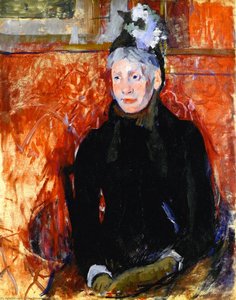
Explore the rich symbolism of the red dress in art history! From ancient power displays to iconic portraits like Cézanne’s 'Madame Cezanne', discover the cultural and artistic significance behind this captivating color. Expert analysis & insights.
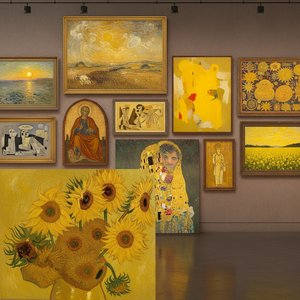
Immerse yourself in golden light! Explore 10 famous paintings dominated by 'Chrome Yellow', from Van Gogh’s Sunflowers to Monet's Haystacks. Discover the stories behind these iconic Impressionist & Post-Impressionist masterpieces and find museum-quality art reproductions at Most-Famous-Paintings.com.

Explore the rich symbolism & emotional power of yellow in art history! From Van Gogh to Kandinsky, discover how artists used this vibrant hue. Expert analysis & high-quality reproductions at Most-Famous-Paintings.
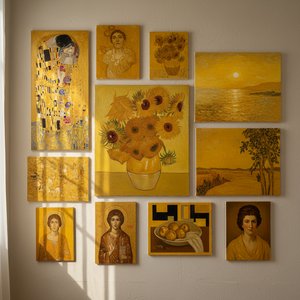
Explore 10 iconic paintings bathed in golden yellow ochre! From Van Gogh's sunflowers to Monet’s haystacks, discover the stories behind these masterpieces. Find museum-quality art reproductions & elevate your home decor on .


最新の美術ニュース、限定オファー、そしてインテリアのアイデアをいち早くお届けします。
お客様のプロジェクトについてお聞かせください。当社の美術専門家が、お客様に合わせた3つのパーソナライズされた芸術提案をご提供いたします。
あなたにぴったりの3作品を無料で厳選いたします


 プレビュー
プレビュー
 プリントを購入
 シェアする
シェアする シェアする
シェアする
 詳細を見る
詳細を見る

 ダウンロード
 似ている作品
 X線調査
X線調査 スライドショー
 詳細を見る
詳細を見る









 ガラスオプションは、110cm未満のサイズでのみご利用いただけます。