x
 Contemporary Realism
 65.0 x 54.0 cm
作品のオリジナル比率に合わせた、当店の規定サイズからお選びください。

特定のフレームやスペースに合わせて、ご希望のサイズをご入力いただけます。選択されたサイズが元の画像の比率と異なる場合、アートワークをトリミングするか、手描きで要素を追加して絵画を拡張いたします。デジタルモックアップ を制作し、制作開始前にご確認(承認)をいただきます。
画面上のプレビューは、実際のトリミングや拡張を正確に反映しているものではありません。最終的な構図は、モックアップによってのみ正確にご確認いただけます。
カスタムサイズもご利用いただけますが、元の比率を維持するためには、あらかじめ用意されたリストからサイズを選択することをお勧めいたします。

Maternité
複製画のサイズ

Julia Beatrice How remains a somewhat overlooked figure in the annals of British art history, yet her paintings—particularly those produced during her formative years in France—hold a distinctive charm and capture a nuanced portrayal of motherhood and domestic life. Born in Devon to a family of silversmiths, How’s early life was marked by tragedy as both her parents succumbed to illness before she reached adulthood, shaping her resilience and fostering an independent spirit that would define her artistic journey. This early loss perhaps instilled in her the profound sensitivity with which she approached her subjects, finding beauty in the fleeting, tender moments of human connection.
Her formal education began at the Herkomer School at Bushey, Hertfordshire, where she honed her drawing skills alongside fellow artists preparing for careers in illustration and painting. However, it was a move to Paris around 1893 that truly propelled How’s artistic development. Drawn to the burgeoning Impressionist movement, she enrolled at the Académie Delecluse, immersing herself in the techniques championed by luminaries like Claude Monet and Pierre-Auguste Renoir—artists whose exploration of light and color profoundly impacted her own aesthetic sensibilities.
How quickly established herself as a respected artist within Parisian circles, gaining recognition from influential figures such as Auguste Rodin, Camille Claudel, and Lucien Simon. These encounters fostered an appreciation for sculptural form and expressive gesture, subtly informing the composition and emotional depth of her paintings. Her work began to reflect a sophisticated understanding of how light interacts with the human figure, moving beyond mere representation toward a more atmospheric and emotive experience.
Her debut exhibition at the Société nationale des beaux-arts in 1902 showcased a remarkable output—approximately 147 works—demonstrating her unwavering dedication to her craft and securing her place amongst the prominent painters of the era. Through this massive display, she proved herself not merely a student of the French masters, but a contributor to the vibrant dialogue of late 19th and early 20th-century art.
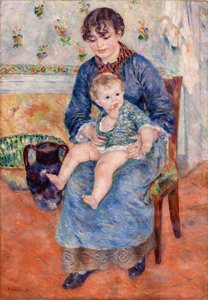
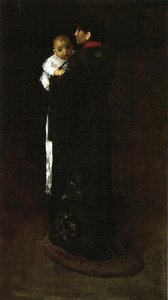
Her favored subjects included intimate portraits of mothers and children, rendered with meticulous detail and imbued with tenderness. In works such as Maternité and L'ombrelle bleu, one can observe her ability to transform the domestic sphere into a stage for profound emotional resonance. She skillfully employed various media to achieve her vision:
By blending these mediums, How achieved a remarkable level of tonal subtlety, allowing the play of shadow and light to breathe life into her figures. Her legacy is one of quiet strength; while she may not have sought the radical stylistic upheavals of the avant-garde, her ability to capture the ephemeral beauty of the maternal bond remains a testament to her enduring talent and her unique place in the lineage of British and French Impressionism.

1867 - 1932 , United Kingdom

Explore the profound history and technical brilliance of oil on panel painting. From Renaissance masters to modern techniques, discover why this rigid support offers unparalleled precision and permanence for fine art lovers and collectors.


最新の美術ニュース、限定オファー、そしてインテリアのアイデアをいち早くお届けします。
お客様のプロジェクトについてお聞かせください。当社の美術専門家が、お客様に合わせた3つのパーソナライズされた芸術提案をご提供いたします。
あなたにぴったりの3作品を無料で厳選いたします


 プレビュー
プレビュー
 プリントを購入
 シェアする
シェアする シェアする
シェアする
 詳細を見る
詳細を見る

 ダウンロード
 似ている作品
 X線調査
X線調査 スライドショー
 詳細を見る
詳細を見る






































 ガラスオプションは、110cm未満のサイズでのみご利用いただけます。