x
 1987
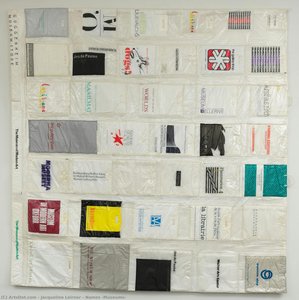
1987 20.0 x 13.0 cm
 オークランド・アート・ギャラリー・トイ・オ・タマキ
オンラインプレビューをはるかに凌ぐ、高解像度で鮮明なデジタル画像をご購入いただけます。
各ファイルは、社内の専門家が高度なツールと熟練した手作業によるレタッチを用いて、細心の注意を払って準備されています。すべての画像において、卓越した鮮明度、正確な色彩再現性、そして繊細なディテールを保証いたします。
最終ファイルは、プロフェッショナルな編集・印刷環境ですぐにご利用いただけるよう最適化された状態で、72時間以内にメールにてお届けいたします。これは、一流のデザインスタジオ、出版社、ギャラリーから信頼されているものと同等の品質です。
個人での鑑賞、印刷、クリエイティブなプロジェクト用に、高解像度ファイルをダウンロードできます。 ( プリント版に切り替え 手描き画への切り替え)
Most-Famous-Paintings.com を選ぶことは、単に画像を手に入れることではありません。それは、プロの手によって精密に仕上げられ、満足保証が付いた高品質なデジタルアートワークを受け取ることを意味します。ご注文いただいた際に自動的に付随する内容は、以下の通りです:

ご注文から72時間以内に、高解像度のデジタル画像ファイルがメールでお手元に届きます。すぐにそのままご利用いただけます。

お客様の作品は、高度なAIツールと専門家による手作業の編集を組み合わせてプロフェッショナルに最適化されており、細部のディテール、鮮明さ、そして正確な色再現性を最大限に引き出しています。

ファイルを誤って削除したり、紛失してしまったりしましたか?ご安心ください。いつでも無料で再送いたします。

関税や手数料、配送料を気にすることなく、お気に入りのアートワークをすぐにお楽しみいただけます。デジタルダウンロードは常に免税です。

プロ仕様のツールとカラーマネジメント技術を用いることで、デジタル画像が元の色を最大限に忠実に再現することを保証いたします。

ご購入いただいたデジタル画像にご満足いただけない場合は、60日以内であれば、修正または100%の返金(理由を問う必要はありません)をさせていただきます。

ご満足いただけない場合は、デジタルファイルを受け取ってから60日以内であれば、理由を問わず全額返金いたします。

3枚購入で10%OFF - 5枚購入で15%OFF - 10枚以上購入で20%OFF。クリエイティブなプロジェクト、ギャラリー、エージェンシーに最適です。

Julian Dashper (1960–2009) stood as one of New Zealand’s most profound contemporary voices, an artist whose practice functioned as a sophisticated bridge between the local landscape and the global currents of art history. Born in Auckland, Dashper possessed a rare ability to navigate the tension between Aotear and the wider world, exploring how visual information is received, disseminated, and reinterpreted across geographical boundaries. His work was never merely about the creation of objects; rather, it was an intellectual inquiry into the very nature of seeing. To look at a Dashper piece is to engage with a self-conscious dialogue, where the artist’s hand meets the weight of modernist tradition, questioning how much of our understanding of "great art" is shaped by the reproductions and catalogues that reach us from afar.
His artistic journey began in the vibrant, transformative atmosphere of the late 1970s and early 1980s at the Elam School of Fine Arts, University of Auckland. During these formative years, Dashper’s practice emerged through the lens of expressive abstraction, a style that mirrored the burgeoning influences of European Minimalism and American Conceptualism. However, even in these early stages, a distinct conceptual rigor was evident. He did not simply paint; he interrogated the medium itself. As his career progressed, his focus shifted from the purely formal properties of paint to a more complex investigation of seriality and repetition. This evolution saw him move away from the singular, heroic gesture toward meticulously crafted installations and multi-media projects that challenged the boundaries between painting, sculpture, and performance.
One of the most captivating dimensions of Dashper’s oeuvre was his fascination with the concept of the series. He utilized repetition not as a way to create monotony, but as a tool to explore rhythm, memory, and the persistence of imagery. This is perhaps most famously embodied in his ambitious project, The Big Bang Theory. In this work, Dashper moved beyond the canvas to incorporate drum-kit installations, creating a sensory experience that merged visual abstraction with the visceral energy of sound. These works were not merely visual representations but were deeply embedded in the idea of performance and the temporal nature of art. His practice frequently expanded into other realms, including:
Through these varied mediums, Dashper maintained a consistent preoccupation with how art exists within its environment. He was acutely aware of the artist's role within the market and the institution, often using wry, conceptual approaches to critique or celebrate the structures that house creativity. His work functioned as a mirror, reflecting both the prestige and the limitations of the art world.
Dashper’s influence extended far beyond the shores of New Zealand. His pursuit of international dialogue led him to prestigious opportunities, most notably a Senior Fulbright Fellowship and a residency at the Chinati Foundation in Marfa, Texas, in 2001. This period in the American desert, a landscape synonymous with Minimalism, further refined his understanding of how scale and site-specificity interact with abstract form. His ability to hold his own within this global context earned him significant recognition, with his work being featured in major exhibitions across America and Australia, including notable showcases in Sydney and Sioux City.
Despite his untimely passing in 2009, the historical significance of Julian Dashper remains undiminished. He left behind a legacy that continues to challenge how we perceive the relationship between the local and the universal. By treating New Zealand’s geographical position not as an isolation, but as a unique vantage point from which to view the world, he redefined the possibilities for contemporary Pacific art. His work remains a vital testament to the power of intellectual curiosity, reminding us that art is not just a window into beauty, but a complex, ongoing conversation with history, culture, and the very way we perceive our place in the universe.

1960 - 2009 , New Zealand


最新の美術ニュース、限定オファー、そしてインテリアのアイデアをいち早くお届けします。
お客様のプロジェクトについてお聞かせください。当社の美術専門家が、お客様に合わせた3つのパーソナライズされた芸術提案をご提供いたします。
あなたにぴったりの3作品を無料で厳選いたします


 プレビュー
プレビュー
 シェアする
シェアする シェアする
シェアする
 詳細を見る
詳細を見る

 ダウンロード
 似ている作品
 X線調査
X線調査 スライドショー
 詳細を見る
詳細を見る