The Quiet Elegance of a Tokyo Master
Born in the heart of Tokyo in 1890, Kurata Teijiro emerged as a profound voice within the landscape of Japanese art during the transformative decades of the twentieth century. His life, which spanned from the late Meiji era to the mid-1960s, was deeply intertwined with the evolving cultural fabric of Japan. While the specific details of his early education remain as delicate and understated as his brushwork, it is evident that his formative years were steeped in the rigorous study of traditional Japanese aesthetics. This foundation allowed him to develop a visual language that prioritized
simultaneity of grace and simplicity, capturing the fleeting beauty of the natural world and the quiet, rhythmic pulses of everyday existence with an unparalleled sensitivity.
A Mastery of Line and Fluidity
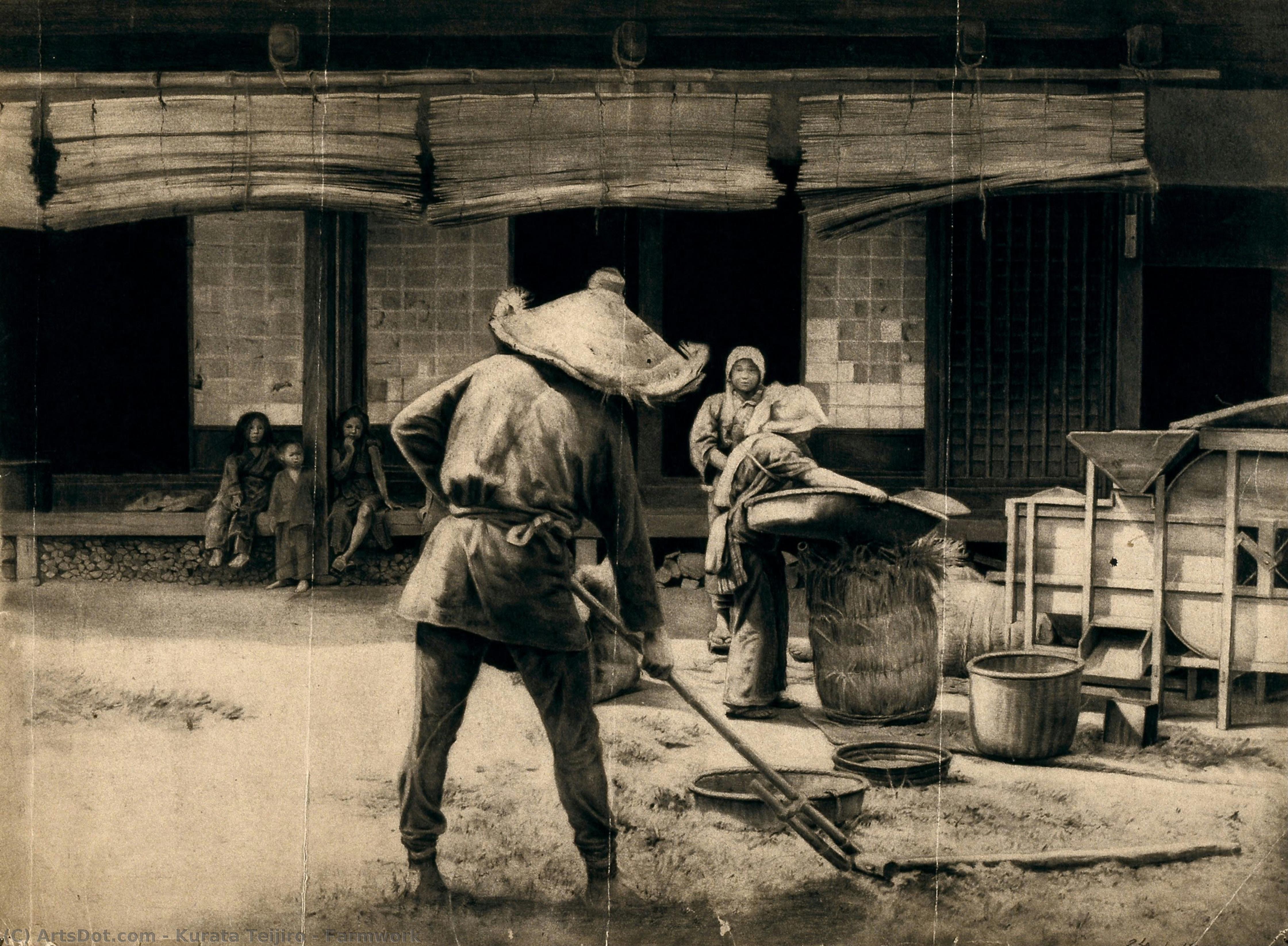
The true brilliance of Teijiro's work lies in his masterful command over the delicate mediums of ink and watercolor. His compositions are never burdened by excess; instead, they breathe through a deliberate use of negative space, inviting the viewer to find profound meaning in the subtle transitions of tone and the precision of a single, sweeping stroke. Through his eyes, we witness landscapes that feel both intimate and eternal, as well as still-life arrangements that elevate the mundane to the level of the sublime. His artistic technique was defined by several key elements:
- Elegant Compositions: A focus on balance and the harmonious arrangement of natural elements within the frame.
- Traditional Mastery: An expert use of ink washes to create atmospheric depth and a sense of temporal stillness.
- Evocative Subject Matter: The ability to capture the soul of Japanese nature and the quiet dignity found in daily life.
Each piece serves as a meditative window, where the fluidity of watercolor meets the structural strength of traditional ink drawing, creating a unique tension between movement and permanence.
An Enduring Artistic Legacy
Beyond his technical prowess, Kurata Teijiro’s significance lies in his ability to preserve the essence of Japanese tradition during an era of rapid global modernization. His work acts as a vital bridge between classical heritage and the modern era, inspiring subsequent generations of artists to seek beauty in the understated and the serene. Today, his legacy is cherished through various prestigious collections, including the
Most-Famous-Paintings collection, which ensures that his tranquil visions continue to resonate with art lovers across the globe. His contribution to the world of art remains a lasting testament to the power of the delicate line and the profound impact of a life dedicated to capturing the quiet wonders of the natural world.



 50.0 x 37.0 cm
 手描きの絵画を購入






 プレビュー
プレビュー
 シェアする
シェアする シェアする
シェアする
 詳細を見る
詳細を見る

 ダウンロード
 似ている作品
 X線調査
X線調査 スライドショー
 詳細を見る
詳細を見る






































 ガラスオプションは、110cm未満のサイズでのみご利用いただけます。


