


x





























作品のオリジナル比率に合わせた、当店の規定サイズからお選びください。

特定のフレームやスペースに合わせて、ご希望のサイズをご入力いただけます。選択されたサイズが元の画像の比率と異なる場合、アートワークをトリミングするか、手描きで要素を追加して絵画を拡張いたします。デジタルモックアップ を制作し、制作開始前にご確認(承認)をいただきます。
画面上のプレビューは、実際のトリミングや拡張を正確に反映しているものではありません。最終的な構図は、モックアップによってのみ正確にご確認いただけます。
カスタムサイズもご利用いただけますが、元の比率を維持するためには、あらかじめ用意されたリストからサイズを選択することをお勧めいたします。

Atlantic Codex (Codex Atlanticus), f. 145 recto.
複製画のサイズ
Leonardo da Vinci's Atlantic Codex (Codex Atlanticus), specifically folio 145 recto, is not merely a drawing; it’s a captivating glimpse into the mind of a restless genius. This meticulously rendered image depicts a complex device—a hybrid of a siege engine and a sophisticated wheel mechanism—that immediately sparks curiosity. Dating back to approximately 1485, this sheet offers a rare window into da Vinci's relentless pursuit of understanding the mechanics of both nature and human ingenuity. It’s a testament to his profound observational skills and his ability to translate complex concepts onto paper with astonishing precision.
The drawing itself is executed in pen and ink, overlaid with delicate washes—a technique characteristic of da Vinci's later work. The level of detail is remarkable; one can discern the individual components of the machine, from the rotating wheels to the levers and supports. Notice how he doesn’t shy away from depicting imperfections or potential weaknesses within the design – a hallmark of his scientific approach, where failure was simply a step towards refinement. This isn't a finished blueprint for construction; rather, it appears to be an exploratory study, a preliminary sketch documenting a nascent idea.
The exact purpose of this device remains shrouded in speculation. While broadly resembling a sling used for hurling stones—as evidenced by the accompanying text within the Codex (referenced in the supplemental research)—it’s clear that da Vinci intended it to be far more than a simple weapon. The intricate wheel system suggests a potential application in transporting materials, perhaps even as a rudimentary form of hoisting mechanism. The drawing's complexity hints at an ambition to create something entirely new, pushing beyond established methods of engineering.
It’s important to remember that da Vinci was not simply an artist; he was a scientist, inventor, and anatomist. The Atlantic Codex is filled with such hybrid creations—drawings of flying machines, anatomical studies, architectural designs – all reflecting his desire to synthesize knowledge from disparate fields. This particular folio exemplifies this approach perfectly, demonstrating how observations in one area could inform entirely new possibilities in another.
The image resonates deeply with the spirit of the Renaissance—a period defined by a renewed interest in classical learning, human potential, and empirical observation. Da Vinci’s meticulous rendering reflects this emphasis on reason and understanding. The device itself can be interpreted as a metaphor for the pursuit of knowledge – a complex mechanism requiring careful study, experimentation, and a willingness to dismantle existing assumptions.
Furthermore, the drawing's focus on mechanics aligns with the burgeoning scientific revolution that was beginning to take shape during da Vinci’s lifetime. He anticipated many later inventions by centuries, demonstrating an extraordinary foresight and a profound understanding of fundamental principles. The image embodies the Renaissance ideal of *uomo universale* – the “universal man” capable of mastering diverse disciplines.
Most-Famous-Paintings is proud to offer meticulously crafted, hand-painted reproductions of Leonardo da Vinci’s Atlantic Codex, folio 145 recto. Our artists replicate the drawing’s intricate detail and subtle tonal variations with unparalleled accuracy, capturing the essence of da Vinci's genius. These reproductions are not merely copies; they are artistic interpretations that honor the original while providing a stunning addition to any collection or interior space.
Whether you’re an art enthusiast, a collector of Renaissance masterpieces, or simply seeking a unique piece of decorative art, a Most-Famous-Paintings reproduction of this enigmatic sling offers a tangible connection to one of history's most brilliant minds. Explore the possibilities and bring a touch of da Vinci’s visionary world into your home today.

1452年、トスカーナ地方のヴィンチ村近くで生まれたレオナルド・ダ・ヴィンチは、ルネサンス期を象徴するまさに「万能の天才」でした。画家、彫刻家、建築家、科学者、技術者、解剖学者…彼の好奇心と探求心は、芸術、科学、工学の分野に革命をもたらし、後世に計り知れない影響を与えました。非嫡出子として生まれたという出自にも関わらず、彼は卓越した才能を発揮し、その名は今もなお、創造性と革新性の代名詞となっています。
幼少期を過ごしたヴィンチで自然と触れ合いながら育ったレオナルドは、14歳でフィレンツェの芸術家アンドレア・デル・ヴェロッキオの工房に入門します。そこで彼は、絵画や彫刻だけでなく、金属加工、木工、製図といった幅広い技術を習得し、その基礎を築きました。ヴェロッキオの工房での経験は、彼の多才な才能を開花させるための土台となり、後に彼自身が師を凌駕するほどの才能を持つことを予感させました。当時から、彼の並外れた才能は評判となり、ヴェロッキオ自身もレオナルドの才能に圧倒され、絵筆を置いたという逸話も残されています。
1482年、レオナルドはルドヴィーコ・スフォルツァ公の宮廷に仕官し、ミラノへと移ります。これは単なる芸術家としての任命ではなく、軍事技術者、建築家、彫刻家、そして舞台デザイナーとしても活躍する機会となりました。彼は革新的な防御施設の設計、豪華な舞台装置のデザイン、さらには空を飛ぶ機械の構想など、多岐にわたるプロジェクトに取り組みました。この時期に着手された「最後の晩餐」は、彼の代表作の一つであり、サンタ・マリア・デッレ・グラツィエ修道院の食堂壁画として完成しました。この作品は、単なる食事の場面を描写するだけでなく、人間の感情と心理的なドラマを深く掘り下げており、その革新的な構図と遠近法は、西洋美術に多大な影響を与えました。また、スフォルツァ公のために様々な彫刻プロジェクトに取り組む一方で、レオナルドの探求心は科学分野にも向かい、解剖学の研究を開始します。
1499年のフランス軍によるミラノ攻略後、レオナルドはフィレンツェに戻り、芸術の中心地で新たな活動を展開しました。この時期に制作された「モナ・リザ(ジョコンダ)」は、彼の最も有名な作品の一つであり、その謎めいた微笑みと魅惑的な眼差しは、何世代にもわたって人々を魅了し続けています。レオナルドが開発したスフマート技法—光と影の微妙なグラデーションによって輪郭をぼかし、幻想的な雰囲気を生み出す技術—は、この作品の神秘性をさらに高めています。また、彼は人間の形態を科学的に理解しようと試み、解剖学の研究を重ねました。遺体の解剖を通して得られた知識をもとに、筋肉、骨格、臓器などを詳細に記録した図面は、当時としては画期的なものでした。
その後のレオナルドは、フィレンツェ、ミラノ、ローマなど、イタリア各地を転々としながら活動を続けました。1516年には、フランス王フランシス1世の招聘を受け、アンボワーズ城近くのクロ・リュセ城に住み込み、晩年を過ごしました。1519年に亡くなったレオナルドは、芸術史における彼の遺産は計り知れません。彼は芸術家を単なる熟練した職人から、科学的探求に基づいた知的存在へと高めました。彼の作品は、写実性、心理的な深み、革新的な技法によって高く評価されています。レオナルド・ダ・ヴィンチは、人間の好奇心、創造性、そして知識の絶え間ない追求を象徴する存在であり、その影響力は今日まで色褪せることなく、私たちに畏敬の念と感動を与え続けています。
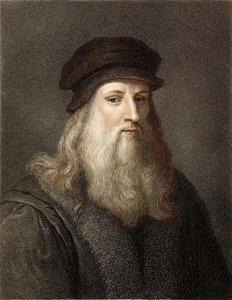
1452 - 1519 , イタリア

Explore the profound genius of the Renaissance Trinity. Delve into a comparative study of Leonardo da Vinci, Michelangelo, and Raphael, uncovering their unique contributions to art history, technique, and the enduring legacy of Italian High Renaissance mastery.


最新の美術ニュース、限定オファー、そしてインテリアのアイデアをいち早くお届けします。
お客様のプロジェクトについてお聞かせください。当社の美術専門家が、お客様に合わせた3つのパーソナライズされた芸術提案をご提供いたします。
あなたにぴったりの3作品を無料で厳選いたします


 プレビュー
プレビュー
 プリントを購入
 シェアする
シェアする シェアする
シェアする
 詳細を見る
詳細を見る

 ダウンロード
 似ている作品
 X線調査
X線調査 スライドショー

 詳細を見る
詳細を見る









 ガラスオプションは、110cm未満のサイズでのみご利用いただけます。


