


x
オンラインプレビューをはるかに凌ぐ、高解像度で鮮明なデジタル画像をご購入いただけます。
各ファイルは、社内の専門家が高度なツールと熟練した手作業によるレタッチを用いて、細心の注意を払って準備されています。すべての画像において、卓越した鮮明度、正確な色彩再現性、そして繊細なディテールを保証いたします。
最終ファイルは、プロフェッショナルな編集・印刷環境ですぐにご利用いただけるよう最適化された状態で、72時間以内にメールにてお届けいたします。これは、一流のデザインスタジオ、出版社、ギャラリーから信頼されているものと同等の品質です。
Most-Famous-Paintings.com を選ぶことは、単に画像を手に入れることではありません。それは、プロの手によって精密に仕上げられ、満足保証が付いた高品質なデジタルアートワークを受け取ることを意味します。ご注文いただいた際に自動的に付随する内容は、以下の通りです:

ご注文から72時間以内に、高解像度のデジタル画像ファイルがメールでお手元に届きます。すぐにそのままご利用いただけます。

お客様の作品は、高度なAIツールと専門家による手作業の編集を組み合わせてプロフェッショナルに最適化されており、細部のディテール、鮮明さ、そして正確な色再現性を最大限に引き出しています。

ファイルを誤って削除したり、紛失してしまったりしましたか?ご安心ください。いつでも無料で再送いたします。

関税や手数料、配送料を気にすることなく、お気に入りのアートワークをすぐにお楽しみいただけます。デジタルダウンロードは常に免税です。

プロ仕様のツールとカラーマネジメント技術を用いることで、デジタル画像が元の色を最大限に忠実に再現することを保証いたします。

ご購入いただいたデジタル画像にご満足いただけない場合は、60日以内であれば、修正または100%の返金(理由を問う必要はありません)をさせていただきます。

ご満足いただけない場合は、デジタルファイルを受け取ってから60日以内であれば、理由を問わず全額返金いたします。

3枚購入で10%OFF - 5枚購入で15%OFF - 10枚以上購入で20%OFF。クリエイティブなプロジェクト、ギャラリー、エージェンシーに最適です。

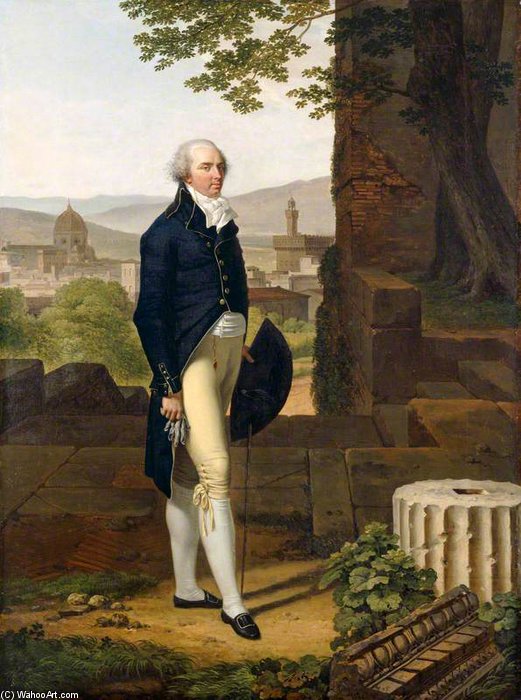
The life of Louis Gauffier was a poignant tapestry woven from the threads of classical grandeur and the turbulent realities of a continent in upheaval. Born in 1762 in the quiet French city of Poitiers, Gauffier’s early years were defined by a rigorous pursuit of excellence under the watchful eye of the esteemed history painter Hugues Taraval. This foundational training in Paris instilled within him a profound respect for classical composition and the meticulous observation of detail—virtues that would later allow him to capture both the epic scale of biblical narratives and the intimate nuances of a human face. His ascent was swift; by winning the prestigious Prix de Rome in 1779 with his evocative work, Christ and the Woman of Canaan, Gauffier secured his passage to Italy, a move that would irrevocably alter the trajectory of his soul and his brush.
As he settled into the vibrant artistic atmosphere of Rome, Gauffier found himself at the intersection of antiquity and modernity. The influence of figures like Thomas Hope, a collector of immense breadth, expanded his artistic horizons beyond the mere imitation of the past. Through such encounters, Gauffier’s work began to absorb the textures of antique décor and the elegance of classical motifs. However, the winds of the French Revolution brought with them a chilling instability. The execution of Louis XVI and the subsequent political tremors forced Gauffier into a life of exile. Fleeing the escalating tensions in Paris, he and his wife, the talented painter Pauline Chatillon, sought refuge in Florence. This period of displacement, while fraught with personal uncertainty, became the crucible in which his most enduring style was forged.
In the sun-drenched landscapes of Tuscany, Gauffier found a sanctuary that political turmoil could not touch. Denied the traditional French patronage due to his branding as a royalist, he pivoted from the grand, often demanding stage of history painting toward the serene and enduring beauty of the natural world. This transition was not merely a survival tactic but an artistic evolution. He began to produce landscapes that resonated deeply with the sensibilities of English tourists traversing the continent, capturing the ethereal light and pastoral tranquility of the Italian countryside. His canvases became windows into a world of peace, characterized by a masterful command of color and a luminosity reminiscent of the great Claude Lorrain.
His later years in Italy saw a fascinating stylistic duality. While his landscapes offered a respite from the chaos of the Napoleonic era, the arrival of French troops in Florence in 1799 prompted a return to the human figure through portraiture. He became a sought-after painter of officers, capturing the military elegance and the subtle psychological depth of those stationed in Italy. This period of his work showcases a remarkable versatility:
Though his life was cut short in 1801 in Livorno, Louis Gauffier left behind a legacy that transcends the mere documentation of a turbulent era. He remains a vital link in the chain of Neoclassical art, representing the bridge between the formal academic traditions of late 18th-century France and the romanticized, light-filled landscapes of the Italian tradition. His ability to find beauty amidst displacement—to transform the necessity of exile into an opportunity for stylistic rebirth—serves as a testament to the resilience of the creative spirit. Today, his works stand as silent witnesses to a vanished world, inviting modern viewers to experience the same sense of wonder and tranquility that once guided his brush across the Tuscan plains.

1762 - 1801 , France


最新の美術ニュース、限定オファー、そしてインテリアのアイデアをいち早くお届けします。
お客様のプロジェクトについてお聞かせください。当社の美術専門家が、お客様に合わせた3つのパーソナライズされた芸術提案をご提供いたします。
あなたにぴったりの3作品を無料で厳選いたします


 プレビュー
プレビュー
 プリントを購入
 シェアする
シェアする シェアする
シェアする
 詳細を見る
詳細を見る

 ダウンロード
 似ている作品
 X線調査
X線調査 スライドショー
 詳細を見る
詳細を見る


