
ウィッシュリスト ショッピングカート Cart
プリントを購入 プリントを購入画像を 購入する 画像を 購入する シェアするシェアする
詳細を見る詳細を見る お気に入りに追加 お気に入りに追加 ダウンロードダウンロード 似ている作品似ている作品 X線調査X線調査 スライドショースライドショー

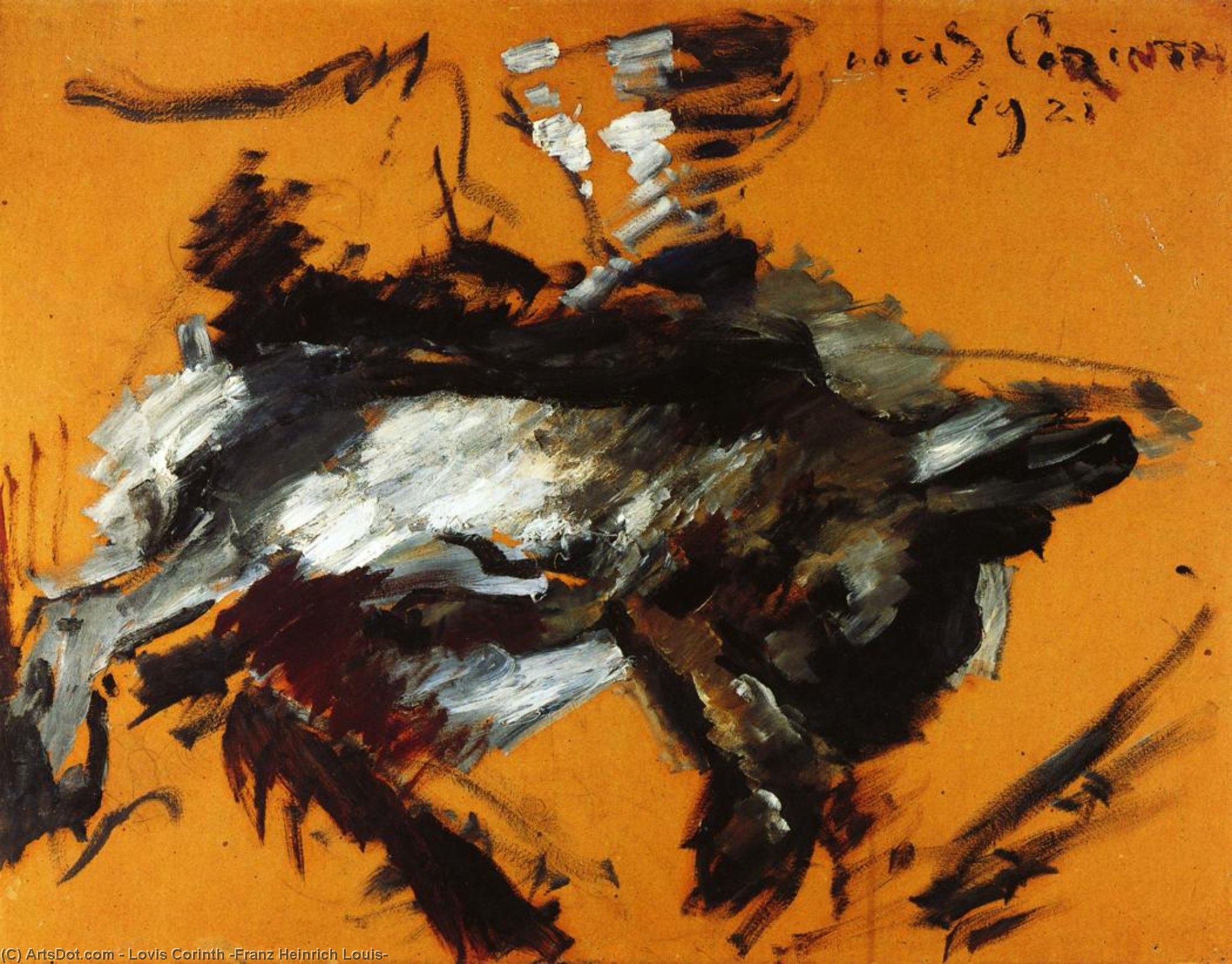
The Hare

A captivating study of a hare captured in dynamic poses against an abstract orange backdrop, this 1921 masterpiece by Lovis Corinth invites you to explore the raw beauty of German Expressionism for your collection.

19世紀から20世紀初頭にかけて活躍したドイツの画家、ローヴィス・コリンス。印象派と表現主義を融合させた独自のスタイルで、人物画や風景画に生きた感情を込めた。「屠殺場にて」などの作品は、その力強い筆致と色彩感覚が際立つ。

手描き油彩複製画

当社のアーティストが、お客様のご希望のサイズと額縁に合わせて、キャンバスに手描きで制作する油彩画です。

P118B $10
P118H $10
P118W $10
P438Z $10
P508JH $12
P508YH $12
P805H $10
P805Z $10
P919BZ $10
P919G $10
P919XJ $10
P959ZH $10
P968JZ $12
W106C $8
W218G $10
W218JH $8
W218Y $10
W307PJ $10
W316G $10
W316PJ $8
W316Y $10
W398PJ $8
W4111J $10
W500HY $15
W500JH $15
W692G $12
W849H $8
W940BG $15
W953PJ $8

Standard
custom
CM
INCH

作品のオリジナル比率に合わせた、当店の規定サイズからお選びください。

高さ

特定のフレームやスペースに合わせて、ご希望のサイズをご入力いただけます。選択されたサイズが元の画像の比率と異なる場合、アートワークをトリミングするか、手描きで要素を追加して絵画を拡張いたします。デジタルモックアップ を制作し、制作開始前にご確認(承認)をいただきます。
画面上のプレビューは、実際のトリミングや拡張を正確に反映しているものではありません。最終的な構図は、モックアップによってのみ正確にご確認いただけます。
カスタムサイズもご利用いただけますが、元の比率を維持するためには、あらかじめ用意されたリストからサイズを選択することをお勧めいたします。

カスタマイズの例:顔をお客様の写真に置き換える、ペットを追加する(例:猫を犬に変更)、背景に隠れたメッセージを入れる、背景の風景や要素を変更するなど。
ご注文後、Most-Famous-Paintings.com チームより詳細な指示をお送りするとともに、仕上がりイメージ(モックアップ)をご提供いたします。

世界中への配送()は、通常の5週間ではなく、3〜4週間でお届けいたします。(21 7月)。品質には一切妥協いたしません。

why_choose_icon
世界中へ無料エクスプレス配送
why_choose_icon
高品質なリネンキャンバス
why_choose_icon
配送時完全保険付
why_choose_icon
関税・輸入税の払い戻し保証
why_choose_icon
忠実な色彩再現保証
why_choose_icon
60日間返品保証(製造上の欠陥のみ)
why_choose_icon
100% 全額返金保証
why_choose_icon
まとめ買い割引のご案内

合計金額

-

reproduction

The Hare

複製技法

複製画のサイズ

-

合計金額

-

作品詳細

  • Dimensions: 65 x 85 cm
  • Year: 1921
  • Title: The Hare
  • Notable elements or techniques: Dynamic use of color and lighting
  • Subject or theme: Hare in various positions

作品解説

A Dance of Light and Instinct: Rediscovering Lovis Corinth’s The Hare

In the quiet, evocative realm of early 20th-century German art, few works capture the raw, pulsing energy of nature quite like Lovis Corinth’s The Hare. Painted in 1921, this masterpiece serves as a profound window into the artist's late-career mastery, where the boundaries between Impressionist light and Expressionist emotion begin to dissolve. The painting presents a captivating study of movement and stillness; the hare is not merely a static subject but a presence captured in various states of being—standing alert on its hind legs, resting, and reclining. This rhythmic repetition of form creates a sense of temporal fluidity, as if the viewer is witnessing a fleeting moment of life unfolding in real-time against a vibrant, dreamlike backdrop.

The technical brilliance of this piece lies in Corinth’s ability to manipulate color and texture to evoke a visceral response. The background, an abstract expanse of warm, glowing orange, acts as a luminous stage that pushes the subject forward, demanding the viewer's undivided attention. Through a skillful application of light, the artist breathes life into the fur and musculature of the hare, using bold, confident brushstrokes that suggest the tactile reality of the creature. This technique does more than just depict an animal; it captures the very essence of vitality. For the discerning collector or interior designer, this painting offers a sophisticated interplay of warmth and movement, making it a commanding focal point that can breathe life into any curated space.

Symbolism and the Spirit of the Era

Beyond its surface beauty, The Hare carries a weight of symbolic significance that reflects the tumultuous era in which Corinth lived. As a bridge between the observational precision of Impressionism and the raw, psychological depth of Expressionism, Corinth uses the hare to explore themes of vulnerability and resilience. The creature, often a symbol of fertility and the cyclical nature of life, is presented here with a sense of profound autonomy. There is no hunter in this frame, only the pure, unadulated existence of the subject within its abstract environment. This focus on the intrinsic value of life, stripped of narrative distraction, resonates deeply with modern sensibilities that seek solace in the organic and the authentic.

For those looking to integrate fine art into a contemporary home, this reproduction offers more than just decoration; it provides an emotional anchor. The painting’s ability to evoke both tranquility through its warm palette and excitement through its dynamic composition makes it an incredibly versatile piece. Whether placed in a sun-drenched morning room or a moody, sophisticated study, The Hare invites contemplation and serves as a testament to the enduring power of the natural world. It is a celebration of life captured in paint, a timeless fragment of history that continues to inspire awe and wonder in the hearts of art lovers worldwide.


アーティストの略歴

Lovis Corinth (1858–1925): Bridging Impressionism and Expressionism

Lovis Corinth, born Franz Heinrich Louis on July 21, 1858, in the Prussian province of East Prussia—a region grappling with industrialization and shifting social mores—was a painter whose artistic trajectory defied easy categorization. Initially rooted in Naturalistic tendencies prevalent within the Academy of Königsberg where he began his studies, Corinth swiftly recognized that true artistic fulfillment demanded exploration beyond conventional academic boundaries. This realization propelled him on a transformative journey encompassing travel to Munich, Antwerp, and Paris – cities pulsating with intellectual ferment and artistic innovation—each encounter shaping his evolving worldview and stylistic sensibilities. Early Influences & Artistic Formation Corinth’s formative years were marked by exposure to the meticulous realism championed by Ludwig von Löfftz in Munich, honing his observational skills and mastering technique with unwavering dedication. Simultaneously, Antwerp introduced him to the grandeur of Rubens’ Baroque legacy—a dramatic aesthetic characterized by opulent color palettes and dynamic compositions—inspiring him to embrace expressive brushwork and theatrical staging. However, it was Paris – the epicenter of Impressionism – that irrevocably altered Corinth's artistic course. While initially hesitant to fully adopt Monet’s fragmented light effects or Renoir’s sensual brushstrokes, he gradually internalized their principles, integrating them into his own distinctive vision—a synthesis that would ultimately solidify his position as a pivotal figure bridging two monumental movements. This blending of styles wasn’t merely stylistic mimicry; it represented a profound engagement with the intellectual currents shaping European art at the dawn of the 20th century. From Naturalism to Expressionistic Intensity Corinth's artistic development unfolded in stages, mirroring the broader shifts occurring within the art world. His early canvases—such as “In the Slaughterhouse” (1878)—demonstrated a commitment to unflinching realism, confronting viewers with unsettling depictions of animal carcasses—a deliberate provocation against prevailing academic conventions. Yet even here, beneath the surface of meticulous observation lay an embryonic emotional resonance—a foreshadowing of Corinth’s later penchant for conveying profound psychological depth through his artwork. The influence of Rubens—particularly his masterful use of color and dramatic gesture—provided him with a crucial framework for artistic expression. However, it was Impressionism—with its emphasis on capturing fleeting moments of light and atmosphere—that truly liberated Corinth from the constraints of academic tradition. He didn’t simply replicate Impressionistic techniques; instead, he reimagined them within his own unique aesthetic—a daring assertion of individuality that anticipated many of the stylistic innovations characteristic of Expressionism. The Stroke & Artistic Transformation A devastating stroke suffered in December 1911 profoundly impacted Corinth's life and artistic practice—threatening to curtail his career altogether. Faced with debilitating paralysis on his left side, he embarked upon a grueling process of relearning to paint—adapting to physical limitations while simultaneously intensifying his expressive style. This experience served as catalyst for an artistic metamorphosis—characterized by bolder brushstrokes, heightened color palettes, and an unwavering commitment to conveying raw emotion—reflecting the existential anxieties prevalent during the period. As he wrestled with mortality and confronted the vulnerability inherent in human existence, Corinth channeled these experiences into his art—producing masterpieces imbued with palpable urgency and authenticity. The resulting paintings—such as “Female Semi-Nude” (1906)—became emblems of Corinth’s artistic triumph over adversity—testaments to his resilience and unwavering spirit. Legacy & Enduring Influence Lovis Corinth's contribution to German art transcends mere stylistic innovation; it embodies a philosophical stance rooted in confronting uncomfortable truths and embracing the complexities of human experience. He served as president of the Berlin Secession from 1915 until his death in 1925—championing progressive artistic ideals and fostering a vibrant creative community—solidifying his position as a visionary leader within the avant-garde movement. Corinth’s oeuvre—spanning portraits, landscapes, biblical scenes, and mythological subjects—continues to captivate audiences worldwide—inspiring artists across generations with its uncompromising honesty and profound emotional depth. His paintings—particularly those depicting the serene beauty of the Walchensee region—remain iconic representations of Expressionistic aesthetics—celebrating both grandeur and vulnerability. Corinth’s enduring legacy resides not only in his artistic achievements but also in his unwavering conviction that art possesses the capacity to illuminate the human condition—a message that resonates powerfully even today.
ロービス・コリンス

ロービス・コリンス

1858 - 1925 , オランダ

基本情報

  • Artistic Movement Or Style: 印象主義と表現主義
  • Artists Or Movements Influenced By This Artist: ['表現主義']
  • Artists Who Influenced This Artist:
    • コウベール
    • ルーブス
  • Date Of Birth: 7月21日、1858年
  • Date Of Death: 7月17日、1925年
  • Full Name: Franz Heinrich Louis Corinth
  • Nationality: ドイツ
  • Notable Artworks:
    • 屠殺場
    • セルフポートレート
    • 帽子をかぶった女性セミヌード
  • Place Of Birth: テアウーデ、オランダ
テーマ、スタイル、特徴別に分類された作品を探索しましょう。





































