


x


迅速な制作と多彩な仕上げオプションを備えた、ミュージアムクオリティのジークレーまたはキャンバスプリント。 ( Switch to hand made Painting Switch to Image)





























作品のオリジナル比率に合わせた、当店の規定サイズからお選びください。

特定のフレームやスペースに合わせて、ご自身でサイズを指定することも可能です。選択されたサイズが元の画像の比率と一致しない場合、作品をトリミングするか、鏡面反射または単色での塗りつぶしによって画像を拡張いたします。制作を開始する前に、ご確認用のデジタルモックアップをお送りいたします。
画面上のプレビューには、実際のトリミングや拡張は反映されませんのでご注意ください。最終的な構図を正確に確認できるのは、モックアップのみとなります。
カスタムサイズも承っておりますが、元の比率を維持するためには、あらかじめ用意されたリストからサイズを選択することをお勧めいたします。

Sphere
複製画のサイズ
Lucio Fontana's 1957 work, simply titled 'Sphere,' is not merely a depiction of two balls; it’s an intensely felt exploration of space, materiality, and the very act of artistic creation. This seemingly simple composition, executed in black and yellow against a stark white backdrop, embodies the core tenets of Fontana's Spatialism – a movement he pioneered that sought to liberate art from traditional representational constraints by engaging directly with the fourth dimension: space itself. The photograph captures two spheres, one textured and dark, the other smooth and luminous, resting on a plane that feels both solid and infinitely receding. Scattered around them are smaller circles, echoing and amplifying the central theme of expansion and fragmentation.
Born in Rosario, Argentina, in 1899, Lucio Fontana’s artistic trajectory was shaped by a unique duality – his Argentinian heritage and his immersion in European avant-garde movements. Initially trained as a sculptor, influenced by his father's work, Fontana’s early explorations were rooted in traditional form. However, the post-war period witnessed a profound shift in artistic thinking, fueled by developments in physics (Einstein’s theory of relativity) and a growing fascination with the subconscious. This context directly informed Spatialism, which sought to visualize the idea that artists could cut into, puncture, or otherwise transform painted surfaces to reveal the underlying space behind them – a concept profoundly influenced by the notion of infinite space.
Fontana’s technique in ‘Sphere’ is deceptively straightforward. The bold use of contrasting colors—the deep black and vibrant yellow—immediately draws the eye, yet it's the subtle variations in texture that truly elevate the work. The rougher surface of the black sphere suggests a physicality, an engagement with the material itself, while the smoother yellow sphere evokes a sense of luminosity and ethereal quality. This deliberate juxtaposition highlights Fontana’s interest in exploring the relationship between tactile experience and visual perception. The inclusion of smaller circles isn't merely decorative; they function as echoes, reinforcing the idea of expanding space and disrupting any sense of static representation.
'Sphere' resonates with a profound sense of mystery and possibility. It’s a work that invites contemplation about the nature of reality, the limits of perception, and the potential for artistic transformation. The act of presenting these spheres – seemingly simple objects – within this context elevates them to symbols of boundless space and infinite potential. Fontana wasn’t simply painting; he was creating a visual metaphor for a radical shift in how we understand our relationship with the world around us. This piece speaks to a desire for liberation, a yearning to break free from conventional boundaries, and an embrace of the unknown – emotions that continue to resonate powerfully with viewers today.


1899 - 1968 , アルゼンチン

メトロポリタン美術館の至宝25選。モネ、ゴッホ、レンブラント…名画に秘められた物語と技法を紐解きます。印象派からルネサンスまで、時代を超えて輝く芸術作品をウォールアートで暮らしに取り入れませんか?Most-Famous-Paintings.comで全コレクションをご覧ください。
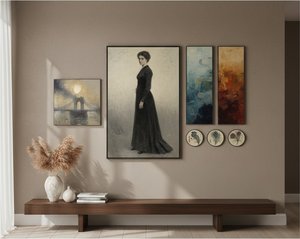
ジェームズ・マクニール・ホイストラーの至高の25選。ノクターン、印象派、美しい色彩に満ちた作品群を紐解きます。Most-Famous-Paintingsで高品質なアートプリントとインテリアをお楽しみください。名画の世界へ – Most-Famous-Paintings.com
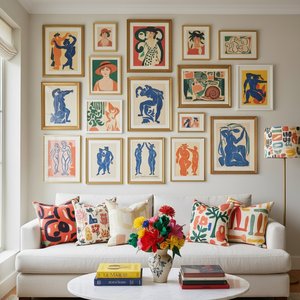
アンリ・マティスの傑作25選🎨 色彩と情熱が織りなす世界を旅する。フォーヴィスム代表の巨匠、マティスの絵画の魅力と歴史を紐解きます。Most-Famous-Paintingsで高品質なアートプリントや複製画を見つけ、インテリアに芸術的な輝きを✨ Explore the full collection online
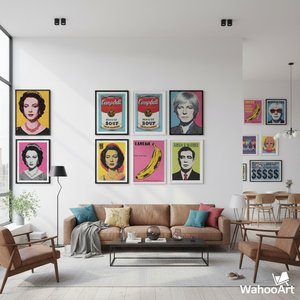
アンディ・ウォーホルの傑作25選。ポップアートの革命からマリリン・モンローの肖像画まで、現代美術を代表する作品群を紐解きます。複製画やインテリアに最適なアートプリントも豊富。Most-Famous-Paintings.comで名画の世界へ。

デトロイト美術館の至宝25選。ゴッホ、モネ、レンブラント…名画に秘められた物語と感動を紐解きます。印象派から写実主義まで、美術史を彩る傑作を鑑賞。Most-Famous-Paintingsで高品質な複製画やインテリアアートを見つけましょう。全コレクションはこちら: Most-Famous-Paintings.com


最新の美術ニュース、限定オファー、そしてインテリアのアイデアをいち早くお届けします。
お客様のプロジェクトについてお聞かせください。当社の美術専門家が、お客様に合わせた3つのパーソナライズされた芸術提案をご提供いたします。
あなたにぴったりの3作品を無料で厳選いたします


 Preview
 シェアする
シェアする シェアする
シェアする
 詳細を見る
詳細を見る

 ダウンロード
 似ている作品
 X線調査
X線調査 スライドショー

 詳細を見る
詳細を見る









 ガラスオプションは、110cm未満のサイズでのみご利用いただけます。


