x





























作品のオリジナル比率に合わせた、当店の規定サイズからお選びください。

特定のフレームやスペースに合わせて、ご希望のサイズをご入力いただけます。選択されたサイズが元の画像の比率と異なる場合、アートワークをトリミングするか、手描きで要素を追加して絵画を拡張いたします。デジタルモックアップ を制作し、制作開始前にご確認(承認)をいただきます。
画面上のプレビューは、実際のトリミングや拡張を正確に反映しているものではありません。最終的な構図は、モックアップによってのみ正確にご確認いただけます。
カスタムサイズもご利用いただけますが、元の比率を維持するためには、あらかじめ用意されたリストからサイズを選択することをお勧めいたします。

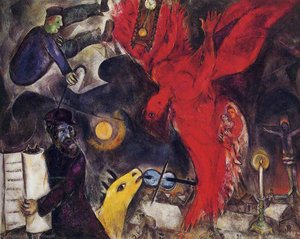
Return from the Synagogue
複製画のサイズ
In the quiet, monochrome depths of Marc Chagall’s 1926 masterpiece, "Return from the Synagogue," we find ourselves transported not merely to a snowy street in Vitebsk, but into the very heart of an artist's subconscious. This evocative work serves as a profound testament to Chagall’s enduring fascination with Jewish folklore and the transformative power of dreamlike imagery. As one gazes upon the figures navigating the wintry landscape, the painting transcends its physical subject matter to become an immersive experience—a meditation on faith, displacement, and the resilient preservation of cultural heritage. The absence of color does not diminish the work; rather, it strips away the distractions of the material world, leaving behind a raw, emotional essence that invites deep contemplation.
The stylistic brilliance of this piece lies in its seamless blend of Surrealist Expressionism. Chagall famously eschewed the rigid constraints of meticulous realism, opting instead for distorted figures and fantastical landscapes that align with the avant-garde spirit of his era. Through bold, energetic brushstrokes and a deliberate layering of paint, he creates a surface texture that feels palpable, almost alive. Even within this black and white composition, there is a sense of luminous depth, a technique honed during his early years as a sign painter where precision and light were paramount. The movement of the pedestrians, the presence of a solitary dog, and even the small detail of a book resting on the ground all contribute to a rhythmic, flowing narrative that captures the pulse of community life.
To understand the soul of "Return from the Synagogue," one must look toward the turbulent historical context of its creation. Emerging from the shadows of the 1923 siege of Vitebsk by Polish forces, the painting is imbued with the political tensions of the post-Bolshevik Revolution era. Chagall’s involvement in artistic protests, such as "The White Guard," deeply informed his preoccupation with themes of exile and survival. Every figure walking through the snow carries the weight of this history; their togetherness amidst the biting cold serves as a powerful symbol of communal strength against the encroating forces of displacement. The painting captures a moment where the personal and the political collide, turning a simple walk home into an act of cultural defiance.
For the discerning collector or interior designer, this reproduction offers more than just aesthetic beauty; it provides a focal point of profound emotional gravity. The piece possesses a unique ability to anchor a room with its somber yet hopeful atmosphere, making it an ideal selection for spaces dedicated to reflection, study, or sophisticated storytelling. It is a work that rewards repeated viewing, revealing new layers of symbolism—from the spiritual weight of the synagogue journey to the quiet, whimsical elements of Chagall’s dreamscape—ensuring that it remains a captivating conversation piece for generations to come.

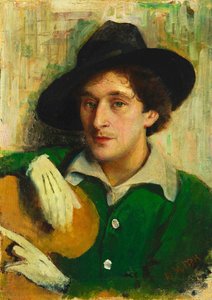
1887 - 1985 , ベラルーシ

Explore the profound artistry of black and white photography. From the chemistry of gelatin silver to the chiaroscuro of the Old Masters, discover how monochrome captures the eternal essence of light, form, and emotion for the discerning art collector.


最新の美術ニュース、限定オファー、そしてインテリアのアイデアをいち早くお届けします。
お客様のプロジェクトについてお聞かせください。当社の美術専門家が、お客様に合わせた3つのパーソナライズされた芸術提案をご提供いたします。
あなたにぴったりの3作品を無料で厳選いたします


 プレビュー
プレビュー
 プリントを購入
 シェアする
シェアする シェアする
シェアする
 詳細を見る
詳細を見る

 ダウンロード
 似ている作品
 X線調査
X線調査 スライドショー

 詳細を見る
詳細を見る









 ガラスオプションは、110cm未満のサイズでのみご利用いただけます。