x





























作品のオリジナル比率に合わせた、当店の規定サイズからお選びください。

特定のフレームやスペースに合わせて、ご希望のサイズをご入力いただけます。選択されたサイズが元の画像の比率と異なる場合、アートワークをトリミングするか、手描きで要素を追加して絵画を拡張いたします。デジタルモックアップ を制作し、制作開始前にご確認(承認)をいただきます。
画面上のプレビューは、実際のトリミングや拡張を正確に反映しているものではありません。最終的な構図は、モックアップによってのみ正確にご確認いただけます。
カスタムサイズもご利用いただけますが、元の比率を維持するためには、あらかじめ用意されたリストからサイズを選択することをお勧めいたします。

The Drunkard
複製画のサイズ
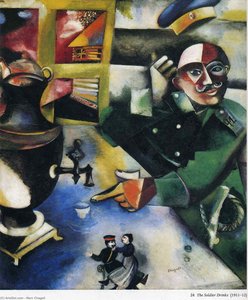
Marc Chagall's "The Drunkard," painted in 1914, isn’t merely a depiction of a man lost to intoxication; it’s a profound exploration of vulnerability, societal pressure, and the enduring power of memory. Emerging from his formative years in Vitebsk, Belarus—a city steeped in both Jewish tradition and Russian Orthodox influence—the painting embodies Chagall's signature style: a vibrant collision of dreamlike imagery and stark emotional honesty. The work immediately arrests the viewer with its dramatic simplicity – a near-monochromatic palette dominated by black, white, and shades of grey, punctuated only by subtle tonal shifts that sculpt form and convey mood. This deliberate restriction forces us to focus on the core elements: the slumped figure of the drunkard and the outstretched hand offering support.
The composition itself is a masterclass in controlled imbalance. A forceful diagonal line, created by the supporting figure’s arm, pulls the eye downwards and slightly to the right, mirroring the downward trajectory of the man's head and body. This instability isn’t accidental; it speaks to the precariousness of his situation, both physical and emotional. The geometric background—a network of simplified shapes reminiscent of buildings or urban structures—adds another layer of complexity. These forms aren’t merely decorative; they suggest a confining environment, perhaps representing the societal pressures that contribute to the man's plight, or even the weight of tradition and expectation.
“The Drunkard” firmly situates itself within the burgeoning Expressionist movement, though Chagall’s unique perspective quickly distinguishes it. Like many Expressionists, Chagall prioritized conveying raw emotion over realistic representation. However, he achieves this through a remarkably controlled technique—likely lithography or a similar printmaking process. The bold, thick outlines defining the figures are characteristic of this medium, lending an almost graphic quality to the scene. The flatness of the image, devoid of traditional shading and texture, further emphasizes the work’s emotional intensity. This deliberate simplification allows the viewer to project their own feelings onto the subject, fostering a deeply personal connection with the artwork.
The use of line is particularly significant. It's not used to meticulously render form but rather to delineate edges and create a sense of movement. The lines are dynamic and slightly distorted, contributing to the overall feeling of unease and disorientation. This stylistic choice aligns perfectly with the painting’s thematic concerns – the man’s loss of control and the unsettling nature of his predicament.
Beyond its formal elements, “The Drunkard” is rich in symbolic meaning. The supporting figure, often interpreted as a caregiver or perhaps even a representation of faith, offers assistance but also bears the visible weight of that support. His posture suggests a quiet resignation, hinting at the burden of responsibility and the difficulty of truly helping someone lost to their own demons. The drunkard’s slumped form embodies vulnerability and isolation – he is both physically supported and emotionally distanced from connection. The tilted head and averted gaze further reinforce this sense of detachment.
Considering Chagall's personal history, rooted in the Hasidic Jewish community, it’s not surprising that themes of faith, tradition, and the struggle between individual desire and societal expectations permeate his work. “The Drunkard” can be seen as a meditation on these complex dynamics, offering a poignant glimpse into the human condition.
“The Drunkard,” completed just before World War I, resonates with an enduring power. It’s a work that transcends its specific historical context to speak to universal themes of suffering, compassion, and the search for meaning in a chaotic world. Chagall's masterful use of color, line, and composition creates a visually arresting image that simultaneously evokes empathy and contemplation. Reproductions of this iconic painting continue to captivate audiences today, serving as a potent reminder of our shared humanity and the importance of offering support to those who stumble along life’s difficult path.

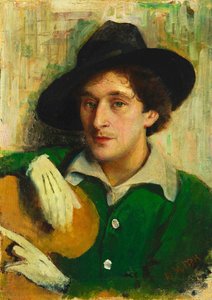
1887 - 1985 , ベラルーシ

Embark on a journey through the dreamlike masterpieces of Marc Chagall. Explore the profound symbolism and vibrant colors of this Surrealist icon. Discover the history behind his legendary works and find museum-quality, hand-painted oil reproductions at Most-Famous-Paintings.com.

Explore the profound history of Expressionism. From Edvard Munch to Jackson Pollock, discover how artists used distortion and color to convey raw emotion. A definitive guide for art lovers seeking deep historical context and mastery in fine art reproductions.

Explore the profound history of Surrealist Expressionism. Discover how artists blended dream logic with raw emotion to navigate post-war trauma through masterful, evocative imagery and psychological depth.


最新の美術ニュース、限定オファー、そしてインテリアのアイデアをいち早くお届けします。
お客様のプロジェクトについてお聞かせください。当社の美術専門家が、お客様に合わせた3つのパーソナライズされた芸術提案をご提供いたします。
あなたにぴったりの3作品を無料で厳選いたします


 プレビュー
プレビュー
 プリントを購入
 シェアする
シェアする シェアする
シェアする
 詳細を見る
詳細を見る

 ダウンロード
 似ている作品
 X線調査
X線調査 スライドショー

 詳細を見る
詳細を見る









 ガラスオプションは、110cm未満のサイズでのみご利用いただけます。