x
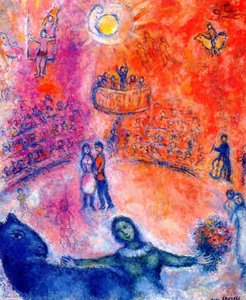
 キャンバスに油彩ウォールアートExpressionism
 1932モダン
 73.0 x 92.0 cm
 Tel Aviv Museum of Art
当社のアーティストが、お客様のご希望のサイズと額縁に合わせて、キャンバスに手描きで制作する油彩画です。 ( プリント版に切り替え 画像に切り替え)





























作品のオリジナル比率に合わせた、当店の規定サイズからお選びください。

特定のフレームやスペースに合わせて、ご希望のサイズをご入力いただけます。選択されたサイズが元の画像の比率と異なる場合、アートワークをトリミングするか、手描きで要素を追加して絵画を拡張いたします。デジタルモックアップ を制作し、制作開始前にご確認(承認)をいただきます。
画面上のプレビューは、実際のトリミングや拡張を正確に反映しているものではありません。最終的な構図は、モックアップによってのみ正確にご確認いただけます。
カスタムサイズもご利用いただけますが、元の比率を維持するためには、あらかじめ用意されたリストからサイズを選択することをお勧めいたします。

The Wailing Wall
複製画のサイズ
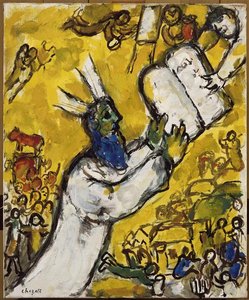
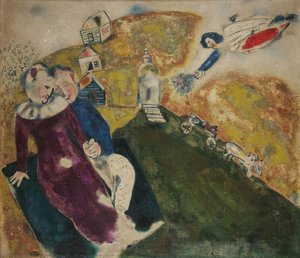
In the quiet, textured expanse of Marc Chagall’s 1932 masterpiece, The Wailing Wall, the viewer is not merely looking at a depiction of a historical site, but is instead invited into a profound moment of spiritual communion. The painting centers on the monumental stones of the Western Wall in Jerusalem, known as the Kotel, which dominate the composition with an imposing, ancient presence. Chagall does not present the wall as a cold, architectural relic; rather, through his masterful use of light and shadow, he breathes life into the limestone, making the very stones feel heavy with the weight of centuries of prayer. Scattered subtly throughout this sacred landscape are small, delicate figures—individuals lost in quiet contemplation, reading, or bowing in reverence. These figures serve as a poignant reminder that while the wall is a massive, enduring monument, its true essence lies in the intimate, personal connection between the human spirit and the divine.
The technique employed in this oil on canvas reflects Chagall’s unique ability to bridge the gap between realism and impressionistic dreamscapes. Eschewing the rigid precision of academic painting, Chagall utilizes loose, expressive brushstrokes that create a dynamic, tactile surface. This layered approach allows light to appear as if it is diffusing through an overcast sky, casting a soft, ethereal glow over the scene. The palette is intentionally muted, favoring earthy tones and subtle shadows that emphasize the uneven, weathered textures of the ancient masonry. For the discerning collector or interior designer, this technique offers a remarkable depth; the painting possesses a rhythmic movement that draws the eye across its surface, discovering new nuances of light and shadow with every glance.
To understand The Wailing Wall, one must look through the lens of Chagall’s own rich heritage. As a painter deeply rooted in the folklore and traditions of his Hasidic Jewish upbringing, Chagall imbues this work with layers of cultural symbolism. The Western Wall, as the last remnant of the Second Temple, stands as a powerful symbol of both profound loss and unyielding hope. It is a site where history and memory converge, acting as a bridge between generations past and the present moment. Chagall captures this duality perfectly; there is a palpable sense of solemnity and mourning within the heavy stones, yet the soft, luminous quality of his light suggests an enduring spiritual vitality.
For those seeking to incorporate art into a curated space, this piece offers more than just aesthetic beauty; it provides an emotional anchor. The painting does not rely on grand, dramatic gestures to convey its message. Instead, it finds power in the understated—in the quietude of a prayer and the stillness of a sacred site. It is an artwork that speaks of resilience, faith, and the continuity of human experience. Whether placed in a contemplative study or as a focal point in a sophisticated living space, The Wailing Wall serves as a window into a world where the boundaries between the physical and the spiritual are beautifully blurred, making it a timeless acquisition for any lover of fine art.

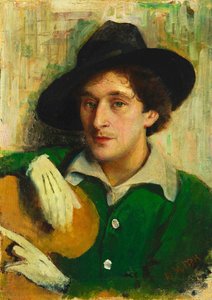
1887 - 1985 , ベラルーシ
マルク・シャガールの傑作25選🎨 夢と色彩に満ちた世界を旅する。愛、故郷、そして希望を描いた名画の物語を紐解き、シャガール作品の魅力を再発見。Most-Famous-Paintingsで高品質な複製画やインテリアアートをお探しください。今すぐコレクションをご覧ください!

Discover the exquisite depth of oil on panel. Explore how Impressionist masters captured light and texture through tactile brushwork, and learn how to bring these museum-quality, hand-painted masterpieces into your home with expert curation.

Explore the rich history & techniques of oil painting – from Renaissance masters to Impressionism. Discover pigments, layering methods, and why this timeless medium endures. Expert insights for artists & art enthusiasts.
ホテルデザインを格上げするフレスコ画の魅力とは?古代から現代までの歴史、技法、デザインプロセスを解説。Most-Famous-Paintings.comでカスタムオーダーも可能です。空間を彩る壁画芸術の世界をご体験ください。

Explore the rich history & enduring techniques of oil painting with Most-Famous-Paintings. Discover masterpieces, learn about art collecting, and find authentic handmade reproductions crafted by skilled artists.


最新の美術ニュース、限定オファー、そしてインテリアのアイデアをいち早くお届けします。
お客様のプロジェクトについてお聞かせください。当社の美術専門家が、お客様に合わせた3つのパーソナライズされた芸術提案をご提供いたします。
あなたにぴったりの3作品を無料で厳選いたします


 プレビュー
プレビュー
 シェアする
シェアする シェアする
シェアする
 詳細を見る
詳細を見る

 ダウンロード
 似ている作品
 X線調査
X線調査 スライドショー
 詳細を見る
詳細を見る









 ガラスオプションは、110cm未満のサイズでのみご利用いただけます。