作品を販売する
ウィッシュリスト ショッピングカート Cart
x
プレビュープレビュー ARで試着ARで試着 手描きの絵画を購入 手描きの絵画を購入画像を購入 画像を購入 シェアするシェアする
詳細を見る詳細を見る お気に入りに追加 お気に入りに追加 ダウンロードダウンロード 似ている作品似ている作品 X線調査X線調査 スライドショースライドショー

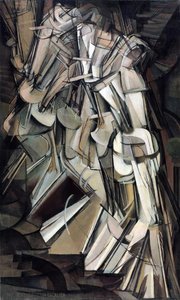
Study for ''Given: 1. The Waterfall, 2. Illuminating Gas''

Marcel Duchamp’s ‘Study for Given: 1. The Waterfall, 2. Illuminating Gas’ – a striking abstract nude study in oil & line. Explore Cubist form & texture.

「マルセル・デュシャン」は、ダダ主義やモナリザのパロディなど、芸術の定義を揺るがす革新的な作品で知られるフランスアメリカンの画家であり、現代美術に大きな影響を与えました。彼の芸術への哲学的な挑戦は、美術史における重要な転換点となりました。

ジークレー/アートプリント

迅速な制作と多彩な仕上げオプションを備えた、ミュージアムクオリティのジークレーまたはキャンバスプリント。 (手描きの絵画を購入 手描きの絵画を購入画像を購入 画像を購入)

P118B $10
P118H $10
P118W $10
P438Z $10
P508JH $12
P508YH $12
P805H $10
P805Z $10
P919BZ $10
P919G $10
P919XJ $10
P959ZH $10
P968JZ $12
W106C $8
W218G $10
W218JH $8
W218Y $10
W307PJ $10
W316G $10
W316PJ $8
W316Y $10
W398PJ $8
W4111J $10
W500HY $15
W500JH $15
W692G $12
W849H $8
W940BG $15
W953PJ $8

Standard
custom
CM
INCH

作品のオリジナル比率に合わせた、当店の規定サイズからお選びください。

高さ

特定のフレームやスペースに合わせて、ご自身でサイズを指定することも可能です。選択されたサイズが元の画像の比率と一致しない場合、作品をトリミングするか、鏡面反射または単色での塗りつぶしによって画像を拡張いたします。制作を開始する前に、ご確認用のデジタルモックアップをお送りいたします。
画面上のプレビューには、実際のトリミングや拡張は反映されませんのでご注意ください。最終的な構図を正確に確認できるのは、モックアップのみとなります。
カスタムサイズも承っておりますが、元の比率を維持するためには、あらかじめ用意されたリストからサイズを選択することをお勧めいたします。

世界中への配送()は、標準の4〜5週間ではなく、2週間でお届けいたします。(18 8月)

why_choose_icon
世界中へ無料エクスプレス配送
why_choose_icon
高品質なリネンキャンバス
why_choose_icon
配送時完全保険付
why_choose_icon
関税・輸入税の払い戻し保証
why_choose_icon
忠実な色彩再現保証
why_choose_icon
60日間返品保証(製造上の欠陥のみ)
why_choose_icon
100% 全額返金保証
why_choose_icon
まとめ買い割引のご案内

合計金額

$ 68

reproduction

Study for ''Given: 1. The Waterfall, 2. Illuminating Gas''

ジークレー/アートプリント

複製画のサイズ

-

合計金額

$ 68

作品詳細

  • subject: Nude female figure
  • year: 1949
  • title: Study for ''Given: 1. The Waterfall, 2. Illuminating Gas''
  • medium: Oil on canvas (presumed)
  • artist: Marcel Duchamp

アート・クイズ

各質問の正解は1つだけです。

問題 1:
To which artistic movements is Marcel Duchamp's 'Study for ''Given: 1. The Waterfall, 2. Illuminating Gas'' ' most closely associated?
問題 2:
What is the primary subject matter of this artwork?
問題 3:
The description notes that Duchamp's work often challenges traditional notions of art. Which of his famous works exemplifies this challenge most prominently?
問題 4:
How would you best describe the artist's approach to form in 'Study for ''Given: 1. The Waterfall, 2. Illuminating Gas'' '?
問題 5:
What is a key characteristic emphasized in the artwork's description, alongside form?

作品詳細説明

A Study in Form: Marcel Duchamp’s ‘Given: 1. The Waterfall, 2. Illuminating Gas’

This captivating work by Marcel Duchamp, created in 1949, is not a finished painting but rather a meticulously planned *study* for his ambitious and enigmatic final project, “Étant donnés” (Given). It offers a compelling glimpse into the artist's evolving artistic concerns and provides valuable insight into the complex layers of meaning embedded within his larger work. The piece presents an abstracted nude female figure dramatically positioned against a textured, undulating backdrop.

Deconstructing the Figure: Style & Technique

Duchamp’s approach here is decidedly anti-illusionistic. He eschews traditional representational techniques in favor of a highly stylized and geometric rendering. The figure is broken down into simplified planes and angular lines, reminiscent of Cubism and early Modernist aesthetics. This fragmentation isn't about accurately depicting the human form; it’s about exploring its essential structure and challenging conventional notions of beauty. The artist employs a limited palette of browns and earth tones, emphasizing texture through visible brushstrokes and layered paint application – suggesting an almost sculpted quality to both figure and ground. The technique prioritizes form, line, and surface over realistic depiction.

Duchamp & the Nude: A Historical Context

Throughout art history, the nude has served as a vehicle for exploring ideals of beauty, mythology, and religious narratives. Duchamp, however, subverts this tradition. While acknowledging the historical weight of the nude in Western art – from classical Greek sculpture to Renaissance masterpieces – he deliberately dismantles its conventional associations. His work exists within a post-war artistic landscape grappling with existentialism and challenging established norms. The history of the nude is complex; as explored by scholars like Kenneth Clark, there's a distinction between being “naked” (stripped of clothing) and presenting a carefully constructed "nude" – an idealized form. Duchamp’s work leans towards a deconstruction of both concepts, offering something altogether different.

Unveiling the Symbolism: Beyond Representation

The title itself, “Given: 1. The Waterfall, 2. Illuminating Gas,” is deliberately ambiguous and invites multiple interpretations. Duchamp was fascinated by wordplay and paradoxes, often embedding hidden meanings within his titles and imagery. The waterfall could symbolize a flow of energy or unconscious desires, while the illuminating gas might represent revelation or exposure. However, Duchamp resisted definitive explanations, preferring to leave room for individual interpretation. The work’s power lies in its open-endedness; it doesn't *tell* you what to think but rather *provokes* questions about perception, desire, and the nature of representation.

Emotional Resonance & Artistic Legacy

Despite its abstract style, this study evokes a powerful sense of tension and mystery. The figure’s contorted pose and fragmented form suggest vulnerability and perhaps even a subtle eroticism, though it's presented in a detached, almost clinical manner. This deliberate ambiguity is characteristic of Duchamp’s work. It challenges viewers to confront their own preconceptions about the body, sexuality, and art itself. As a precursor to “Étant donnés,” this study stands as a testament to Duchamp’s innovative spirit and his enduring influence on 20th-century art – particularly Conceptual Art and its emphasis on ideas over aesthetics. It's a piece that rewards careful contemplation and continues to resonate with audiences today.

Considerations for Collectors & Designers

  • A Statement Piece: This artwork, or a high-quality reproduction, serves as a striking focal point in any collection.
  • Modern Interiors: Its abstract form and muted color palette complement modern and minimalist interior design schemes.
  • Conversation Starter: Duchamp’s work is renowned for its intellectual depth and ability to spark dialogue.
  • Historical Significance: Owning a piece connected to such an influential artist adds prestige and cultural value.

アーティストの略歴

マルセル・デュシャン:芸術の定義を覆した革命家

マルセル・デュシャンは、1887年にノルマンディー地方ブレーヌヴィル=シュル=メールで生まれ、1968年にパリでその生涯を終えたフランス系アメリカ人アーティストです。彼は単なる画家ではありませんでした。むしろ、芸術の概念そのものを問い直し、現代美術の流れを大きく変えた思想的な挑発者だったのです。デュシャンの幼少期は一見すると平凡に見えるかもしれません。芸術を愛する家庭に育ち、兄弟たちはそれぞれ才能あるアーティストとして成功を収めました。しかし、この伝統的な環境の中でさえ、彼は既存の規範を打ち破るような、型破りな才能を秘めていました。デュシャンは当初、伝統的な技法を習得し、印象派以降のスタイルを実験しましたが、それは単なる技術の習得ではなく、芸術の本質、目的、そして定義そのものを問いかけるための基盤となったのです。彼の飽くなき知的探求心こそが、多作なキャリア全体を特徴づけるものとなりました。

キュビスムからダダイズムへ:伝統からの脱却

デュシャンの芸術的遍歴は、常に進化し、確立された規範を意図的に放棄するものでした。初期のキュビスムへの関わり(1911年の『チェスプレイヤーの肖像』に見られるように)は、断片化された形態と多角的な視点に対する興味を示唆しており、伝統的な表現からの脱却でした。しかし、彼は単に視覚的要素を再配置するだけでは、彼が抱えるより深い問いに答えることはできないことに気づきました。第一次世界大戦の惨劇は、彼の不満をさらに煽り上げ、論理や理性、そして伝統的な芸術価値観を拒絶する運動であるダダイズムへと導きました。ダダイズムの中でこそ、デュシャンは初めて従来の芸術的概念を根本から覆し始めました。彼は美しいオブジェクトを作り出すことに関心を持っていませんでした。むしろ、思考を刺激し、前提を揺さぶり、美学的な判断の恣意性を暴露することを目的としていたのです。この時期に、彼の最も革新的なアイデアである「レディメイド」が誕生しました。

レディメイドと芸術の転覆

レディメイド——日常的で製造されたオブジェクトを選択し、芸術作品として提示する——デュシャンの最も重要な貢献です。これらは単なる偶然の発見物ではありませんでした。むしろ、芸術的な転覆という意図的な行為だったのです。例えば、小便器を『噴水』と名付け、R. Muttという偽名で独立アーティスト展に出品したことで、芸術的技能や作者そのものの定義に挑戦しました。作品は、誰が作ったのか、アーティストの手なのか、それともアイデアなのか?この問いかけこそが彼の実践の中心となり、コンセプトアートの基礎を築いたのです。『L.H.O.O.Q.』(1919年)のような他の著名なレディメイドは、モナ・リザの複製に口ひげと顎髭を描き加えたものであり、芸術史や確立された文化的アイコンに対する遊び心のある、しかし鋭い批判でした。これらの作品は、その美的な品質のために賞賛されることを意図したものではありませんでした。むしろ、議論を巻き起こし、鑑賞者が芸術とは何かという先入観を見直すよう促すことを目的としていたのです。デュシャンは、芸術は目に留まるのではなく、心に宿るべきだと信じていました。

遺産と持続的な影響

マルセル・デュシャンの現代美術に対する影響力は計り知れません。彼は芸術の理解を根本的に変え、コンセプトアート、ミニマリズム、ポップアートなど、数多くの運動への道を開きました。アーティストのアイデア——作品背後にある概念——がその美学的な品質よりも重要であるという彼の強調は、今日でもアーティストにインスピレーションを与え続けています。
  • キュビスム: 形態の断片化と空間表現の初期の研究。
  • ダダイズム: 論理や理性、そして伝統的な芸術的価値観を拒絶し、第一次世界大戦への反応として生まれた運動。
  • コンセプトアート: 作品の美学的な品質よりも、作品背後にあるアイデアに重点を置く芸術形態。
彼の作品は今なお議論を呼び起こし、鑑賞者に創造性と芸術的表現に対する前提を見直すよう促しています。デュシャンは単なるアーティストではありませんでした。彼は哲学者であり、挑発者であり、あらゆるものを疑問視する勇気を持った革命家だったのです。彼は現代美術の世界における中心的な存在であり続けており、彼の遺産は今日でも強く響き渡っています。『大ガラス』(1915-1923年)は、その複雑な象徴性と謎めいたイメージで、彼の知的厳格さと永続的な影響力を物語る証です。デュシャンの作品は答えを与えるのではなく、問いを投げかけるのです。そして、それらの問いかけこそが、私たちに挑戦し、インスピレーションを与え続けているのです。
マルセル・デュシャン

マルセル・デュシャン

1887 - 1968 , フランス

基本情報

  • フルネーム: マルセル・デュシャン
  • 主な作品:
    • ファウンテン
    • L.H.O.O.Q.
    • 大きなガラス
    • ボワテ・アン・ヴァリーズ
  • 出生地: ブロインヴィル=レ=ブーア(フランス)
  • 国籍: フランス系アメリカ人
  • 影響を与えたアーティストまたは運動:
    • 概念美術
    • ポップアート
    • ミニマルアート
  • 死亡年月日: 1968年10月2日
  • 生年月日: 1887年7月28日
  • 芸術運動またはスタイル:
    • キュビスム
    • ダダイスム
    • 概念美術
テーマ、スタイル、特徴別に分類された作品を探索しましょう。