x































作品のオリジナル比率に合わせた、当店の規定サイズからお選びください。

特定のフレームやスペースに合わせて、ご希望のサイズをご入力いただけます。選択されたサイズが元の画像の比率と異なる場合、アートワークをトリミングするか、手描きで要素を追加して絵画を拡張いたします。デジタルモックアップ を制作し、制作開始前にご確認(承認)をいただきます。
画面上のプレビューは、実際のトリミングや拡張を正確に反映しているものではありません。最終的な構図は、モックアップによってのみ正確にご確認いただけます。
カスタムサイズもご利用いただけますが、元の比率を維持するためには、あらかじめ用意されたリストからサイズを選択することをお勧めいたします。

The thicket
複製画のサイズ
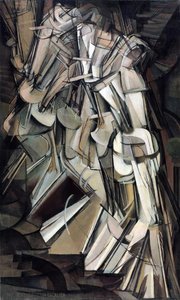
Marcel Duchamp’s “The Thicket,” painted around 1918, is not merely a depiction of two women; it’s a carefully constructed meditation on the very essence of artistic representation and human connection. This evocative work, rendered in a predominantly blue palette, immediately draws the viewer into an intimate tableau – one of quiet contemplation and tender interaction. The scene unfolds with a remarkable simplicity: a kneeling woman, bathed in the cool tones of the background, receives a gentle touch from the standing figure behind her. The composition avoids overt narrative, instead focusing on capturing a fleeting moment, a shared experience that resonates with universal themes of vulnerability and affection.
Created during a period of immense artistic upheaval – the rise of Cubism, Futurism, and the burgeoning Dada movement – “The Thicket” exemplifies Duchamp's radical departure from traditional representational art. Born Henri-Robert-Marcel Duchamp in 1887, he rejected the academic constraints of his early training, famously declaring that art should be ‘about the idea,’ not just a skillful rendering of reality. This philosophy is powerfully evident here; the painting’s power lies not in its technical execution – though it demonstrates a clear understanding of color and form – but in its ability to provoke thought about the nature of perception and artistic value. Duchamp's influence extends far beyond his immediate contemporaries, shaping the course of 20th-century art and paving the way for Conceptual Art.
The painting’s technique is characterized by a deliberate flatness of field and a restrained use of color. The blue tones dominate, creating a sense of melancholy and introspection. Duchamp's brushwork is precise yet subtly textured, avoiding any illusionistic depth. The composition itself is deceptively simple: the diagonal lines created by the figures and trees lead the eye through the scene, while the kneeling woman’s posture invites the viewer to step into the intimate space she occupies. The background trees, rendered with a degree of abstraction, serve not as mere decorative elements but as integral components of the overall composition, contributing to the painting's sense of depth and atmosphere.
"The Thicket" resists easy interpretation, deliberately blurring the lines between representation and abstraction. The act of kneeling suggests submission or reverence, while the hand on the head represents comfort, protection, or perhaps even a subtle power dynamic. The blue palette contributes to an atmosphere of quiet contemplation and emotional vulnerability. Duchamp’s work invites viewers to engage with their own interpretations, recognizing that art's true value lies not in its literal depiction but in its ability to evoke emotion and stimulate thought. This piece is a testament to Duchamp's belief that the artist's role is to challenge conventions and provoke dialogue, making it a profoundly significant addition to the canon of modern art.


1887 - 1968 , フランス

Find serenity with 10 minimalist masterpieces! Explore Agnes Martin, Rothko & more. Discover the stories behind iconic abstract art, neutral palettes & calming designs. Museum-quality reproductions at Most-Famous-Paintings.com – elevate your home decor today!

Explore the revolutionary Dada art movement! Discover its origins, key artists like Duchamp & Arp, and lasting impact on modern art. A deep dive into anti-art & challenging conventions.
Find serenity with our Top 10 tranquil artworks! Explore masterpieces by Monet, Van Gogh & more. Discover the stories behind calming Impressionist landscapes and peaceful Japanese art. Museum-quality reproductions at .

Journey through 10 legendary etching masterpieces by Rembrandt, Dürer & Goya. Explore the history of printmaking and discover timeless art for your home. Find museum-quality reproductions at Most-Famous-Paintings.com.

Explore 10 legendary 'Acrylic On Canvas' masterpieces by artists like Rothko, Warhol & Frankenthaler. Discover the stories behind these iconic paintings and their impact on modern art. Find museum-quality reproductions at – elevate your home with timeless beauty.


最新の美術ニュース、限定オファー、そしてインテリアのアイデアをいち早くお届けします。
お客様のプロジェクトについてお聞かせください。当社の美術専門家が、お客様に合わせた3つのパーソナライズされた芸術提案をご提供いたします。
あなたにぴったりの3作品を無料で厳選いたします


 プリントを購入
 シェアする
シェアする シェアする
シェアする
 詳細を見る
詳細を見る

 ダウンロード
 似ている作品
 X線調査
X線調査 スライドショー

 詳細を見る
詳細を見る









 ガラスオプションは、110cm未満のサイズでのみご利用いただけます。