


x































作品のオリジナル比率に合わせた、当店の規定サイズからお選びください。

特定のフレームやスペースに合わせて、ご自身でサイズを指定することも可能です。選択されたサイズが元の画像の比率と一致しない場合、作品をトリミングするか、鏡面反射または単色での塗りつぶしによって画像を拡張いたします。制作を開始する前に、ご確認用のデジタルモックアップをお送りいたします。
画面上のプレビューには、実際のトリミングや拡張は反映されませんのでご注意ください。最終的な構図を正確に確認できるのは、モックアップのみとなります。
カスタムサイズも承っておりますが、元の比率を維持するためには、あらかじめ用意されたリストからサイズを選択することをお勧めいたします。

Skulls
複製画のサイズ
Marlene Dumas’s paintings are instantly recognizable for their stark simplicity—often consisting of just a few figures rendered in muted tones against sparsely populated backgrounds. Yet, beneath this deceptively calm surface lies an unsettling exploration of human vulnerability and the inescapable presence of death. Born in Cape Town, South Africa, in 1953, Dumas’s artistic vision has been profoundly shaped by her upbringing amidst the turbulent legacy of apartheid, fostering a deep sensitivity to social injustice and the complexities inherent in defining identity.
Her formative years on her father’s vineyard instilled within her an acute awareness of the divisions that characterized South African society—a landscape simultaneously beautiful and scarred by history. This early exposure fueled her artistic impulse to grapple with themes of race, sexuality, and the psychological burden of existence. Dumas honed her skills at the University of Cape Town before relocating to Amsterdam, where she pursued studies in painting and psychology concurrently.
Dumas’s distinctive technique—characterized by loose brushstrokes, dripping paint, and a deliberate rejection of meticulous detail—serves as a conduit for conveying profound emotional resonance. She draws inspiration from a private archive of photographs, meticulously curated to encompass subjects ranging from children to erotic nudes, corpses, torture victims, and terrorists. This selection reflects her unwavering commitment to confronting uncomfortable truths about human experience and challenging conventional perceptions.
The recurring motif of skulls—a symbol of mortality and contemplation—dominates her oeuvre, prompting viewers to confront existential questions about life's fragility and impermanence. Dumas’s paintings don’t merely depict death; they invite us to consider it as an integral component of the human condition. Her aim isn’t to showcase gruesome imagery but rather to reveal underlying anxieties and vulnerabilities—to illuminate the profound psychological dimensions of confronting mortality.
Her artistic process deliberately disrupts photographic sources, reclaiming corporeality within the visual realm. The resulting images evoke a palpable sense of unease alongside empathy, prompting reflection on issues of gender, race, and ethnicity. Dumas’s paintings stand as powerful testimonies to the enduring capacity for art to provoke dialogue and challenge ingrained biases—a legacy rooted in her formative experiences amidst South Africa's turbulent past.
Consider commissioning a high-quality reproduction from Most-Famous-Paintings.com to bring Dumas’s evocative imagery into your home or studio, allowing you to appreciate the subtle nuances of her masterful technique and profound artistic vision.


1953 - , 南アフリカ

カスタムポートレートで、大切な想いを唯一無二のアート作品に。熟練アーティストが油絵技法を駆使し、背景や色彩を通して感情の共鳴を生み出します。ギフトやインテリアにも最適。高品質な肖像画をご希望なら。

Explore the rich history of portrait painting with expert insights into Renaissance masterpieces & modern innovations. Discover artists, movements & commission a custom oil painting at Most-Famous-Paintings.
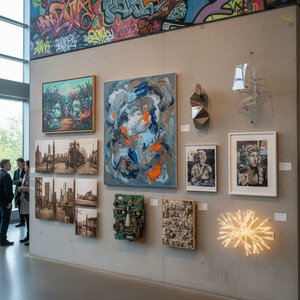
Explore 10 defining masterpieces of contemporary art – from Jeff Koons to Yayoi Kusama. Discover the stories behind iconic paintings & sculptures, and find museum-quality reproductions for your home at Most-Famous-Paintings.com. Explore the full collection online!

Discover the art of commissioning bespoke oil paintings blending classical techniques with modern digital precision. Expert artists, personalized service & museum-quality results. Invest in a timeless masterpiece today.

現代リアリズムを代表する10選。巨匠たちの技と情熱が息づく至宝の世界へ。油絵、超写実主義など、感動的なアート体験を。Most-Famous-Paintings.comで、あなただけの空間を彩る名作を見つけませんか?


最新の美術ニュース、限定オファー、そしてインテリアのアイデアをいち早くお届けします。
お客様のプロジェクトについてお聞かせください。当社の美術専門家が、お客様に合わせた3つのパーソナライズされた芸術提案をご提供いたします。
あなたにぴったりの3作品を無料で厳選いたします


 Preview
 手描き複製画を注文する
 シェアする
シェアする シェアする
シェアする
 詳細を見る
詳細を見る

 ダウンロード
 似ている作品
 X線調査
X線調査 スライドショー


 詳細を見る
詳細を見る









 ガラスオプションは、110cm未満のサイズでのみご利用いただけます。


