x
迅速な制作と多彩な仕上げオプションを備えた、ミュージアムクオリティのジークレーまたはキャンバスプリント。 ( 手描きの絵画を購入 画像を購入)





























作品のオリジナル比率に合わせた、当店の規定サイズからお選びください。

特定のフレームやスペースに合わせて、ご自身でサイズを指定することも可能です。選択されたサイズが元の画像の比率と一致しない場合、作品をトリミングするか、鏡面反射または単色での塗りつぶしによって画像を拡張いたします。制作を開始する前に、ご確認用のデジタルモックアップをお送りいたします。
画面上のプレビューには、実際のトリミングや拡張は反映されませんのでご注意ください。最終的な構図を正確に確認できるのは、モックアップのみとなります。
カスタムサイズも承っておりますが、元の比率を維持するためには、あらかじめ用意されたリストからサイズを選択することをお勧めいたします。

Das Schnabelpaar
複製画のサイズ
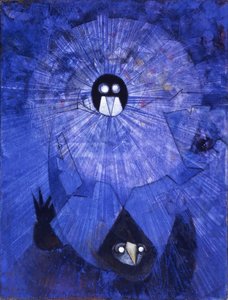
Max Ernst's Das Schnabelpaar (The Beak Pair), created in 1953, is a deceptively simple yet profoundly unsettling work that encapsulates the core tenets of Dadaism and Surrealism. This painting, rendered as an illustrated book with nine etchings – seven utilizing aquatint, one incorporating paint additions, and one remaining inkless – offers a glimpse into Ernst’s enduring fascination with the subconscious and his deliberate disruption of traditional artistic conventions. The image depicts two birds, their elongated necks drawing the viewer's eye, standing in a tableau of quiet tension as one holds an egg delicately within its beak. The presence of a prominent clock on the left side adds another layer of complexity, hinting at themes of time, mortality, and perhaps, the fractured nature of reality itself.
Born in Brühl, Germany, in 1891, Max Ernst’s artistic trajectory was marked by a relentless pursuit of unconventional ideas. His early exposure to philosophy, art history, and psychology – all rigorously studied at the University of Bonn – fueled his desire to challenge established norms and explore the hidden depths of human experience. *Das Schnabelpaar* firmly roots itself within the Dada movement’s rejection of logic and reason, embracing instead a spirit of irrationality and absurdity. However, it transcends mere Dadaist provocation; it's a deeply considered Surrealist work, reflecting Ernst’s interest in automatism – a technique where the artist attempts to bypass conscious control and tap into the unconscious mind – to generate imagery that evokes dreamlike states and unsettling juxtapositions.
The birds themselves are potent symbols. Often associated with freedom, fertility, and transformation, their presence here is imbued with a sense of unease. The elongated necks suggest vulnerability and perhaps a heightened awareness, while their stillness hints at a suspended moment, caught between action and contemplation. The clock, a recurring motif in Ernst’s work, serves as a stark reminder of the relentless passage of time – a concept frequently explored by Surrealists to represent anxiety about mortality and the loss of control. The egg, held carefully within the bird's beak, is perhaps the most evocative element; it represents potential, new beginnings, but also fragility and the precariousness of existence. The combination of these elements creates a powerful visual paradox.
Ernst’s masterful use of aquatint – a technique involving the controlled application of acid to create tonal variations in etched plates – lends *Das Schnabelpaar* a remarkable depth and richness. The subtle gradations of tone, combined with the delicate lines of the birds' forms, contribute to the painting’s haunting atmosphere. The overall effect is one of quiet contemplation mixed with underlying anxiety. It’s a work that invites viewers to confront uncomfortable questions about time, mortality, and the nature of reality – a testament to Ernst’s genius in translating psychological complexity into a visually arresting and emotionally resonant image. This piece remains a cornerstone of Surrealist art, offering a compelling glimpse into the mind of one of its most innovative figures.

1891 - 1976 , ドイツ

Explore the profound history and technical mastery of woodcut relief printing. From ancient origins to German Expressionism, discover how artists use the subtractive process to create iconic works. A definitive guide for art students, collectors, and historians.


最新の美術ニュース、限定オファー、そしてインテリアのアイデアをいち早くお届けします。
お客様のプロジェクトについてお聞かせください。当社の美術専門家が、お客様に合わせた3つのパーソナライズされた芸術提案をご提供いたします。
あなたにぴったりの3作品を無料で厳選いたします


 プレビュー
プレビュー
 シェアする
シェアする シェアする
シェアする
 詳細を見る
詳細を見る

 ダウンロード
 似ている作品
 X線調査
X線調査 スライドショー

 詳細を見る
詳細を見る









 ガラスオプションは、110cm未満のサイズでのみご利用いただけます。