


x
迅速な制作と多彩な仕上げオプションを備えた、ミュージアムクオリティのジークレーまたはキャンバスプリント。 ( 手描きの絵画を購入 画像を購入)





























作品のオリジナル比率に合わせた、当店の規定サイズからお選びください。

特定のフレームやスペースに合わせて、ご自身でサイズを指定することも可能です。選択されたサイズが元の画像の比率と一致しない場合、作品をトリミングするか、鏡面反射または単色での塗りつぶしによって画像を拡張いたします。制作を開始する前に、ご確認用のデジタルモックアップをお送りいたします。
画面上のプレビューには、実際のトリミングや拡張は反映されませんのでご注意ください。最終的な構図を正確に確認できるのは、モックアップのみとなります。
カスタムサイズも承っておりますが、元の比率を維持するためには、あらかじめ用意されたリストからサイズを選択することをお勧めいたします。

Fruit of a Long Experience
複製画のサイズ
Max Ernst’s Fruit of a Long Experience stands as a cornerstone of Dada art—a movement born from the disillusionment of postwar Europe and fueled by an urgent desire to dismantle established artistic conventions. More than just a painting; it’s a deliberate provocation, a manifesto of irrationality presented in deceptively simple form.
Painted in 1919, shortly after Ernst’s return from his travels in Morocco—where he encountered Surrealist influences—the artwork embodies the Dada ethos. Rejecting academic realism and embracing chance operations, Ernst employed techniques like frottage (rubbing textures onto paper) and collage to generate imagery that defied logical explanation. This wasn't about depicting reality; it was about confronting viewers with subconscious associations and disrupting their perceptions.
The painting’s palette is dominated by earthy browns and muted greens—a deliberate contrast against the vibrant hues favored by Impressionists. Scattered throughout the canvas are nails, screws, and other industrial objects—symbols of mechanization and societal decay—carefully juxtaposed with botanical elements like leaves and fruit. Ernst meticulously crafted this assemblage using oil paint on wood relief, achieving remarkable textural detail.
Observe the placement of tools: a hammer leans slightly to the left center, while scissors are positioned prominently on the left side. These instruments aren’t merely decorative; they represent the artist's active engagement with artistic process and his willingness to challenge traditional notions of craftsmanship. Ernst’s meticulous attention to detail underscores his technical skill and reinforces the painting’s unsettling atmosphere.
Beyond its formal qualities, Fruit of a Long Experience speaks to the broader anxieties of the Dada movement—its rejection of bourgeois values and its embrace of nihilistic ideas. The inclusion of nails symbolizes destruction, while the fruit represents fertility and renewal—creating a paradoxical tension that encapsulates Dada’s core concerns.
Consider Ernst's engagement with Surrealist thought alongside Dada principles. Like Yves Tanguy and Urs Fischer, Ernst explored dreamlike landscapes and psychological imagery, reflecting the influence of Freud’s theories on unconsciousness. His work continues to resonate today as a testament to the power of art to disrupt complacency and provoke intellectual debate.
Fans of Ernst's distinctive style will appreciate La foresta grigia—another striking collage that exemplifies Ernst’s fascination with botanical forms and unsettling juxtapositions.
Furthermore, the legacy of Max Ernst extends beyond Dada and Surrealism. His contributions to modern art are celebrated at Max Ernst, Yves Tanguy & Urs Fischer—where you can discover his artistic evolution and explore the broader context of 20th-century art.

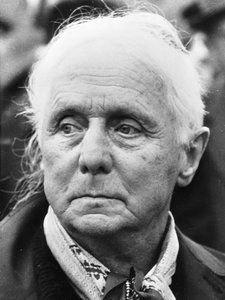
1891 - 1976 , ドイツ

Explore the profound impact of texture in art history. Discover how impasto and plaster techniques define masterpieces by Van Gogh and Cézanne, adding emotional depth and physical dimension to the world's most iconic oil paintings.


最新の美術ニュース、限定オファー、そしてインテリアのアイデアをいち早くお届けします。
お客様のプロジェクトについてお聞かせください。当社の美術専門家が、お客様に合わせた3つのパーソナライズされた芸術提案をご提供いたします。
あなたにぴったりの3作品を無料で厳選いたします


 プレビュー
プレビュー
 シェアする
シェアする シェアする
シェアする
 詳細を見る
詳細を見る

 ダウンロード
 似ている作品
 X線調査
X線調査 スライドショー

 詳細を見る
詳細を見る









 ガラスオプションは、110cm未満のサイズでのみご利用いただけます。


