x


当社のアーティストが、お客様のご希望のサイズと額縁に合わせて、キャンバスに手描きで制作する油彩画です。 ( Switch to Print Switch to Image)





























作品のオリジナル比率に合わせた、当店の規定サイズからお選びください。

特定のフレームやスペースに合わせて、ご希望のサイズをご入力いただけます。選択されたサイズが元の画像の比率と異なる場合、アートワークをトリミングするか、手描きで要素を追加して絵画を拡張いたします。デジタルモックアップ を制作し、制作開始前にご確認(承認)をいただきます。
画面上のプレビューは、実際のトリミングや拡張を正確に反映しているものではありません。最終的な構図は、モックアップによってのみ正確にご確認いただけます。
カスタムサイズもご利用いただけますが、元の比率を維持するためには、あらかじめ用意されたリストからサイズを選択することをお勧めいたします。

L'Amour objectif
複製画のサイズ
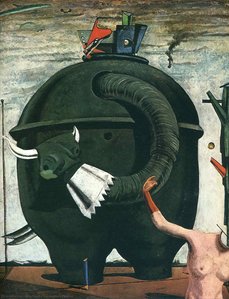
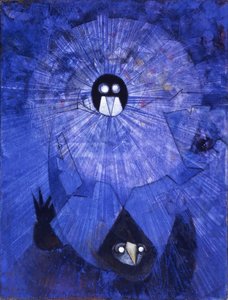
Max Ernst’s “L’Amour Objectif,” painted in 1927, stands as a cornerstone of surrealist art—a movement born from the anxieties and intellectual ferment of post-World War I Europe. More than just a visually arresting image, it's a meticulously crafted meditation on desire, perception, and the subconscious mind, reflecting Ernst’s profound engagement with psychoanalytic theory championed by Sigmund Freud.
At first glance, “L’Amour Objectif” presents a deceptively simple tableau: a bird—a recurring motif in Ernst’s oeuvre—dominates the central space. However, this seemingly straightforward depiction belies a complex compositional arrangement. The bird is positioned slightly off-center, drawing the eye upwards towards the upper right corner where a clock resides – a deliberate reference to Freud's concept of time as an illusion and a symbol of repressed anxieties.
Ernst’s artistic style is unmistakably surrealist, characterized by dreamlike imagery, illogical juxtapositions, and automatism—a technique he pioneered where artists attempt to bypass conscious thought and tap into the unconscious through spontaneous drawing or painting. The painting utilizes a collage method, layering textured surfaces – including sand and burlap – onto a canvas primed with gesso. Ernst’s meticulous brushwork contributes to the overall textural richness of the artwork, creating an atmosphere of unsettling beauty.
"L'Amour Objectif" emerged during a period marked by significant intellectual upheaval. Freud’s groundbreaking work on psychoanalysis profoundly impacted artists like Ernst, who sought to explore the hidden realms of human psychology and challenge rationalistic perspectives. The painting reflects broader anxieties surrounding societal instability and the disillusionment following the Great War—themes prevalent in Surrealist art as a whole.
The bird itself embodies several symbolic layers: representing freedom, instinct, and vulnerability simultaneously. Its beak—elongated and prominent—suggests an aggressive pursuit of desire while also hinting at fragility. The surrounding objects – the boat, chair, bottles – contribute to a sense of disorientation and fragmentation, mirroring the fractured experience of dreams. Ultimately, “L’Amour Objectif” evokes a feeling of profound unease mingled with fascination—a testament to Ernst's ability to translate psychological complexities into compelling visual narratives.
“L’Amour Objectif” remains an enduring emblem of Surrealist artistry and continues to inspire artists and collectors alike. Its masterful blend of technique, symbolism, and historical context secures its place as a seminal work within the broader canon of 20th-century art—a captivating glimpse into the subconscious mind rendered with breathtaking precision.


1891 - 1976 , ドイツ

Explore the captivating world of surrealism & dreamlike art! Discover key artists like Dalí & Magritte, symbolism's history, and how color evokes emotion. Find high-quality reproductions at Most-Famous-Paintings.
マックス・エルンストの傑作25選。シュルレアリスムを代表する画家、その夢と無意識の世界を描いた絵画や版画を紐解きます。リビングやオフィスに飾るモダンアート、インテリアに最適な作品を見つけませんか?Most-Famous-Paintings.comで全コレクションをオンラインで探す。

Elevate your wine cellar or tasting room with curated art! Expert guidance on landscape paintings, symbolism & lighting to enhance the oenological experience. Discover how art transforms spaces and tells your winery's story.

Explore the captivating world of Max Klinger, a pivotal German Symbolist artist. Discover his groundbreaking prints, psychological themes, & influence on modern art movements like Expressionism. Expert analysis and insights.

夢と現実が交差する、シュルレアリスムの10大傑作の世界へ。ダリ、マグリットなど巨匠たちの作品を深く探求し、アートの新たな次元を発見してください。Most-Famous-Paintings.comで、至高の芸術をあなたの空間に取り入れましょう。


最新の美術ニュース、限定オファー、そしてインテリアのアイデアをいち早くお届けします。
お客様のプロジェクトについてお聞かせください。当社の美術専門家が、お客様に合わせた3つのパーソナライズされた芸術提案をご提供いたします。
あなたにぴったりの3作品を無料で厳選いたします


 Preview
 シェアする
シェアする シェアする
シェアする
 詳細を見る
詳細を見る

 ダウンロード
 似ている作品
 X線調査
X線調査 スライドショー
 詳細を見る
詳細を見る









 ガラスオプションは、110cm未満のサイズでのみご利用いただけます。