x
迅速な制作と多彩な仕上げオプションを備えた、ミュージアムクオリティのジークレーまたはキャンバスプリント。 ( 手描きの絵画を購入 画像を購入)





























作品のオリジナル比率に合わせた、当店の規定サイズからお選びください。

特定のフレームやスペースに合わせて、ご自身でサイズを指定することも可能です。選択されたサイズが元の画像の比率と一致しない場合、作品をトリミングするか、鏡面反射または単色での塗りつぶしによって画像を拡張いたします。制作を開始する前に、ご確認用のデジタルモックアップをお送りいたします。
画面上のプレビューには、実際のトリミングや拡張は反映されませんのでご注意ください。最終的な構図を正確に確認できるのは、モックアップのみとなります。
カスタムサイズも承っておりますが、元の比率を維持するためには、あらかじめ用意されたリストからサイズを選択することをお勧めいたします。

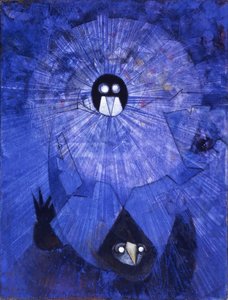
La chanson du décervelage 6
複製画のサイズ
Max Ernst's “La Chanson du Décervelage 6” isn’t merely a monochrome print; it’s a visceral confrontation with mortality, a haunting meditation on humanity’s place within the vast and indifferent universe. The artwork immediately commands attention with its stark simplicity – a skeletal figure dominating the composition, rendered in shades of reddish-brown that evoke both blood and bone. This deliberate lack of color amplifies the unsettling atmosphere, forcing the viewer to confront the subject without distraction. The image feels ancient, almost unearthed from some forgotten corner of the subconscious, hinting at a legend—perhaps referencing Rakshasa or Mother Ubu – adding layers of mystery and symbolic weight.
A careful examination reveals the printmaking process at work. The thick, erratic lines that define the skeleton aren't delicate brushstrokes but rather the deliberate marks of a woodcut or etching technique. This imparts a palpable texture to the image – a roughness and unevenness that mirrors the fragility of life itself. The flattened perspective, devoid of any discernible shadows, further emphasizes the two-dimensional nature of the piece, creating a sense of immediacy and confronting the viewer directly with the subject’s stark reality. The limited depth contributes to this feeling, reinforcing the image's power as a symbolic representation rather than a realistic depiction.
The skeletal figure is, of course, a potent symbol of mortality. However, Ernst elevates this familiar image with his distinctive surrealist approach. The angular construction of the skeleton – built from geometric lines – suggests not just death but also a critique of humanity’s rigid structures and imposed order. The overall composition evokes feelings of isolation, melancholy, and a profound awareness of our own fleeting existence. It's a visual warning, a reminder that even the most imposing civilizations are ultimately destined to crumble into dust. The reference to Rakshasa or Mother Ubu adds another layer of interpretation – perhaps suggesting a monstrous aspect to human ambition and dominance.
Max Ernst, born in Brühl, Germany, in 1891, was a restless innovator who fundamentally reshaped the landscape of 20th-century art. His early exposure to philosophy and psychology profoundly influenced his work, leading him to explore themes of disillusionment, anxiety, and the subconscious. He wasn’t simply interested in replicating reality; he sought to unlock its hidden potential through experimentation with techniques like frottage and grattage – methods that allowed him to tap into a realm beyond conscious control. His exploration of the grotesque, combined with his interest in mythology and folklore, cemented his place as a key figure in the Surrealist movement. Considered alongside works such as “La Chanson du Décervelage 2” and “La chanson du décervelage 1”, Ernst’s oeuvre continues to challenge and provoke viewers, offering a timeless reflection on the human condition. For those seeking a reproduction of this evocative artwork, Most-Famous-Paintings offers meticulously crafted hand-painted reproductions that capture the essence of Ernst's vision with unparalleled detail and fidelity.


1891 - 1976 , ドイツ

Explore the profound history and technical mastery of woodcut relief printing. From ancient origins to German Expressionism, discover how artists use the subtractive process to create iconic works. A definitive guide for art students, collectors, and historians.

Discover the technical mastery behind Most-Famous-Paintings.com's premium Giclée canvas prints. Our guide for elite collectors explores archival pigment inks, museum-grade substrates, and the science of high-fidelity reproduction to ensure lasting beauty and historical accuracy.

Discover the science behind museum-quality Giclée prints. Learn how archival pigment inks, 12-color precision, and museum-grade substrates create high-fidelity art reproductions designed to preserve the soul of historical masterpieces for generations.

Discover the science of perfection with Most-Famous-Paintings.com’s premium art poster prints. Utilizing state-of-the-art giclée technology and archival pigment inks on museum-grade paper, we deliver unparalleled color fidelity and detail for the discerning elite collector.


最新の美術ニュース、限定オファー、そしてインテリアのアイデアをいち早くお届けします。
お客様のプロジェクトについてお聞かせください。当社の美術専門家が、お客様に合わせた3つのパーソナライズされた芸術提案をご提供いたします。
あなたにぴったりの3作品を無料で厳選いたします


 プレビュー
プレビュー
 シェアする
シェアする シェアする
シェアする
 詳細を見る
詳細を見る

 ダウンロード
 似ている作品
 X線調査
X線調査 スライドショー

 詳細を見る
詳細を見る









 ガラスオプションは、110cm未満のサイズでのみご利用いただけます。