x
迅速な制作と多彩な仕上げオプションを備えた、ミュージアムクオリティのジークレーまたはキャンバスプリント。 ( 手描きの絵画を購入 画像を購入)





























作品のオリジナル比率に合わせた、当店の規定サイズからお選びください。

特定のフレームやスペースに合わせて、ご自身でサイズを指定することも可能です。選択されたサイズが元の画像の比率と一致しない場合、作品をトリミングするか、鏡面反射または単色での塗りつぶしによって画像を拡張いたします。制作を開始する前に、ご確認用のデジタルモックアップをお送りいたします。
画面上のプレビューには、実際のトリミングや拡張は反映されませんのでご注意ください。最終的な構図を正確に確認できるのは、モックアップのみとなります。
カスタムサイズも承っておりますが、元の比率を維持するためには、あらかじめ用意されたリストからサイズを選択することをお勧めいたします。

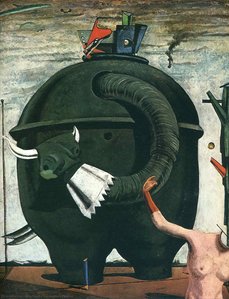
Le facteur Cheval
複製画のサイズ
Max Ernst’s “Le Facteur Cheval” (The Postman Cheval) is not merely a depiction of a man constructed from disparate objects; it’s an invitation to delve into the subconscious, a meditation on identity, and a testament to the power of artistic obsession. Painted in 1920, this enigmatic work exemplifies Ernst's pivotal role within the Surrealist movement, showcasing his unique approach to challenging conventional perceptions of reality. The painting immediately captivates with its bizarre yet strangely compelling composition – a solitary figure seemingly assembled from a collection of meticulously arranged objects: a clock face, a luminous moon, a blushing apple, and a delicate bird, all contributing to a tableau that defies easy interpretation.
The seemingly random arrangement of objects within “Le Facteur Cheval” is laden with symbolic meaning. The clock face, a recurring motif in Ernst’s work, represents time, memory, and the relentless march of existence. The moon, often associated with the subconscious and intuition, adds an element of mystery and dreamlike quality. The apple, a traditional symbol of temptation and knowledge, hints at forbidden desires and hidden truths. The bird, fragile and delicate, could represent freedom or vulnerability. These elements coalesce to create a powerful visual metaphor for the fragmented nature of identity and the struggle to find meaning in a chaotic world.
Ernst’s technique in “Le Facteur Cheval” is characterized by meticulous detail and a masterful use of color. The blue background serves not merely as a backdrop but actively contributes to the painting’s unsettling atmosphere, enhancing the sense of disorientation and dreamlike quality. His application of paint – often employing techniques borrowed from woodcuts and engravings – creates a textured surface that adds to the work's tactile appeal. Ernst was a pioneer in exploring collage and assemblage within his paintings, foreshadowing later developments in Pop Art and Conceptual Art. The painting’s fragmented composition reflects Ernst’s interest in dismantling traditional representational forms and challenging viewers to actively engage with the artwork.
"Le Facteur Cheval" continues to resonate with audiences today because of its profound exploration of fundamental human concerns: identity, perception, and the search for meaning. It’s a work that demands contemplation, inviting viewers to confront their own subconscious desires and anxieties. As a key example of Surrealist art, it demonstrates Ernst's ability to create visually arresting and intellectually stimulating works that remain relevant in the 21st century. This painting is more than just an image; it’s a portal into the mind of one of the most innovative artists of the 20th century.
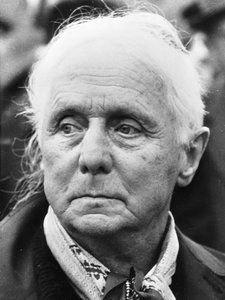
1891 - 1976 , ドイツ

Explore the profound history and technical mastery of woodcut relief printing. From ancient origins to German Expressionism, discover how artists use the subtractive process to create iconic works. A definitive guide for art students, collectors, and historians.

Discover the technical mastery behind Most-Famous-Paintings.com's premium Giclée canvas prints. Our guide for elite collectors explores archival pigment inks, museum-grade substrates, and the science of high-fidelity reproduction to ensure lasting beauty and historical accuracy.

Discover the science behind museum-quality Giclée prints. Learn how archival pigment inks, 12-color precision, and museum-grade substrates create high-fidelity art reproductions designed to preserve the soul of historical masterpieces for generations.


最新の美術ニュース、限定オファー、そしてインテリアのアイデアをいち早くお届けします。
お客様のプロジェクトについてお聞かせください。当社の美術専門家が、お客様に合わせた3つのパーソナライズされた芸術提案をご提供いたします。
あなたにぴったりの3作品を無料で厳選いたします


 プレビュー
プレビュー
 シェアする
シェアする シェアする
シェアする
 詳細を見る
詳細を見る

 ダウンロード
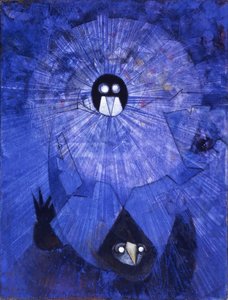
 似ている作品
 X線調査
X線調査 スライドショー

 詳細を見る
詳細を見る









 ガラスオプションは、110cm未満のサイズでのみご利用いただけます。