x





























作品のオリジナル比率に合わせた、当店の規定サイズからお選びください。

特定のフレームやスペースに合わせて、ご希望のサイズをご入力いただけます。選択されたサイズが元の画像の比率と異なる場合、アートワークをトリミングするか、手描きで要素を追加して絵画を拡張いたします。デジタルモックアップ を制作し、制作開始前にご確認(承認)をいただきます。
画面上のプレビューは、実際のトリミングや拡張を正確に反映しているものではありません。最終的な構図は、モックアップによってのみ正確にご確認いただけます。
カスタムサイズもご利用いただけますが、元の比率を維持するためには、あらかじめ用意されたリストからサイズを選択することをお勧めいたします。

Lust for life
複製画のサイズ
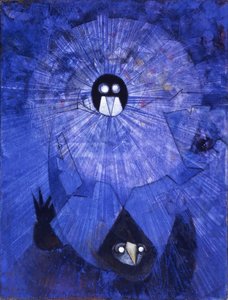
Max Ernst’s 1936 painting, “Lust for Life,” is more than just a depiction of a forest; it’s an embodiment of the artist’s deeply felt exploration of life’s inherent passions and anxieties. The canvas bursts with a vibrant energy, a testament to Ernst's pioneering approach to Surrealism – one rooted not in dreamlike fantasy alone, but in a rigorous engagement with psychological theory and a profound connection to the natural world.
Born in Brühl, Germany, in 1891, Max Ernst was a key figure in the development of Surrealism. He rejected traditional representational art, instead seeking to tap into the unconscious mind through techniques like frottage (rubbing textures onto paper) and decalcomania (spreading paint on a surface and then lifting it off to create random patterns). “Lust for Life” exemplifies these methods; the seemingly haphazard arrangement of foliage and flowers is the result of deliberate, almost meditative processes designed to unlock hidden imagery and emotions. The painting’s textured surface, achieved through Ernst's layering techniques, invites close inspection and encourages viewers to lose themselves in its intricate details.
“Lust for Life” resonates with themes central to Ernst's artistic concerns – the tension between order and chaos, reason and instinct, beauty and decay. The vibrant flora represents the vitality of life, while the shadowed depths of the forest hint at hidden dangers and the unknown. The painting can be interpreted as a reflection on the human desire for fulfillment, a yearning to embrace the full spectrum of experience – both joyful and painful – that defines our existence. Considering Ernst’s intellectual background in psychology and psychiatry, it's reasonable to view this work as an exploration of the subconscious drives and desires that shape human behavior.
Created in 1936, “Lust for Life” reflects the broader artistic currents of the period. Surrealism was gaining momentum as a reaction against the rationalism of the early 20th century, offering an alternative vision rooted in dreams, fantasy, and the exploration of the unconscious. Ernst’s work stands as a pivotal example of this movement, demonstrating its capacity to engage with profound philosophical questions while simultaneously producing visually arresting and emotionally resonant art. This piece is a testament to Ernst's enduring legacy as one of the most innovative and influential artists of his time.

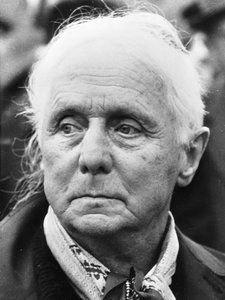
1891 - 1976 , ドイツ
マックス・エルンストの傑作25選。シュルレアリスムを代表する画家、その夢と無意識の世界を描いた絵画や版画を紐解きます。リビングやオフィスに飾るモダンアート、インテリアに最適な作品を見つけませんか?Most-Famous-Paintings.comで全コレクションをオンラインで探す。
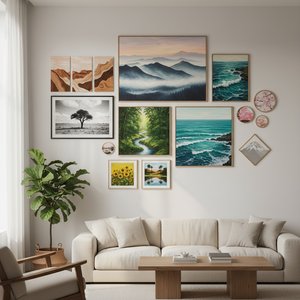
Journey through 10 breathtaking landscape paintings by Monet, Van Gogh & more! Explore iconic artworks, artistic techniques & find inspiration for your home decor. Museum-quality reproductions at Most-Famous-Paintings.com. Discover all masterpieces on Most-Famous-Paintings.com

ロマン派絵画の時代を彩る10選。巨匠たちの風景が織りなす感動の世界へ。ターナー、ルーベンスなど、名作の裏話と高精細複製でアートをお部屋に。Most-Famous-Paintings.comで至福のアート体験を。

Explore the rich history of landscape art with Most-Famous-Paintings. Discover renowned artists, movements like Impressionism & Romanticism, and expert guidance for collecting timeless pieces. Find your perfect serene escape today!
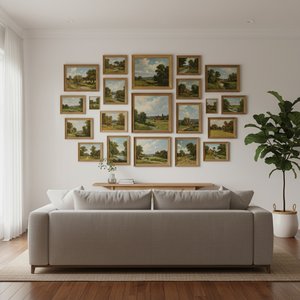
ジョン・コンスタブルの傑作25選。英国風景画の巨匠が描く自然と光の詩の世界へ。ロマン主義を代表する絵画、デダム・ヴェールやヘイ・ウェインなど、Most-Famous-Paintingsで高品質なアートプリントをお楽しみください。インテリアに深みと感動を。コレクションはこちら。


最新の美術ニュース、限定オファー、そしてインテリアのアイデアをいち早くお届けします。
お客様のプロジェクトについてお聞かせください。当社の美術専門家が、お客様に合わせた3つのパーソナライズされた芸術提案をご提供いたします。
あなたにぴったりの3作品を無料で厳選いたします


 プレビュー
プレビュー
 プリントを購入
 シェアする
シェアする シェアする
シェアする
 詳細を見る
詳細を見る

 ダウンロード
 似ている作品
 X線調査
X線調査 スライドショー

 詳細を見る
詳細を見る









 ガラスオプションは、110cm未満のサイズでのみご利用いただけます。