x





























作品のオリジナル比率に合わせた、当店の規定サイズからお選びください。

特定のフレームやスペースに合わせて、ご希望のサイズをご入力いただけます。選択されたサイズが元の画像の比率と異なる場合、アートワークをトリミングするか、手描きで要素を追加して絵画を拡張いたします。デジタルモックアップ を制作し、制作開始前にご確認(承認)をいただきます。
画面上のプレビューは、実際のトリミングや拡張を正確に反映しているものではありません。最終的な構図は、モックアップによってのみ正確にご確認いただけます。
カスタムサイズもご利用いただけますが、元の比率を維持するためには、あらかじめ用意されたリストからサイズを選択することをお勧めいたします。

Nature at Dawn
複製画のサイズ
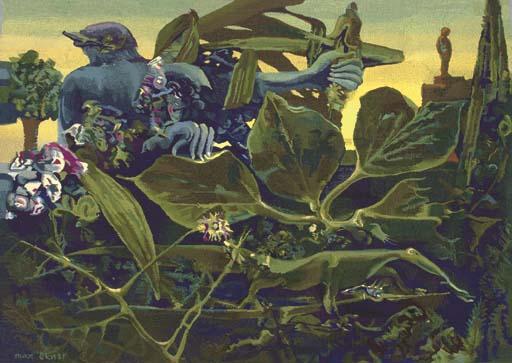
Max Ernst’s “Nature at Dawn,” painted in 1924, stands as an arresting emblem of the Surrealist movement—a visual manifesto born from a profound questioning of rationality and fueled by dreams and subconscious impulses. More than just a depiction of a landscape bathed in nascent sunlight, it's a meticulously crafted allegory that delves into themes of power, vulnerability, and the interconnectedness of humanity and nature.
Ernst’s artistic approach was characterized by an embrace of chance—a deliberate rejection of traditional compositional rules in favor of spontaneous experimentation. He achieved this through a masterful technique of collage, meticulously assembling fragments of printed matter – newspapers, maps, botanical illustrations – onto canvas. These disparate elements weren't merely glued together; they were interwoven with meticulous care, creating textures and patterns that defied linear perspective.
“Nature at Dawn” emerged from the turbulent aftermath of Dada—the nihilistic anti-art movement that challenged bourgeois values. Dada artists deliberately undermined logic and reason, seeking to expose the absurdity of societal conventions. Ernst swiftly transitioned into Surrealism, championed by André Breton, who sought to liberate creativity from conscious control. This artistic lineage reflects a broader intellectual preoccupation with psychoanalysis, particularly Sigmund Freud’s theories on dreams and unconscious desire.
The painting’s symbolism is layered and evocative. At its core is a solitary man perched atop a monumental statue—a figure embodying both strength and confinement. The statue itself represents authority and tradition, while the man’s posture conveys vulnerability beneath the weight of expectation. Above him floats a bird, symbolizing freedom and transcendence – an aspirational element juxtaposed against the static grandeur below. Furthermore, the inclusion of plants sprouting from his back speaks to themes of regeneration and the merging of human and natural realms.
"Nature at Dawn" isn't merely aesthetically pleasing; it compels viewers to confront unsettling questions about identity and perception. The surreal juxtaposition of elements generates a palpable tension—a feeling that something fundamental is shifting beneath the surface. Ultimately, Ernst’s masterpiece invites contemplation on the transformative power of dreams and the enduring allure of exploring the hidden depths of consciousness. It remains an unforgettable testament to Surrealism's ambition to capture the elusive essence of human experience.

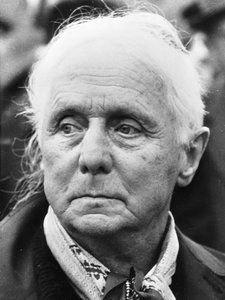
1891 - 1976 , ドイツ

Explore the profound history of sculpture, from classical realism to modern abstraction. Discover the mastery of form, texture, and medium through an expert art-historical lens designed for discerning collectors and enthusiasts.


最新の美術ニュース、限定オファー、そしてインテリアのアイデアをいち早くお届けします。
お客様のプロジェクトについてお聞かせください。当社の美術専門家が、お客様に合わせた3つのパーソナライズされた芸術提案をご提供いたします。
あなたにぴったりの3作品を無料で厳選いたします


 プレビュー
プレビュー
 プリントを購入
 シェアする
シェアする シェアする
シェアする
 詳細を見る
詳細を見る

 ダウンロード
 似ている作品
 X線調査
X線調査 スライドショー
 詳細を見る
詳細を見る









 ガラスオプションは、110cm未満のサイズでのみご利用いただけます。