x
 Acrylic On CanvasWallArtImpressionism
 1921
1921 66.0 x 81.0 cm




























作品のオリジナル比率に合わせた、当店の規定サイズからお選びください。

特定のフレームやスペースに合わせて、ご希望のサイズをご入力いただけます。選択されたサイズが元の画像の比率と異なる場合、アートワークをトリミングするか、手描きで要素を追加して絵画を拡張いたします。デジタルモックアップ を制作し、制作開始前にご確認(承認)をいただきます。
画面上のプレビューは、実際のトリミングや拡張を正確に反映しているものではありません。最終的な構図は、モックアップによってのみ正確にご確認いただけます。
カスタムサイズもご利用いただけますが、元の比率を維持するためには、あらかじめ用意されたリストからサイズを選択することをお勧めいたします。

Seascape
複製画のサイズ
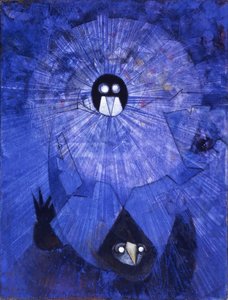
This captivating seascape transports viewers to a dreamlike realm where reality blends seamlessly with imagination. Painted in 1921 by Max Ernst, this artwork embodies the core tenets of Surrealism – a movement that sought to liberate artistic expression from rational constraints.
Ernst’s technique is characterized by “Automatism,” a method pioneered during the Dada era. He employed spontaneous brushstrokes and allowed chance to guide his hand, rejecting meticulous planning in favor of embracing randomness as a catalyst for creativity. The resulting textured surface captures the essence of desert landscapes and evokes feelings of solitude and introspection.
The centerpiece of this surreal landscape is a large vase or urn positioned prominently on a wooden structure amidst a desolate desert environment. This juxtaposition—the organic vase against the arid expanse—immediately establishes a visual paradox that underscores Surrealist principles. The vase’s unusual shape and clay material symbolize resilience and transformation, mirroring Ernst's own artistic journey.
Painted during the tumultuous years following World War I, “Seascape” emerged from the fertile ground of Dada nihilism. However, Ernst swiftly transitioned into Surrealist exploration, recognizing the movement’s potential to delve beneath surface appearances and uncover hidden psychological truths. Surrealism challenged prevailing societal values and championed artistic experimentation as a means of confronting existential anxieties.
Beyond its visual elements, “Seascape” resonates with profound symbolic meaning. The vase represents rebirth and renewal amidst desolation—a metaphor for overcoming adversity and embracing change. The distant boat symbolizes hope and aspiration, while the solitary figure embodies contemplation and self-awareness. Ultimately, this artwork evokes a sense of melancholic beauty, inviting viewers to contemplate the mysteries of consciousness and the transformative power of imagination.
66 x 81 cm


1891 - 1976 , ドイツ

Explore the profound history of landscape masterpieces. From the Barbizon School to Monet's Impressionism, discover how timeless natural scenes bring serenity and prestige to your collection through museum-quality, hand-painted oil reproductions.


最新の美術ニュース、限定オファー、そしてインテリアのアイデアをいち早くお届けします。
お客様のプロジェクトについてお聞かせください。当社の美術専門家が、お客様に合わせた3つのパーソナライズされた芸術提案をご提供いたします。
あなたにぴったりの3作品を無料で厳選いたします


 プレビュー
プレビュー
 プリントを購入
 シェアする
シェアする シェアする
シェアする
 詳細を見る
詳細を見る

 ダウンロード
 似ている作品
 X線調査
X線調査 スライドショー
 詳細を見る
詳細を見る









 ガラスオプションは、110cm未満のサイズでのみご利用いただけます。