x
 CollageWallArtSurrealism
 1929Modern
 98.0 x 79.0 cm




























作品のオリジナル比率に合わせた、当店の規定サイズからお選びください。

特定のフレームやスペースに合わせて、ご希望のサイズをご入力いただけます。選択されたサイズが元の画像の比率と異なる場合、アートワークをトリミングするか、手描きで要素を追加して絵画を拡張いたします。デジタルモックアップ を制作し、制作開始前にご確認(承認)をいただきます。
画面上のプレビューは、実際のトリミングや拡張を正確に反映しているものではありません。最終的な構図は、モックアップによってのみ正確にご確認いただけます。
カスタムサイズもご利用いただけますが、元の比率を維持するためには、あらかじめ用意されたリストからサイズを選択することをお勧めいたします。

The Inner Vision: The Egg
複製画のサイズ
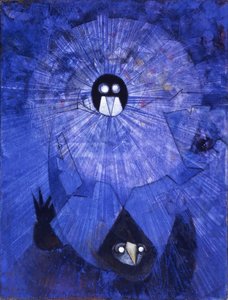
In the vast, labyrinthine corridors of Surrealism, few works capture the unsettling beauty of the psyche as poignantly as Max Ernst’s 1929 masterpiece, The Inner Vision: The Egg. This painting is not merely a visual arrangement; it is an invitation to step beyond the veil of rational thought and enter a realm where the boundaries between reality and dream dissolve. At first glance, the viewer is met with a tableau that feels both strangely familiar and profoundly alien. Two avian figures, rendered with a texture reminiscent of weathered clay or ancient ceramic, are perched atop one another in a delicate, almost fragile balance. This central motif serves as the heartbeat of the composition, anchoring an otherwise disquieting landscape of symbolic fragments.
The brilliance of Ernst’s vision lies in his ability to weave disparate elements into a cohesive emotional tapestry. As your eyes wander across the canvas, you encounter a clock face suspended in the upper reaches of the frame, its presence a silent reminder of the relentless march of time. Nearby, an apple rests in the corner, while a bowl sits nestled at the base, creating a domesticity that feels interrupted by the surreal. This juxtaposition—the temporal measurement of the clock against the organic stillness of the birds and the nurturing suggestion of the bowl—creates a tension that is both captivating and deeply contemplative for any collector seeking art that provokes thought.
To behold The Inner Vision: The Egg is to witness the mastery of Surrealist innovation. Ernst, ever the experimentalist, moved far beyond traditional brushwork, employing techniques such as collage and frottage to breathe life into his visions. By layering textured paper fragments and utilizing the rubbing technique, he generated organic, unpredictable patterns that mimic the chaotic beauty of nature. This method allows the surface of the painting to possess a tactile, almost sculptural quality, making it an extraordinary piece for interior spaces where texture and depth are paramount.
The deliberate disruption of conventional visual order is a hallmark of this work. The way the textures interact with the forms of the birds and the surrounding objects creates a sense of movement within stillness. For the discerning interior designer, this complexity offers a profound layer of sophistication; the painting does not simply sit upon a wall but interacts with the light and atmosphere of a room, offering new discoveries with every glance. It is an exquisite example of how technical experimentation can be harnessed to evoke deep-seated psychological responses.
Emerging from the profound disillusionment following World War I, Ernst’s work embodies the era's fervent embrace of the irrational. The birds in this composition are far more than mere subjects; they act as powerful allegories for duality—representing the interplay between life and death, or the male and female principles. They embody a simultaneous sense of vulnerability and resilience, mirroring the human condition itself. Through his use of symbolic objects like the clock and the bowl, Ernst explores the existential anxieties of his time, contrasting the decay of time with the preservation of life.
Owning a reproduction of such a seminal work allows one to bring a piece of art history's most transformative movement into the modern home. The Inner Vision: The Egg remains a cornerstone of Surrealist inquiry, offering an enduring sense of wonder and intellectual stimulation. Whether placed in a curated gallery setting or as a focal point in a contemporary living space, this painting serves as a window into the infinite depths of the human imagination, making it a timeless acquisition for those who value art that speaks to the soul.


1891 - 1976 , ドイツ

Explore the profound history of sculpture, from classical realism to modern abstraction. Discover the mastery of form, texture, and medium through an expert art-historical lens designed for discerning collectors and enthusiasts.


最新の美術ニュース、限定オファー、そしてインテリアのアイデアをいち早くお届けします。
お客様のプロジェクトについてお聞かせください。当社の美術専門家が、お客様に合わせた3つのパーソナライズされた芸術提案をご提供いたします。
あなたにぴったりの3作品を無料で厳選いたします


 プレビュー
プレビュー
 プリントを購入
 シェアする
シェアする シェアする
シェアする
 詳細を見る
詳細を見る

 ダウンロード
 似ている作品
 X線調査
X線調査 スライドショー
 詳細を見る
詳細を見る









 ガラスオプションは、110cm未満のサイズでのみご利用いただけます。