x


当社のアーティストが、お客様のご希望のサイズと額縁に合わせて、キャンバスに手描きで制作する油彩画です。 ( Switch to Print Switch to Image)





























作品のオリジナル比率に合わせた、当店の規定サイズからお選びください。

特定のフレームやスペースに合わせて、ご希望のサイズをご入力いただけます。選択されたサイズが元の画像の比率と異なる場合、アートワークをトリミングするか、手描きで要素を追加して絵画を拡張いたします。デジタルモックアップ を制作し、制作開始前にご確認(承認)をいただきます。
画面上のプレビューは、実際のトリミングや拡張を正確に反映しているものではありません。最終的な構図は、モックアップによってのみ正確にご確認いただけます。
カスタムサイズもご利用いただけますが、元の比率を維持するためには、あらかじめ用意されたリストからサイズを選択することをお勧めいたします。

The postman Cheval
複製画のサイズ
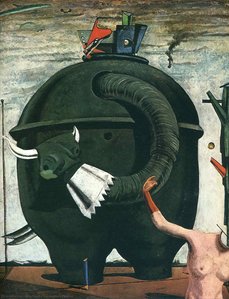
Max Ernst’s “The Postman Cheval,” painted in 1932 during the height of Dadaism and Surrealism, isn't merely a depiction of a postal worker; it’s an audacious manifesto against rationality and a profound meditation on human aspiration. Created amidst the anxieties of pre-war Europe – grappling with fascism, economic instability, and simmering discontent – Ernst’s artwork embodies the spirit of rebellion that characterized these artistic movements.
The painting itself presents a bizarre tableau: Cheval, the postman, ascends a monumental staircase constructed from driftwood, seemingly determined to deliver mail to the moon. Surrounding him are fantastical creatures – a giraffe, a rhinoceros, and a snail – each contributing to the dreamlike atmosphere. These animals aren’t simply decorative; they represent primal instincts and desires, symbolizing humanity's yearning for transcendence.
Ernst deliberately utilized symbolism to convey complex psychological ideas. The staircase embodies ambition and perseverance, yet its unstable construction underscores the futility of striving towards unattainable goals. Cheval’s unwavering gaze directs upwards, signifying a refusal to accept limitations imposed by earthly realities.
The inclusion of animals – particularly the giraffe and rhinoceros – speaks to Freud's theories on unconscious desires and primal instincts. They represent forces beyond conscious control, mirroring the irrational impulses that drive human behavior. The snail symbolizes slow progress and perseverance despite obstacles—a poignant reminder that even seemingly insignificant efforts can contribute to a larger purpose.
“The Postman Cheval” emerged from Dadaism, born in Zurich during World War I as a reaction against the horrors of conflict and the perceived hypocrisy of bourgeois society. Dadaists rejected artistic conventions altogether, advocating for absurdity and spontaneity as tools for dismantling established ideologies.
Ernst’s artwork embodies this Dadaist ethos by deliberately undermining expectations and challenging viewers to confront uncomfortable truths about human nature. It serves as a powerful indictment of societal values that prioritize order over creativity and reason over imagination—values Ernst believed were ultimately destructive.
Ultimately, “The Postman Cheval” evokes a sense of melancholy wonder. Its unsettling imagery compels contemplation about the nature of ambition, desire, and the human condition. The painting’s dreamlike quality invites viewers to immerse themselves in a realm beyond logic, prompting them to consider what it truly means to strive for something greater than oneself.

1891 - 1976 , ドイツ
マックス・エルンストの傑作25選。シュルレアリスムを代表する画家、その夢と無意識の世界を描いた絵画や版画を紐解きます。リビングやオフィスに飾るモダンアート、インテリアに最適な作品を見つけませんか?Most-Famous-Paintings.comで全コレクションをオンラインで探す。
ルネ・マグリット傑作25選。シュルレアリスムを代表するベルギー絵画の巨匠、その幻想的な世界と隠されたメッセージを紐解きます。Most-Famous-Paintingsで高品質なアートプリントや複製画を見つけ、お部屋に名画の感動を。今すぐコレクションをご覧ください。

夢と現実が交差する、シュルレアリスムの10大傑作の世界へ。ダリ、マグリットなど巨匠たちの作品を深く探求し、アートの新たな次元を発見してください。Most-Famous-Paintings.comで、至高の芸術をあなたの空間に取り入れましょう。

Journey into the dreamlike world of Surrealism! Explore 10 masterpieces by Dali, Magritte & Miró that redefined art. Discover their stories & find museum-quality reproductions to elevate your home decor on Most-Famous-Paintings.com.

クロード・モネの傑作25選。印象派を代表する光の画家、モネの世界を旅しませんか?睡蓮や風景画など、名画の背景にある物語と芸術技法をご紹介。Most-Famous-Paintingsで高品質な複製画とインテリアアートを見つけましょう。全コレクションはこちら。


最新の美術ニュース、限定オファー、そしてインテリアのアイデアをいち早くお届けします。
お客様のプロジェクトについてお聞かせください。当社の美術専門家が、お客様に合わせた3つのパーソナライズされた芸術提案をご提供いたします。
あなたにぴったりの3作品を無料で厳選いたします


 Preview
 シェアする
シェアする シェアする
シェアする
 詳細を見る
詳細を見る

 ダウンロード
 似ている作品
 X線調査
X線調査 スライドショー

 詳細を見る
詳細を見る









 ガラスオプションは、110cm未満のサイズでのみご利用いただけます。