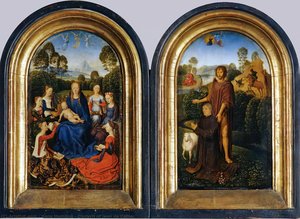
x

 Acrylic On CanvasWallArtEarly Netherlandish Painting
 58.0 x 28.0 cm
 Szépművészeti Múzeum
当社のアーティストが、お客様のご希望のサイズと額縁に合わせて、キャンバスに手描きで制作する油彩画です。 ( Switch to Print Switch to Image)





























作品のオリジナル比率に合わせた、当店の規定サイズからお選びください。

特定のフレームやスペースに合わせて、ご希望のサイズをご入力いただけます。選択されたサイズが元の画像の比率と異なる場合、アートワークをトリミングするか、手描きで要素を追加して絵画を拡張いたします。デジタルモックアップ を制作し、制作開始前にご確認(承認)をいただきます。
画面上のプレビューは、実際のトリミングや拡張を正確に反映しているものではありません。最終的な構図は、モックアップによってのみ正確にご確認いただけます。
カスタムサイズもご利用いただけますが、元の比率を維持するためには、あらかじめ用意されたリストからサイズを選択することをお勧めいたします。

Resurrection
複製画のサイズ
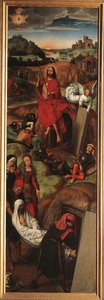
Hans Memling’s “Resurrection,” rendered in exquisite detail on a canvas measuring 58 x 28 cm, is more than just a depiction of a pivotal biblical event; it's a profound meditation on faith, hope, and the triumph over death. Created during the height of his career in Bruges around the late 15th century – though the precise dating remains elusive – this panel from the Triptych of the Resurrection stands as a testament to Memling’s mastery of Early Netherlandish painting and his deep understanding of religious iconography.
The scene unfolds with breathtaking realism. At its heart, we witness Jesus Christ being lifted vertically into the heavens by a multitude of angels, their wings spread wide in an act of divine assistance. The physicality of the resurrection is powerfully conveyed: Jesus’s body, rendered with meticulous attention to musculature and drapery, strains against the earthly bonds that have held him captive. Below, figures representing the mourning disciples – some weeping, others gazing upwards in stunned disbelief – are caught in the immediate aftermath of this miraculous event. The composition isn't merely a record of an occurrence; it’s a dynamic tableau brimming with emotional intensity.
Memling’s technique is characterized by its painstaking realism, a hallmark of the Early Netherlandish style. He employed oil paints to achieve unparalleled luminosity and depth, layering translucent glazes to create an almost ethereal quality. Notice the subtle variations in color – the warm hues of Jesus's flesh contrasting with the cool blues and purples of the angels’ robes – and the meticulous rendering of textures: the folds of the drapery, the rough surfaces of the stone, the delicate feathers of the birds circling above. The artist’s use of perspective is remarkably sophisticated for its time, creating a convincing sense of space and volume.
Crucially, Memling's work demonstrates his deep understanding of symbolism. The presence of swords, notably one held by John the Evangelist, alludes to the sacrifice Jesus made on the cross – a reminder that this resurrection is inextricably linked to his death. The birds soaring upwards represent the soul’s ascent to God. Even the placement of the cross in the upper left corner serves as a visual anchor, grounding the scene within the broader narrative of salvation. The inclusion of various figures and objects—a testament to the universality of faith—further enriches the work's symbolic weight.
Hans Memling’s rise to prominence in Bruges is inextricably linked to his apprenticeship under Rogier van der Weyden, a master whose influence can be seen throughout Memling’s oeuvre. However, Memling quickly developed his own distinctive style, characterized by an unparalleled attention to detail and a profound sense of spirituality. He operated a prolific workshop, disseminating his artistic vision across Europe and leaving behind a legacy of stunning religious paintings.
The Triptych of the Resurrection, in which this panel forms part, is considered one of Memling’s most significant achievements. It exemplifies the artistic trends of the late 15th century – a period marked by increasing interest in realism, naturalism, and the depiction of religious subjects with unprecedented emotional depth. Memling's work continues to resonate today, not only for its technical brilliance but also for its enduring message of hope and redemption. Reproductions offer a remarkable opportunity to experience this masterpiece’s power and beauty firsthand.
“Resurrection” transcends mere historical documentation; it is an invitation to contemplate the profound mysteries of faith. The scene evokes a powerful sense of awe and wonder, capturing the transformative moment when death is overcome by divine grace. The figures’ expressions – ranging from grief to ecstatic joy – reflect the complex range of human emotions associated with this pivotal event.
Whether adorning a private chapel or gracing a corporate space, this artwork's ability to inspire contemplation and evoke feelings of hope makes it a timeless addition to any collection. The meticulous detail and luminous colors create an immersive experience, drawing the viewer into the heart of the narrative and reminding us of the enduring power of faith.

ドイツ

メトロポリタン美術館の至宝25選。モネ、ゴッホ、レンブラント…名画に秘められた物語と技法を紐解きます。印象派からルネサンスまで、時代を超えて輝く芸術作品をウォールアートで暮らしに取り入れませんか?Most-Famous-Paintings.comで全コレクションをご覧ください。
ミュンヘン・アルテ・ピナコテークの至宝25選。ドゥーラー、ラファエロ、レンブラントの名画を紐解き、ルネサンス美術とバロック美術の輝きをご堪能ください。Most-Famous-Paintingsで高品質なアートプリントや複製画を見つけ、お部屋に芸術の彩りを。今すぐコレクションをご覧ください。
ワシントン美術館の至宝25選。セザンヌ、マティス、ピカソ…名画に秘められた物語と色彩を紐解きます。Most-Famous-Paintingsで高品質な絵画複製やインテリアアートを見つけ、お部屋に芸術の輝きを。今すぐコレクションをご覧ください!
ジェームズ・マクニール・ホイストラーの至高の25選。ノクターン、印象派、美しい色彩に満ちた作品群を紐解きます。Most-Famous-Paintingsで高品質なアートプリントとインテリアをお楽しみください。名画の世界へ – Most-Famous-Paintings.com
アンリ・マティスの傑作25選🎨 色彩と情熱が織りなす世界を旅する。フォーヴィスム代表の巨匠、マティスの絵画の魅力と歴史を紐解きます。Most-Famous-Paintingsで高品質なアートプリントや複製画を見つけ、インテリアに芸術的な輝きを✨ Explore the full collection online


最新の美術ニュース、限定オファー、そしてインテリアのアイデアをいち早くお届けします。
お客様のプロジェクトについてお聞かせください。当社の美術専門家が、お客様に合わせた3つのパーソナライズされた芸術提案をご提供いたします。
あなたにぴったりの3作品を無料で厳選いたします


 Preview
 シェアする
シェアする シェアする
シェアする
 詳細を見る
詳細を見る

 ダウンロード
 似ている作品
 X線調査
X線調査 スライドショー
 詳細を見る
詳細を見る









 ガラスオプションは、110cm未満のサイズでのみご利用いただけます。


![The Passion [detail] — ハンス・ホルバイン, Northern Renaissance](/media/artworks/images/thumbnails/05/7f/057f8051c622487fae8ae052bf714363.jpg)