x
迅速な制作と多彩な仕上げオプションを備えた、ミュージアムクオリティのジークレーまたはキャンバスプリント。 ( 手描きの絵画を購入 画像を購入)





























作品のオリジナル比率に合わせた、当店の規定サイズからお選びください。

特定のフレームやスペースに合わせて、ご自身でサイズを指定することも可能です。選択されたサイズが元の画像の比率と一致しない場合、作品をトリミングするか、鏡面反射または単色での塗りつぶしによって画像を拡張いたします。制作を開始する前に、ご確認用のデジタルモックアップをお送りいたします。
画面上のプレビューには、実際のトリミングや拡張は反映されませんのでご注意ください。最終的な構図を正確に確認できるのは、モックアップのみとなります。
カスタムサイズも承っておりますが、元の比率を維持するためには、あらかじめ用意されたリストからサイズを選択することをお勧めいたします。

mad boy
複製画のサイズ
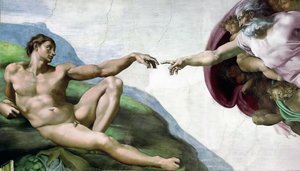
Michelangelo Buonarroti's "Mad Boy," a digital reproduction of his seminal fresco, "The Cumaean Sibyl," is more than just a beautiful image; it’s a window into the heart of the High Renaissance. Painted between 1506 and 1508 for the Villa Farnesina in Rome, this work embodies the era's profound fascination with classical antiquity, humanism, and the divine—all filtered through Michelangelo’s unparalleled artistic vision. The original fresco depicts the Sibyl, a legendary prophetess of ancient Greece, seated at a table, intently studying a scroll while a young boy gazes upon her with rapt attention. This seemingly simple composition is laden with symbolic weight, inviting viewers to contemplate themes of prophecy, knowledge, and the relationship between generations.
Technically, Michelangelo masterfully employed *sfumato*, a technique perfected during his apprenticeship under Leonardo da Vinci, to create an atmosphere of hazy beauty and depth. The figures are rendered with meticulous anatomical detail—a hallmark of Renaissance art—yet softened by subtle gradations of tone that lend them an almost ethereal quality. Note the careful modeling of the Sibyl’s drapery, which cascades around her in graceful folds, and the boy's youthful energy captured through dynamic posture and expressive eyes. The dark background serves to heighten the contrast between the figures and draw the viewer’s attention to their interaction, creating a powerful focal point within the composition.
The central figure, the Cumaean Sibyl, is not merely a portrait but a potent symbol. In Greek mythology, Sibylla was a priestess who possessed the gift of prophecy and delivered oracles to kings and heroes. Michelangelo’s depiction aligns with this traditional understanding, portraying her as an embodiment of divine inspiration—a conduit between the earthly realm and the realms of knowledge and foresight. Her contemplative gaze suggests a deep connection to something beyond the visible world, while her gesture of examining the scroll represents the pursuit of wisdom and understanding.
The young boy beside her is equally significant. He embodies innocence, curiosity, and the potential for future generations to inherit the wisdom of the past. His attentive posture reflects his eagerness to learn from the Sibyl’s experience, highlighting the cyclical nature of knowledge—the passing down of traditions and insights across time. The juxtaposition of these two figures creates a dynamic tension between the established wisdom of the elder and the burgeoning intellect of youth.
“The Cumaean Sibyl” emerged during a period of immense artistic and intellectual ferment in Renaissance Italy. Michelangelo, deeply influenced by the rediscovery of classical Greek and Roman art and philosophy, sought to synthesize these influences with his own unique vision. The fresco’s composition echoes elements found in ancient Roman wall paintings, particularly those depicting mythological scenes. However, Michelangelo elevates these motifs through a heightened sense of realism, psychological depth, and dramatic intensity.
Furthermore, the work reflects the humanist ideals that characterized the Renaissance—a renewed emphasis on human potential, reason, and individual achievement. The Sibyl’s intellectual pursuits align with the humanist belief in the importance of education and the pursuit of knowledge. The fresco served as a commission for a wealthy Roman banker, Francesco del Monte, who was himself an ardent patron of the arts and a scholar deeply interested in classical learning.
Despite its historical context, “Mad Boy” continues to resonate with viewers today. The image evokes a sense of quiet contemplation, inviting us to reflect on our own pursuit of knowledge and understanding. The Sibyl’s intense gaze captures the timeless quality of wisdom—a desire for insight that transcends generations. The boy's curiosity mirrors our own innate thirst for discovery, reminding us of the importance of nurturing young minds and fostering a love of learning.
As a digital reproduction, this artwork retains a subtle, almost dreamlike quality, reminiscent of the original fresco’s *sfumato* technique. It offers a compelling opportunity to experience Michelangelo's genius in a new light—a testament to his enduring legacy as one of history’s greatest artists.

1475 - 1564 , イタリア
Explore the profound history and technical mastery of fresco painting. From ancient Roman murals to Michelangelo's Sistine Chapel, discover the enduring chemistry and artistry behind this timeless wall painting technique used by the world's greatest masters.

Explore the profound genius of the Renaissance Trinity. Delve into a comparative study of Leonardo da Vinci, Michelangelo, and Raphael, uncovering their unique contributions to art history, technique, and the enduring legacy of Italian High Renaissance mastery.


最新の美術ニュース、限定オファー、そしてインテリアのアイデアをいち早くお届けします。
お客様のプロジェクトについてお聞かせください。当社の美術専門家が、お客様に合わせた3つのパーソナライズされた芸術提案をご提供いたします。
あなたにぴったりの3作品を無料で厳選いたします


 プレビュー
プレビュー
 シェアする
シェアする シェアする
シェアする
 詳細を見る
詳細を見る

 ダウンロード
 似ている作品
 X線調査
X線調査 スライドショー

 詳細を見る
詳細を見る









 ガラスオプションは、110cm未満のサイズでのみご利用いただけます。